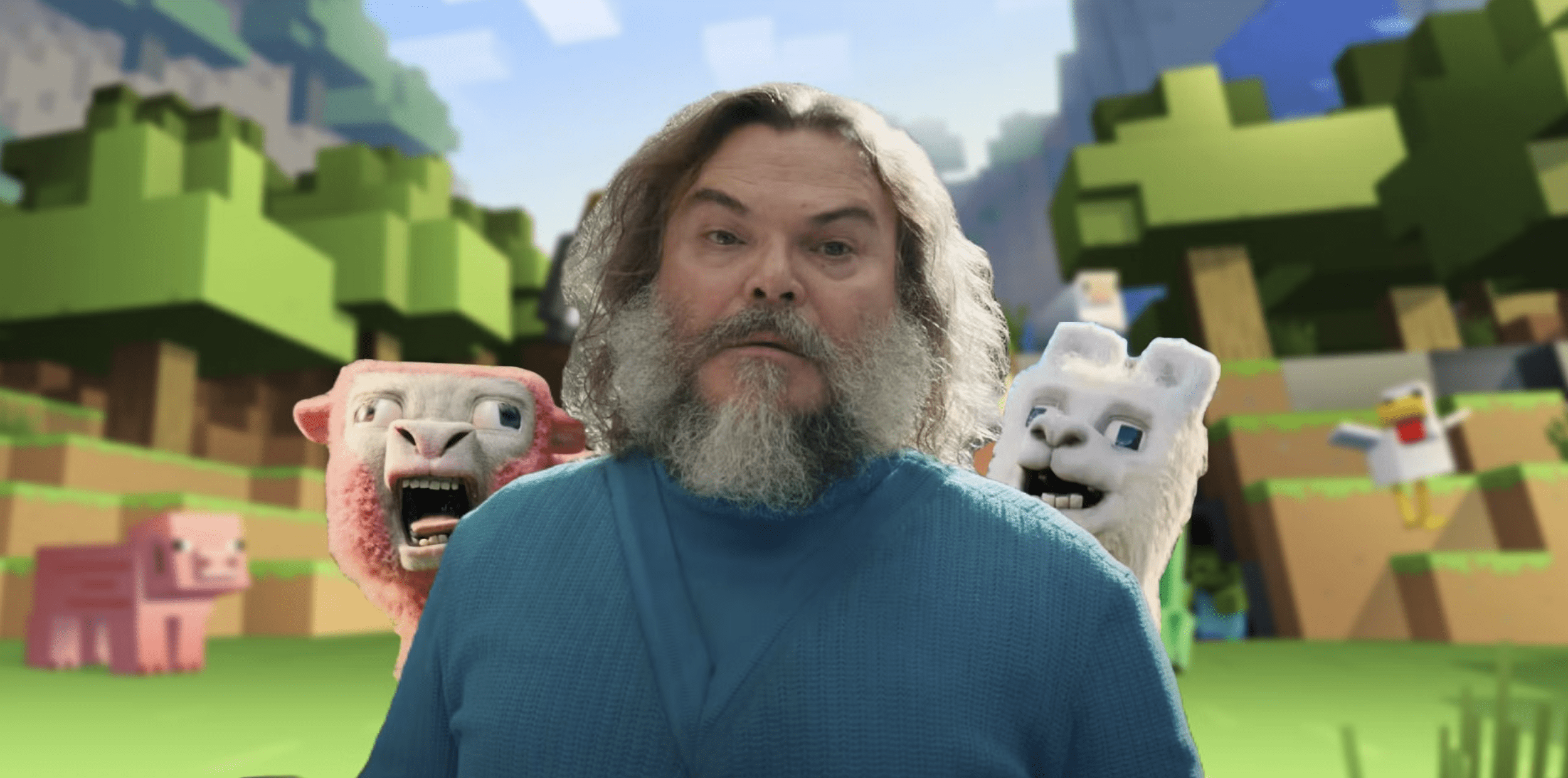
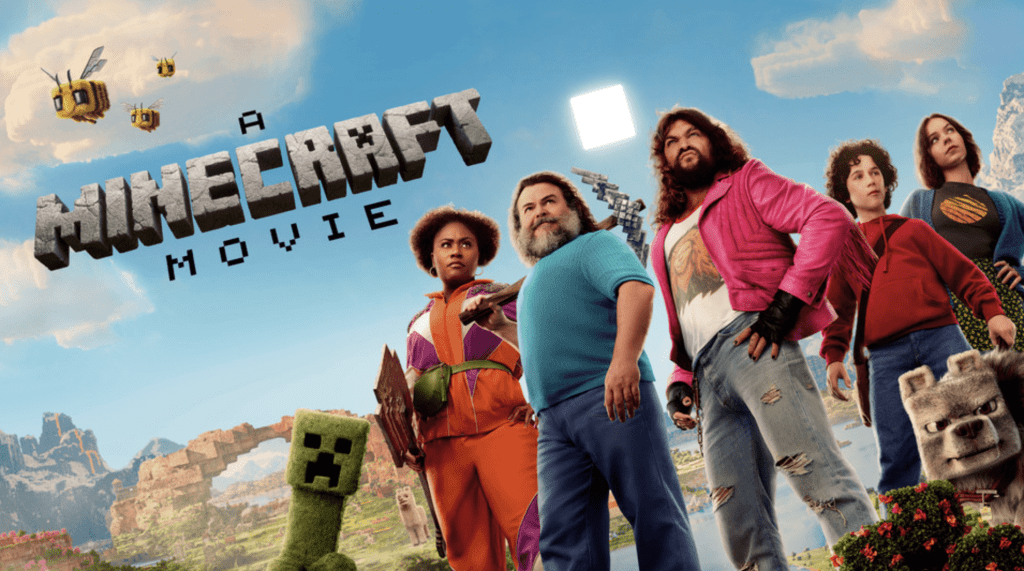
In a box office landscape that has struggled to consistently attract younger viewers, “A Minecraft Movie” has emerged as a remarkable success story, shattering expectations with a staggering $313 million global opening weekend. The film, which stars Jack Black and Jason Momoa, has not only broken the financial drought at theaters but has revealed a potential blueprint for capturing the elusive younger demographic that Hollywood has been desperate to reach.
The Numbers Don’t Lie
Demographic breakdowns tell a compelling story about who exactly is showing up for this video game adaptation. Worldwide, a substantial 64% of the audience consisted of viewers under 25 years old, with the remaining 36% being older audiences. In the domestic U.S. market, the youth dominance was even more pronounced, with an overwhelming 78% of viewers under 25 compared to just 22% over that age.
These figures stand in stark contrast to most family films, even those from animation powerhouses like Disney and Dreamworks, which typically draw a more balanced demographic spread across age groups.
Theaters Transformed into “Pure Chaos”
Perhaps most telling about the film’s connection with younger audiences are reports describing theaters showing “A Minecraft Movie” as scenes of “pure chaos.” Middle-schoolers have been observed cheering wildly, clapping enthusiastically, and even jumping on seats during screenings. This level of engagement goes beyond passive viewership, transforming the movie into a communal event.

Social media has been flooded with viral videos showing these enthusiastic responses, with younger viewers reacting excitedly to references from the game that might go unnoticed by older audiences. The shared understanding of in-game elements like “flint and steel” has created a sense of cultural ownership among fans.
A Cultural Phenomenon, Not Just Nostalgia
Unlike many successful franchises that rely on parental nostalgia to drive family viewership, “A Minecraft Movie” connects directly with Gen Z and Gen Alpha through their own lived experiences. For many of these younger viewers, Minecraft isn’t just a game—it’s been a creative platform and social space throughout their formative years.
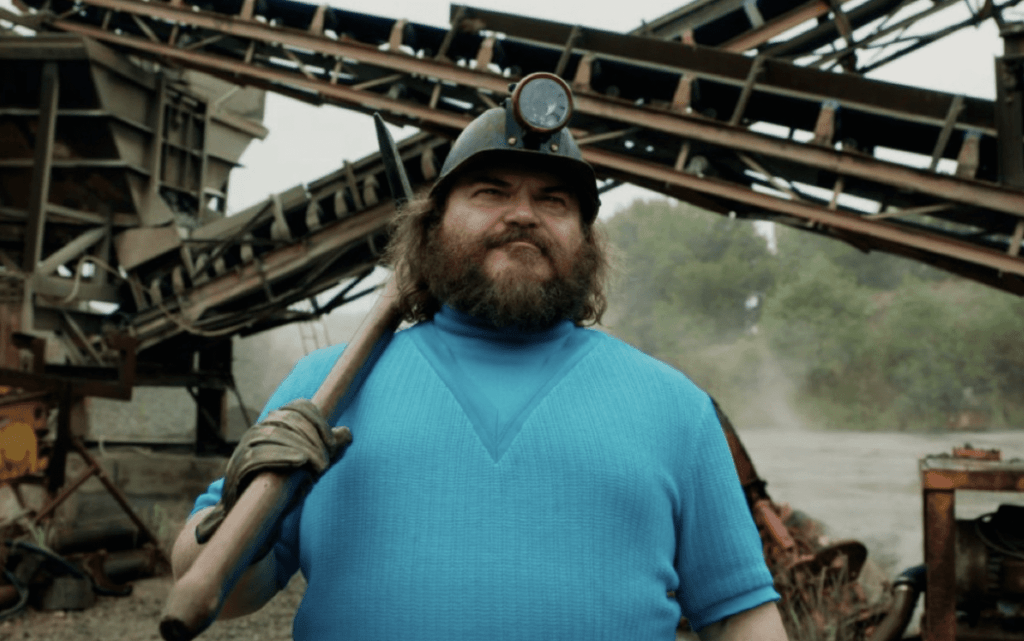
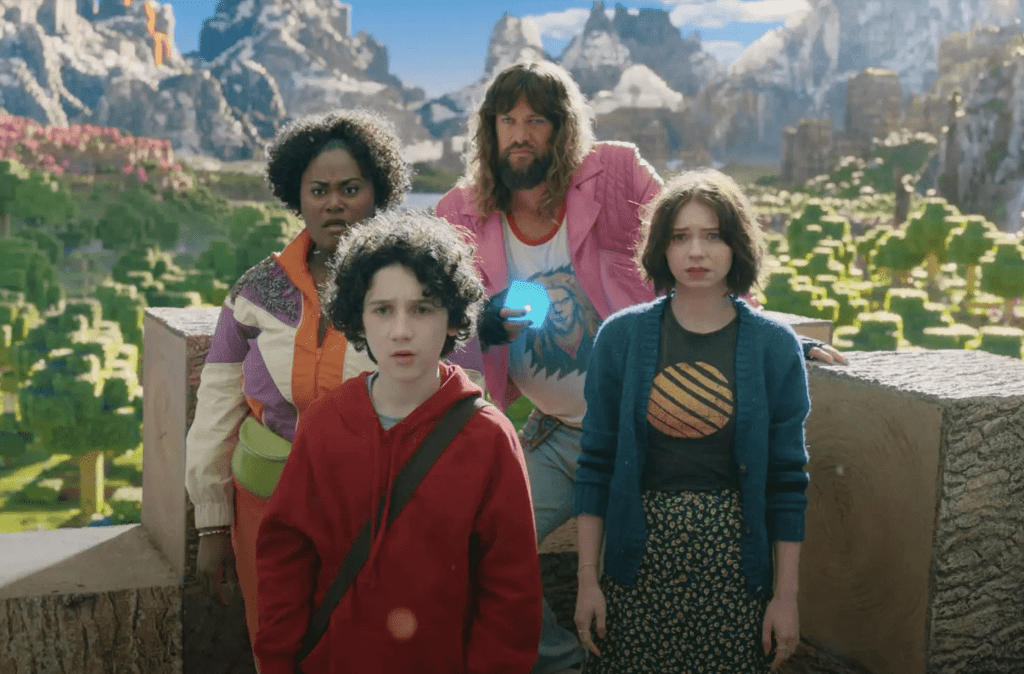
The film follows a now-familiar Hollywood formula, telling the story of misfits who find themselves in a strange land and discover the power of family. However, by weaving this narrative through the visual language and cultural touchstones of Minecraft, it speaks directly to an audience that has spent countless hours in the blocky digital world.
Part of a Growing Trend
“A Minecraft Movie” isn’t operating in isolation. Its success follows similar phenomena like “Five Nights at Freddy’s” and “Taylor Swift: The Eras Tour,” both of which generated tremendous excitement among younger audiences by tapping into their specific cultural interests.
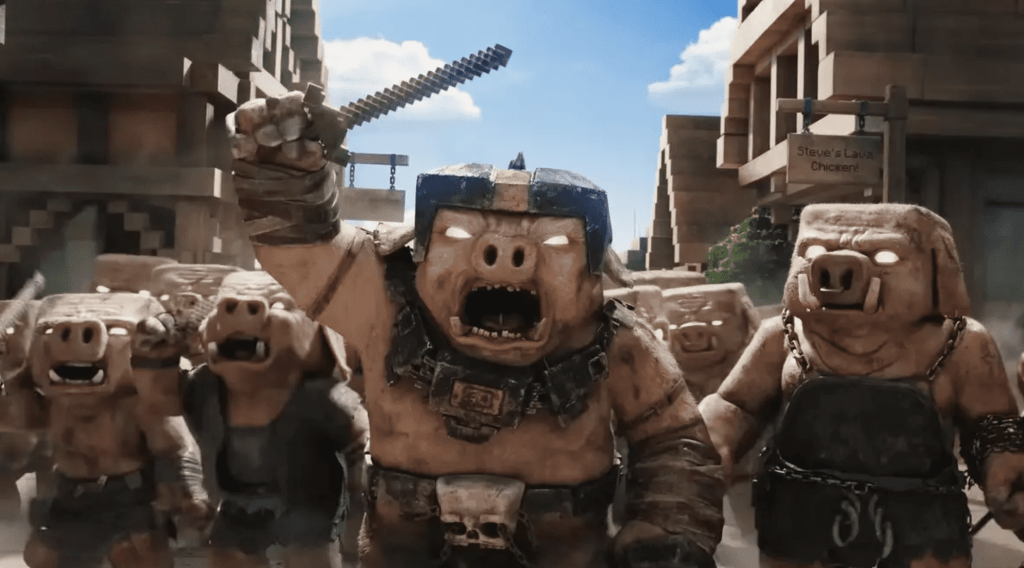
The film’s $150 million production budget, backed by Warner Bros. (75%) and Legendary (25%), represents a significant investment in the power of gaming IP. The gamble has paid off, with the movie on track to potentially join the billion-dollar club if its momentum continues through Easter.
Hollywood Takes Notice
With these results, studio executives across Hollywood are undoubtedly taking notes. After years of struggling to find reliable ways to draw Gen Z and Gen Alpha to theaters, “A Minecraft Movie” provides a potential roadmap: respect the source material, acknowledge the cultural significance it holds for younger audiences, and create an environment that encourages communal viewing.
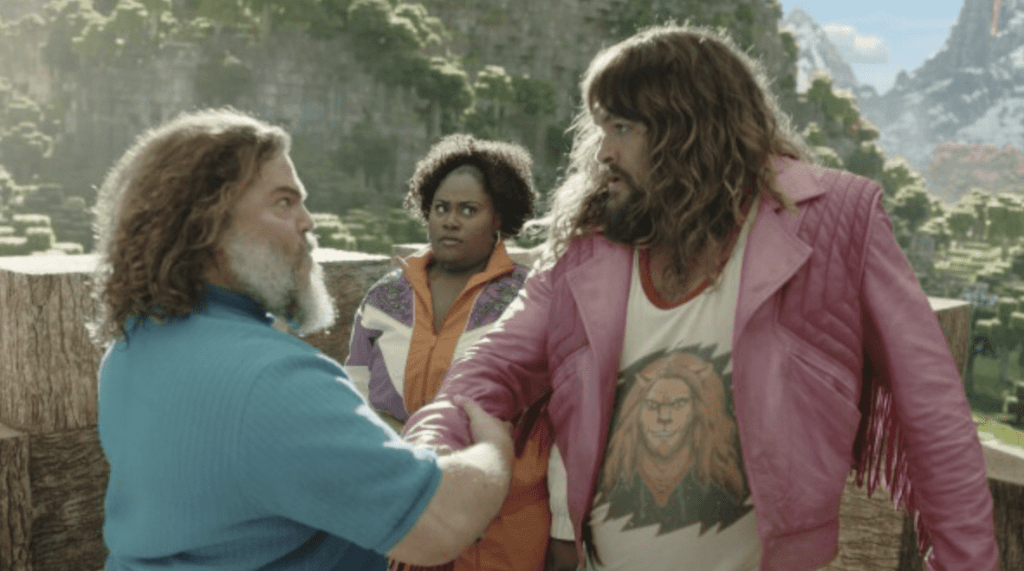
Reports that a sequel is already in development come as no surprise given the film’s performance. For Warner Bros. Pictures heads Mike De Luca and Pam Abdy, the success couldn’t have come at a better time amid rumors of potential leadership changes.
As theaters continue to search for their post-pandemic identity, “A Minecraft Movie” demonstrates that the communal theatrical experience remains powerful—especially when it speaks the cultural language of its audience.