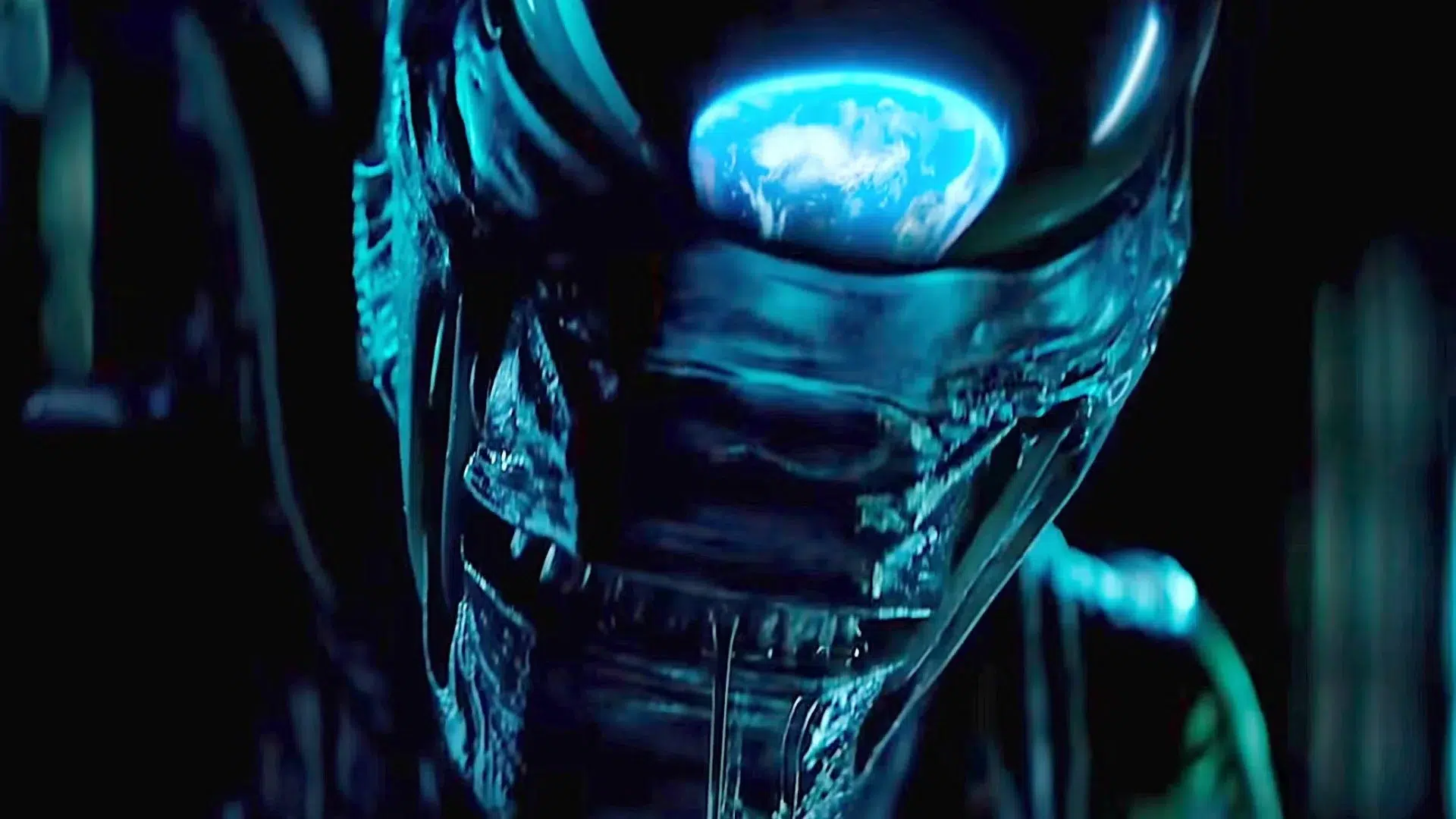
Noah Hawley has achieved the seemingly impossible: creating an “Alien” series that honors Ridley Scott’s 1979 masterpiece while forging genuinely terrifying new ground. “Alien: Earth,” premiering Tuesday, August 12 on Hulu and FX, stands as the franchise’s most successful evolution since James Cameron’s “Aliens”—and it accomplishes this by fearlessly breaking its own rules.
Confident Homage Without Pandering
When the series opens with beat-for-beat recreations of iconic “Alien” moments, it could easily feel like desperate fan service. Instead, Hawley demonstrates complete confidence in his vision. The production design, wardrobe, and languid editing style all echo the 1979 original, while Jeff Russo’s score skillfully incorporates Jerry Goldsmith’s haunting themes.
This reverent approach earns the series crucial credibility—and the freedom to ignore established canon when necessary. By proving they understand the source material’s DNA, Hawley and his team secure permission to make bold creative choices that lesser adaptations wouldn’t dare attempt.
New Creatures That Actually Terrify
The franchise introduces genuinely frightening new alien species that complement rather than compete with H.R. Giger’s immortal Xenomorph design. While these creatures may not achieve “great” status individually, they collectively scratch that primal fear itch better than any entry since the original film.
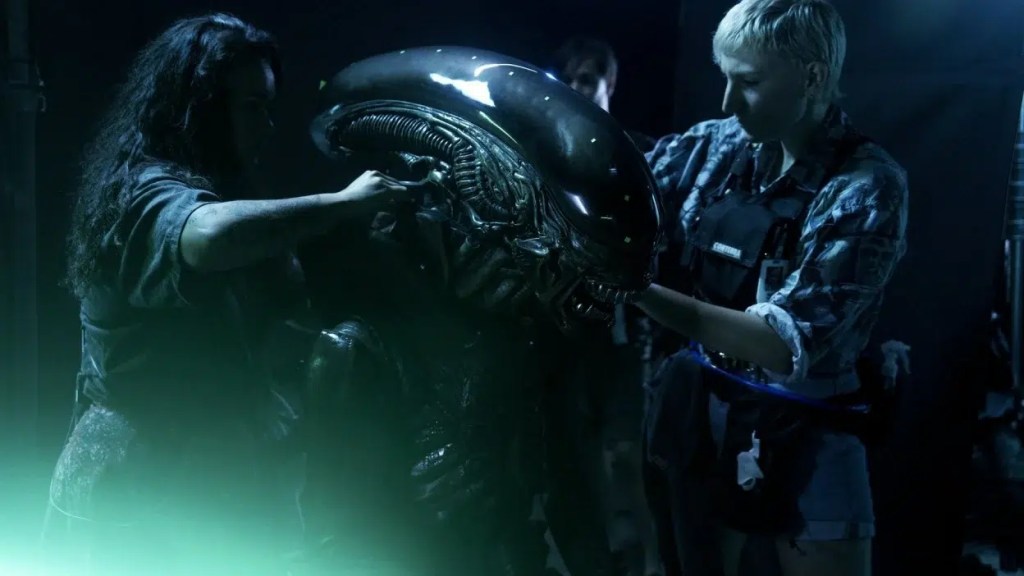
One particular creature, debuting in episode four, delivers what might be the gnarliest scene in recent memory across any medium. Without spoiling the surprise, this being could become the franchise’s terrifying answer to Baby Yoda—if Grogu had acid for blood and homicidal tendencies.
The Hybrid Concept: Brilliant and Disturbing
“Alien: Earth’s” smartest innovation involves the Hybrid—terminally ill children whose consciousness gets transferred into synthetic bodies. This concept creates a haunting parallel between these exploited children and the captive Xenomorphs, both organisms moved to foreign host bodies for corporate study.
The moral implications receive thorough exploration as a central season arc. There’s a moment where this thread pulls so hard it nearly unravels the entire narrative, but impeccable groundwork and pacing prevent complete collapse. This connection between human children and alien lifecycle represents the natural evolution of themes Scott has explored since ditching space truckers for god-seeking billionaires.
Exceptional Cast Anchors Ambitious Concept
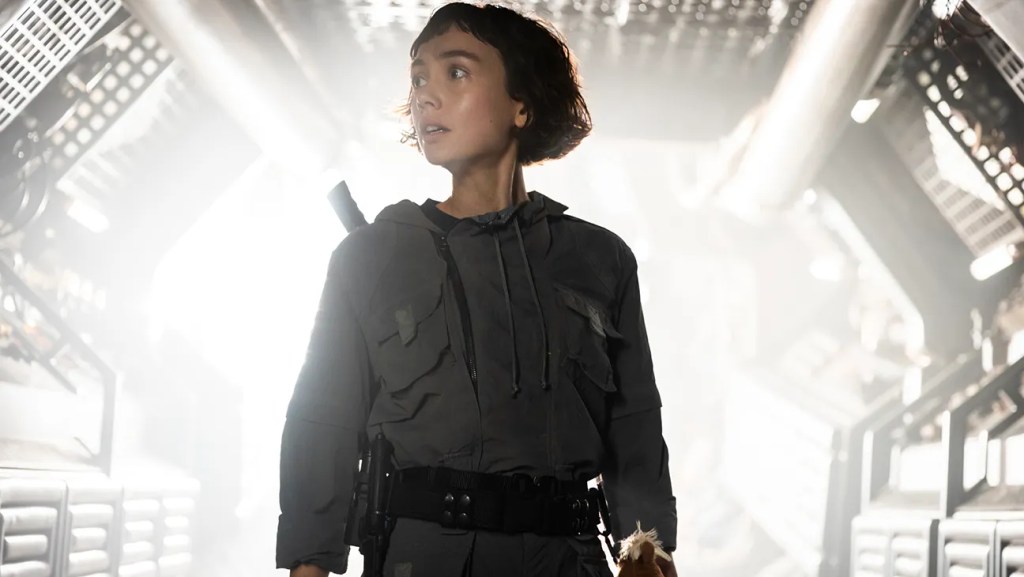
Sydney Chandler delivers the season’s standout performance as Wendy, the first Hybrid. Every close-up reveals her processing countless thoughts at superhuman speed while maintaining the bright, brave eyes of the little girl trapped inside a synthetic shell. Her journey becomes essential to the series’ success—if you don’t buy into Chandler’s performance, the entire conceptual framework crumbles.
Timothy Olyphant perfectly embodies synthetic Kirsh with his signature “less-is-more” approach. His Roy Batty-inspired look and performance channeling Natasha McElhone from Soderbergh’s “Solaris” creates a fascinating character cocktail. Clearly relishing the role, Olyphant brings wisdom, knowledge, and subtle menace to his synthetic subroutines.
The supporting ensemble, featuring mostly new faces alongside reliable veterans, maintains consistently high quality. Samuel Blenkin makes megacorporation head Boy Kavelier infinitely despicable, while Babou Ceesay’s Morrow walks the perfect line between villainous company loyalty and tragic self-awareness as a Weyland-Yutani security cyborg.
Technical Excellence and Killer Vibes
“Alien: Earth” succeeds through exceptional technical craft that enhances rather than overshadows the storytelling. The slow cross-dissolves, double-exposure transitions, and eerie title sequences create an unsettling atmosphere that burrows under your skin.
Small details elevate the experience—radio conversations sound like voices in the room rather than filtered transmissions, adding intimate unease to distant communications. The nonverbal communication between humans, synthetics, and creatures reaches genuinely unnerving levels.
Hawley’s decision to end each episode with thunderous hard rock tracks initially seems incongruous but ultimately reinforces the series’ rebellious confidence. These aren’t narrative necessities or emotional bridges—they’re bold declarations that this show embraces its own audacious spirit.
Minor Pacing Issues Don’t Diminish Success
The final episodes feel slightly rushed, delivering a less satisfying conclusion than the buildup deserves. However, this represents a minor stumble in an otherwise exceptional season that successfully expands the “Alien” universe while respecting its foundations.
Final Verdict
In an era dominated by familiar intellectual property, “Alien: Earth” demonstrates how legacy franchises can honor their origins while pioneering bold new directions. Like “Andor” earlier this year, it matches late-70s cinematic aesthetics with expanded worldbuilding that recontextualizes everything we thought we knew about this universe.
Hawley has crafted remarkable science fiction through stellar production design, creature work, and an incredible cast performance foundation. While one central story element flirts dangerously with absurdity, the series never loses its footing entirely.
“Alien: Earth” simultaneously delivers the Easter eggs and Xenomorph action fans crave while shedding continuity concerns that have shackled previous entries. This is franchise horror done right—confident, innovative, and absolutely terrifying.