Remember when slapping a cape on an actor or adding “Part 47” to a horror franchise was basically printing money? Those days are officially over, and Hollywood is finally learning what audiences have been screaming for years: we’re tired of being treated like mindless consumers who’ll devour any rehashed garbage you serve us.
The numbers don’t lie. Four consecutive Blumhouse horror films bombed spectacularly this year, while Marvel’s once-unstoppable machine is sputtering with diminishing returns. But here’s the thing — this isn’t a crisis. It’s a long-overdue reckoning.
The Arrogance of Assumption
For too long, studios operated under the insulting assumption that audiences were bottomless pits for content. Slap “Marvel” on a movie poster, throw in some CGI explosions, and watch the money roll in. Horror producers figured they could churn out jump-scare factories on assembly lines and we’d keep showing up like Pavlovian dogs.

They were wrong, and frankly, it’s about time.
As exhibitor Mike Barstow puts it perfectly: “People haven’t stopped loving horror or superhero films, but they stopped loving mediocre entries in those worlds.” Translation? We’ve grown up, Hollywood. Maybe you should too.
Quality Over Quantity: A Revolutionary Concept
Kevin Feige’s recent admission that Marvel produced “well over 100 hours of stories” since 2019 compared to just “50 hours between 2007 and 2019” isn’t just a statistic — it’s a confession. They prioritized quantity over quality and wondered why audiences started walking away from their 20-minute CGI slugfests.
Even theater owner Allen Michaan admits he and his wife sometimes leave during Marvel’s interminable action sequences because “we know how it’s going to end.” When your own exhibitors are bailing on your climaxes, you’ve lost the plot entirely.
The Survivors Show Us the Way
The films that are still succeeding — “Sinners,” the new “Superman,” “Longlegs” — aren’t winning because they’re horror films or superhero movies. They’re winning because they’re good horror films and superhero movies that bring something fresh to the table.
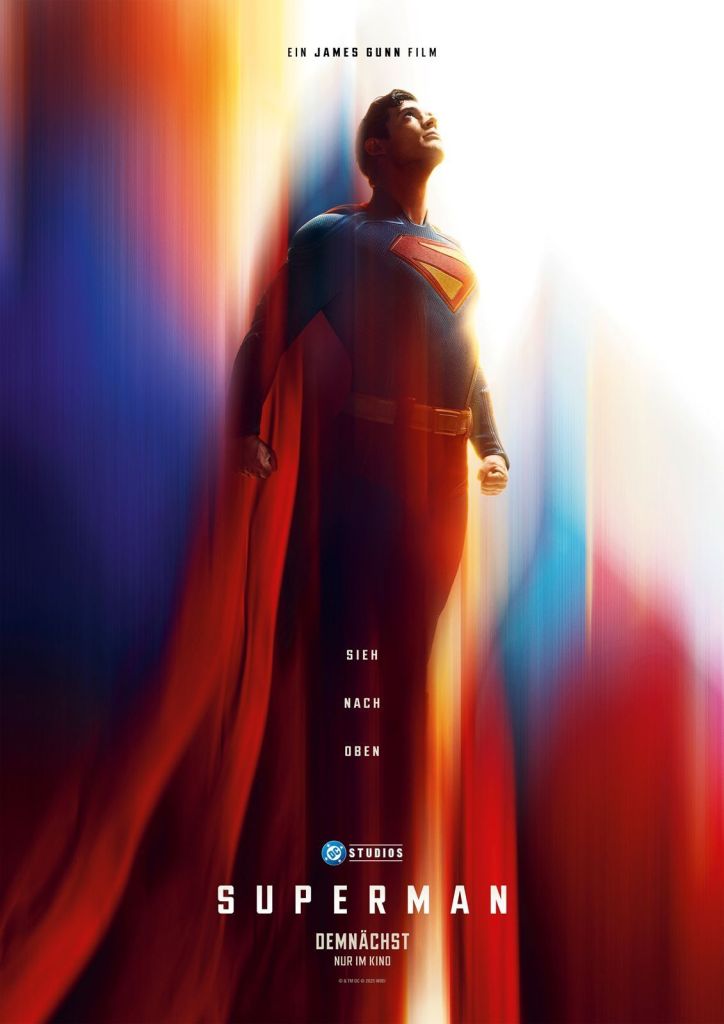
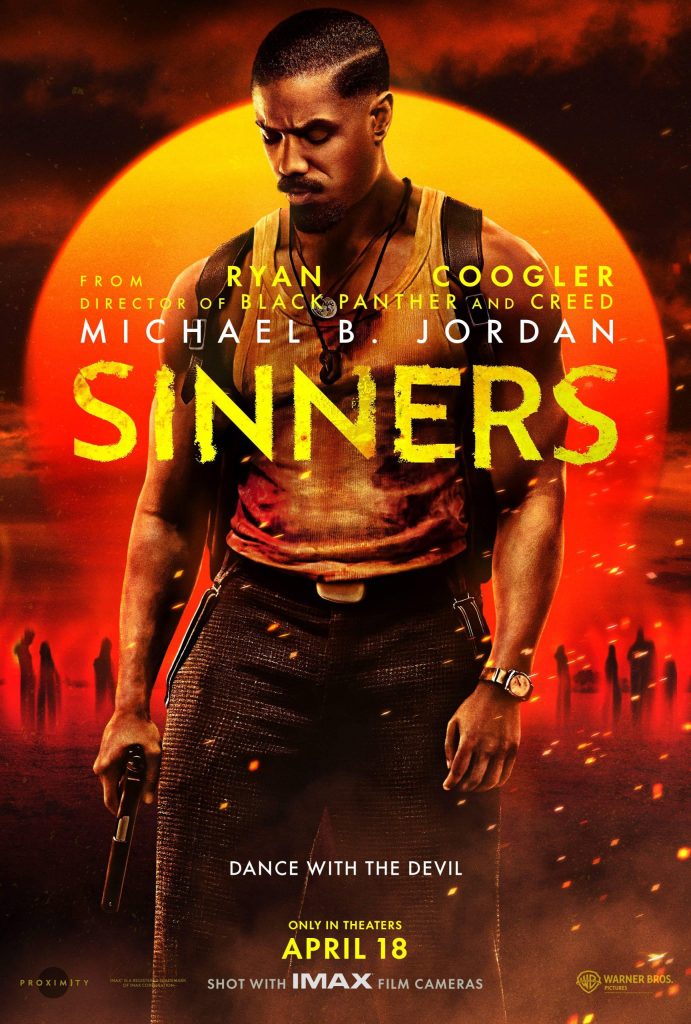
“Sinners” worked because it transcended genre expectations. The new “Superman” resonates because, as Michaan notes, the hero is “vulnerable and lost fights, which we haven’t seen before.” These films succeed by respecting their audiences enough to surprise them.
The Myth of the Guaranteed Hit
Hollywood’s greatest delusion was believing they’d cracked the code for guaranteed success. But audiences are more sophisticated than studios gave them credit for. We can smell lazy cash grabs from a mile away, and we’re not afraid to vote with our wallets.
Jason Blum’s observation that there’s “too much horror in the marketplace” misses the deeper point. It’s not that there’s too much horror — it’s that there’s too much bad horror. Quality content will always find its audience, regardless of market saturation.
A Necessary Evolution
This supposed “fatigue” isn’t a problem to be solved — it’s an evolution that was desperately needed. For too long, creativity took a backseat to formula. Original voices were drowned out by the deafening roar of franchise machinery. Artists were reduced to cogs in content farms.
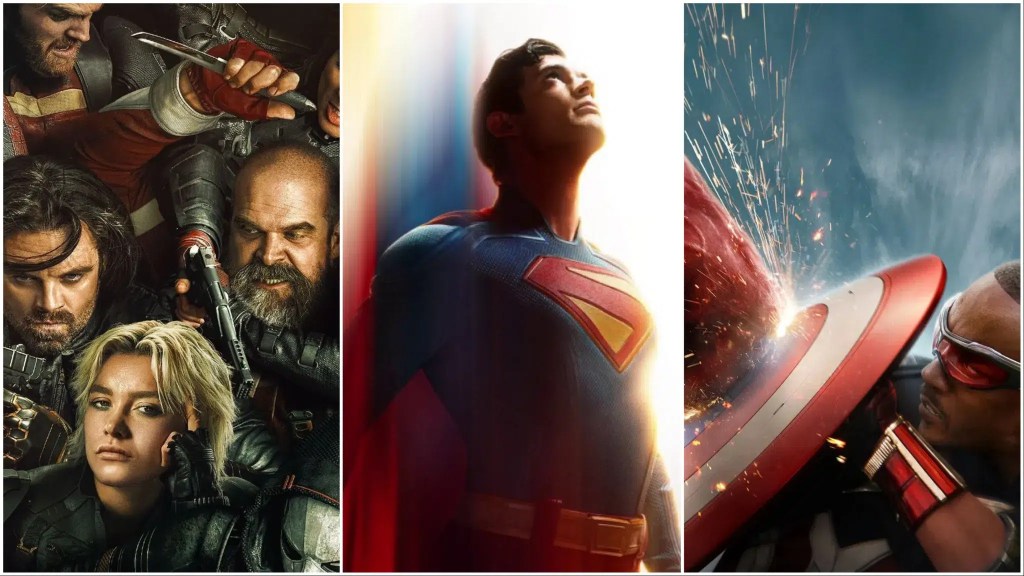
Now, with their sure-thing strategies crumbling, studios might actually have to invest in storytelling again. They might have to take risks, nurture original voices, and — revolutionary concept — make movies that audiences actually want to see rather than movies they assume audiences will tolerate.
The Road Ahead
The future belongs to films that dare to be different. Marvel’s scaling back to fewer, higher-quality releases isn’t a retreat — it’s a return to sanity. DC’s challenge isn’t just about winning back fans; it’s about proving they understand that audiences crave substance over spectacle.
The death of the guaranteed hit isn’t the end of superhero and horror films. It’s the beginning of their renaissance. When studios can no longer rely on brand recognition alone, they’ll be forced to compete on the only metric that truly matters: whether their movies are actually worth watching.
Hollywood spent years treating audiences like addicts who’d consume anything with the right logo slapped on it. Now that we’re in recovery, maybe — just maybe — they’ll start making movies worthy of our time and money again.
The age of the sure thing is dead. Long live the age of earning it.