In the wrong hands, sequels become predatory pursuits.
When studio executives witness films like Sinister or The Black Phone generate healthy box office returns, the temptation to double-dip burns with volcanic intensity. Dollar signs threaten to eclipse creative ambition. But in the right hands, a sequel expands horizons and unlocks unexpected storytelling potential. Director Scott Derrickson and co-writer C. Robert Cargill refuse to let Black Phone 2 devolve into another redundant Hollywood cash-grab. Through their vision, they’ve delivered the closest thing to Freddy Krueger we’ll experience until another A Nightmare on Elm Street emerges.
Uncharted Territory as Creative Advantage
The Black Phone wasn’t designed for continuation, adapted as it was from Joe Hill’s standalone short story. Derrickson and Cargill venture into uncharted territory, which becomes their secret weapon. Ethan Hawke returns as The Grabber—not as flesh and bone, but as a nightmare made manifest whose inflicted pain leaves devastatingly real scars. Yet The Grabber’s resurrection isn’t a Wes Craven imitation. These filmmakers craft an ambitious evolution proving horror sequels needn’t recycle cheap thrills. Despite borrowing Jason Voorhees’ campground setting, this is emphatically not another repetitive installment like Friday the 13th became notorious for producing.
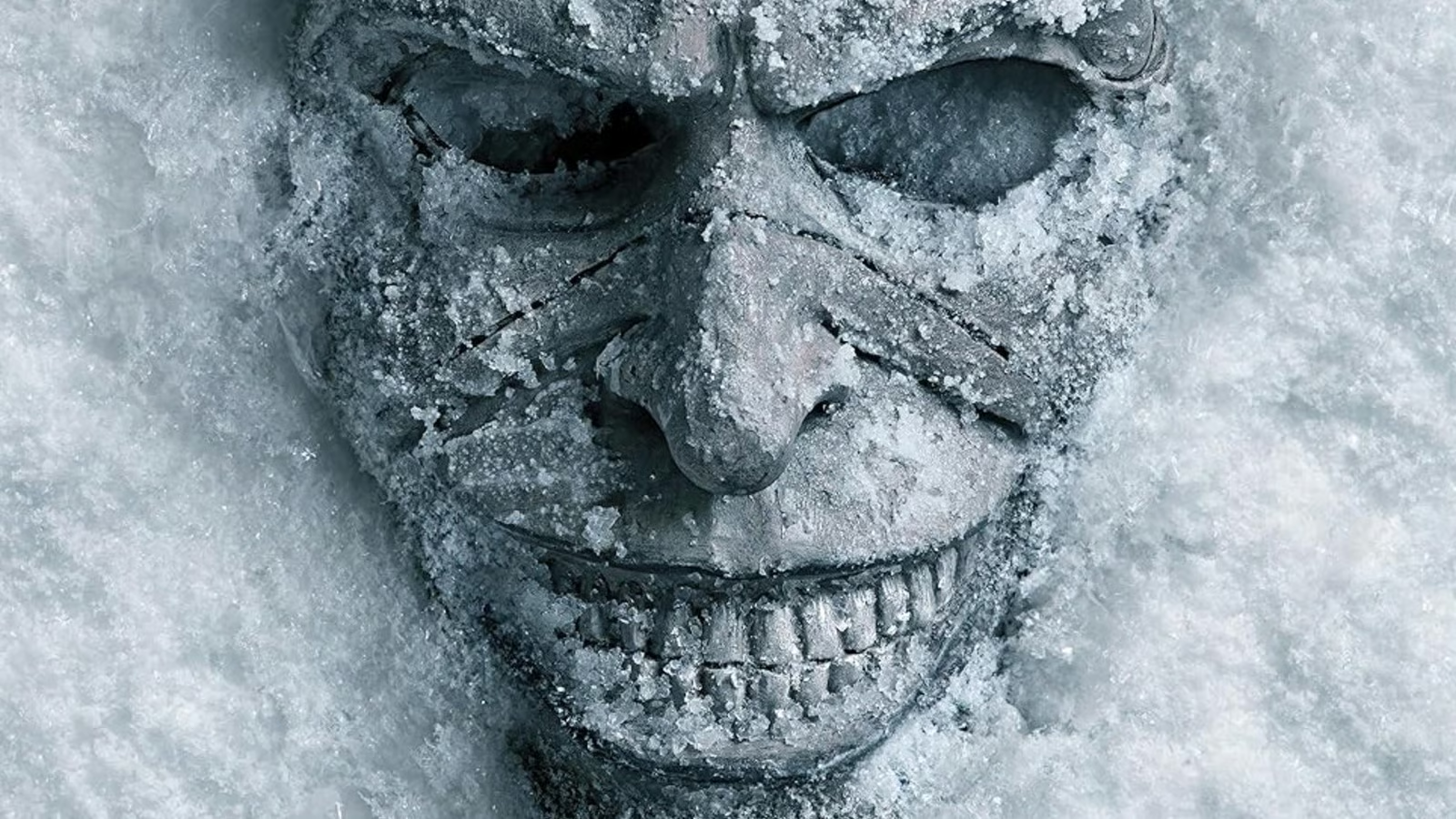
Frankly, Black Phone 2 is a punk rock horror sequel. Derrickson and Cargill cultivate fresh terrors instead of replaying greatest hits. The Grabber transforms from kidnapping predator to a devil’s reject who apparently took ice-skating lessons. Finney’s survivor’s guilt sees returning actor Mason Thames portraying him as a haunted pothead, while Madeleine McGraw—also reprising her role—steps into the spotlight as Finney’s sister Gwen, channeling lucid dreams and clairvoyant abilities. Denver’s quiet suburbs give way to blizzard conditions at Alpine Lake Catholic sleepaway camp, sending wintery, frostbitten chills down spines through The Grabber’s freezer-burned appearance. It resembles nothing from the original, nor does it crave familiarity’s comfort. The filmmakers maximize their second opportunity—this ain’t churn-and-burn continuation.
Trauma Takes Center Stage
The murderous events from The Black Phone leave Finney and Gwen justifiably traumatized, emphasizing character exploration. Finney numbs anguish with marijuana, stalked by Grabber hallucinations, while Gwen answers black phone rings, driven by her quest for answers and opportunities to help lost souls. The script ruminates on grief and unrest by examining Finney and Gwen’s psychological damage, though it occasionally meanders before The Grabber’s malevolence resurfaces at full strength. Demián Bichir’s camp supervisor addition brings biblical knowledge and faith-based perspectives into conversations about pitch-black evil, introducing theological debates. But Black Phone 2 remains Finney and Gwen’s showcase—a brother-sister ghostbusting drama tasting awfully bitter until past the halfway mark, when The Grabber’s grip transforms emotional wounds into gaping injuries and breathless terrors escalate stakes.
This isn’t suggesting Black Phone 2 only delivers value when kids become cadaver popsicles. Rather, anticipation of inevitable snowscape horrors nips at consciousness, occasionally distracting while Finney and Gwen wrestle lingering demons. Miguel Mora reprises Ernesto Arellano, honoring his brother Robin’s memory as Gwen’s sweetheart love interest. Jeremy Davies earns redemption as now-sober Terrance, supportive and loving father to Finney and Gwen. These elements prove necessary for illustrating how post-traumatic stress tears worlds apart, paired with hope that brighter days can prevail—though you’ll sense the film’s nearly two-hour runtime. Not devastatingly, but still, there’s occasional missing momentum.
Supernatural Slasher Excellence
Beyond that quibble, Black Phone 2 emerges as a rich slasher mystery transcending life and death. Hawke’s vengeful iteration of The Grabber’s deceased self radiates fire and brimstone, his flesh-rotting face—exposed without masks to maximize terrifying imagery—bearing scorched Hell scars. Derrickson deploys Super 8 camera work denoting whenever Gwen enters The Grabber’s sleep realm, where she alone confronts her villain. This clever visual distinction separates reality from dreamland, creating old-school Hollywood vibes making Gwen feel like she’s starring in her own uncanny film before violently yanking us back to reality where she’s gushing blood or being tossed like an invisible ragdoll. Derrickson ensures stakes remain dreadfully real in either universe, unleashing jaw-dropping violence.
Fresh Reinvention With Heart
For all its pondering introspection, Black Phone 2 still freshly reinvents traditional slasher conventions. Even the stereotype about horror sequels going bonkers manifests, since The Grabber performs an entire ice capades routine on magical frozen blades. The film’s cheekiness—snowmen bearing The Grabber’s smile, his maniacal taunts through conversation—overflows. Yet Black Phone 2 matters beyond dreadful revelations and hacked-apart noggins. Derrickson and Cargill navigate murky themes of self-imprisonment and meaningful recovery, ultimately conveying wholesome messages, but not before subjecting characters to grave desperation. It’s substantial material, and sorrow weighs heavily, but ultimately these filmmakers leave us uplifted while delivering all the slashery goodness we crave.
Verdict
Black Phone 2 is an effective sequel brimming with reinvigoration. Colorado’s blustery winter conditions paint pristine snow-capped backdrops for The Grabber’s origins, where he forces Finney and Gwen to confront demons from beyond the grave. It prioritizes how survivors process trauma over woodland killing sprees, but that doesn’t prevent white powder from being splattered with blood like Jackson Pollock paintings. Black Phone 2 might take time reaching top speeds, but once everything harmonizes—from The Grabber’s supernatural revenge to Gwen’s harnessed medium-esque powers—it’s more than worthy continuation. The film templates how sequels can reach further and pursue standalone appeal, valuing originality over redundancies, rewarding fans instead of manipulating their fandom dedication.