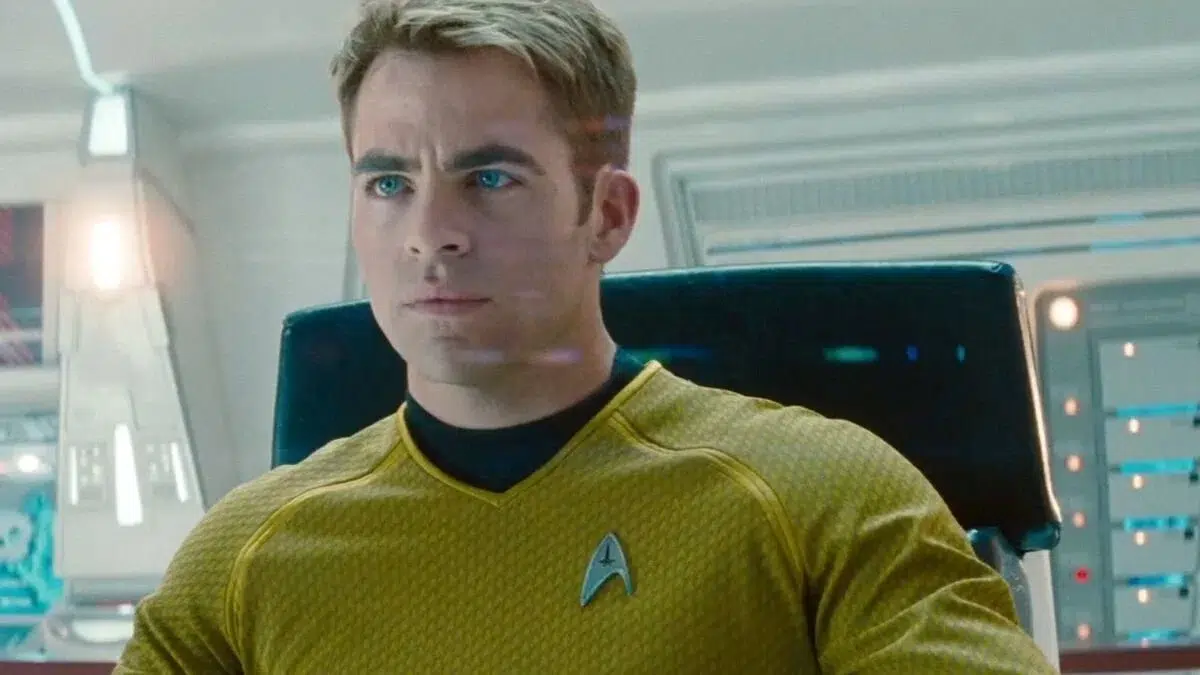
After nearly 15 years of boldly going where no reboot had gone before, Chris Pine has officially said goodbye to Captain Kirk and the USS Enterprise. The news comes as Paramount pivots the Star Trek movie franchise in an entirely new direction, leaving fans of the Kelvin timeline wondering what could have been—and what’s next for the final frontier.
Chris Pine Bids Farewell as Star Trek Changes Course
Star Trek alumnus Chris Pine has publicly bid farewell to the USS Enterprise as the movie franchise switches hands. Last November, Paramount confirmed that Dungeons & Dragons: Honor Among Thieves directors Jonathan Goldstein and John Francis Daly would helm a fresh Star Trek vision, marking a definitive end to the Kelvin timeline era. This timeline launched in 2009 with J.J. Abrams’ Star Trek reboot, which reimagined the beloved franchise with Pine as Captain James T. Kirk alongside Zachary Quinto’s Spock, Zoe Saldaña’s Uhura, and Karl Urban’s Dr. Leonard “Bones” McCoy.
The trilogy—comprising Star Trek (2009), Star Trek Into Darkness (2013), and Star Trek Beyond (2016)—brought younger audiences into the Trek universe while maintaining the philosophical heart that made Gene Roddenberry’s creation endure for decades. But after Beyond’s underwhelming box office performance, the franchise entered development hell.
Between 2017 and 2024, an impressive roster of filmmakers circled a potential Star Trek 4. Fargo’s Noah Hawley, Andor’s Toby Haynes, Madame Web’s S.J. Clarkson, The Fantastic Four: First Steps’ Matt Shakman, and even Quentin Tarantino were all attached to Star Trek Beyond sequel projects in some capacity. Yet none materialized. Paramount’s leadership changes ultimately resulted in a complete dismissal of the Kelvin timeline, closing the book on Pine’s Enterprise crew.
Pine’s Gracious Response at Sundance Film Festival
While attending the Sundance Film Festival to promote his romantic drama Carousel, Pine was asked by Variety if he had any insider knowledge about Goldstein and Daly’s upcoming Star Trek project. His response was characteristically humble and good-natured: “You probably know more than I do.”
He then offered tongue-in-cheek advice to Paramount and the incoming creative team: “Have fun, good luck, live long, and prosper.” The iconic Vulcan phrase—paired with the signature V-shaped hand salute—felt like both a blessing and a bittersweet acknowledgment that his journey with the franchise has reached its final destination.
For the 45-year-old actor, whose directorial debut Poolman recently became a streaming hit, this shift to a different frontier is likely bittersweet. Pine didn’t just play Captain Kirk; he reinvigorated the character for a new generation, balancing cocky charm with genuine emotional depth.
What Went Wrong? Pine’s Candid Thoughts on Star Trek Beyond
Following the lukewarm response to Star Trek Beyond, which earned $343 million worldwide against a $185 million budget (modest by blockbuster standards), Pine got candid at ACE Superhero Comic Con about Paramount’s approach to the franchise. His comments revealed frustration with studio priorities that seemed to miss the mark.
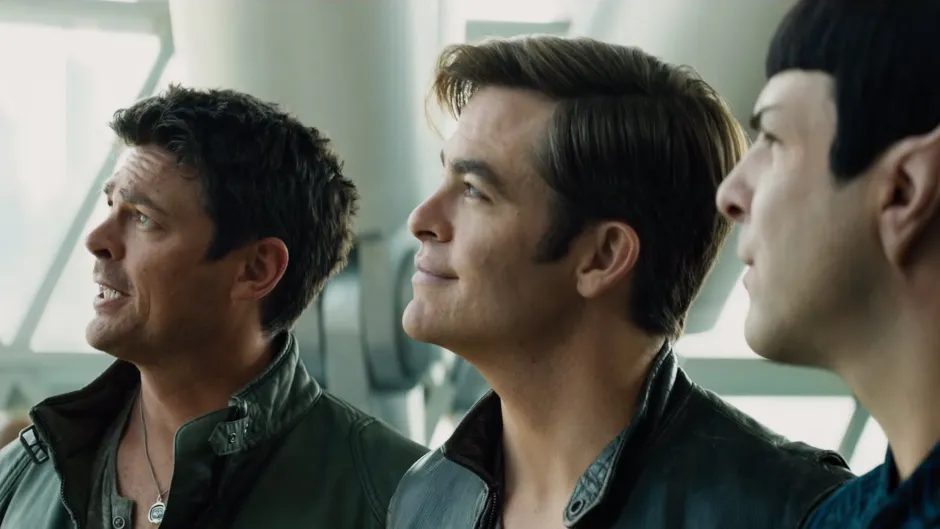
“It was always about getting the audience and building the audience,” Pine explained. “I think what we’ve found is that we’ve captured an audience with the Trek universe that may not have come to us, but generally speaking, it’s the diehards. I think we should make films that appeal to people who want to see the film. I’m sick of trying to please people who don’t want to see what we do.”
His words cut to the heart of a common Hollywood dilemma: when studios chase mass appeal, they often alienate the core fanbase that made the property valuable in the first place. Star Trek has always thrived on intelligent storytelling, moral dilemmas, and character-driven drama—elements sometimes sacrificed in favor of spectacle.
Pine’s Vision for the Scrapped Star Trek 4
As for how he envisioned the now-canceled fourth movie, Pine’s vision was refreshingly intimate. The Hell or High Water star suggested containing the story in a “much smaller” package that was more “character-based” and with “less s*** exploding.”
This approach would have marked a return to what made the 2009 Star Trek so compelling: genuine character moments amid the action. As the trilogy progressed, the focus increasingly pulled away from the heroes and villains, favoring set pieces over substance. The crucial element that really buried Beyond’s potential was the absence of J.J. Abrams, who directed the first two installments with exceptional verve and emotional depth. Director Justin Lin, while talented in the Fast & Furious franchise, couldn’t quite capture the same lightning in a bottle.
Pine’s proposed direction echoed classic Star Trek episodes where the crew’s relationships and ethical challenges drove the narrative, not just phaser battles and starship chases. Imagine a film more akin to Star Trek II: The Wrath of Khan’s character-focused intensity than Into Darkness’s spectacle-heavy approach.
What Comes Next for the Star Trek Movie Franchise?
With Goldstein and Daly steering the franchise, speculation runs rampant about what this new Star Trek will look like. Will it return to the Prime Timeline? Feature an entirely new crew? Jump to a different era of Starfleet history? The directors’ work on Dungeons & Dragons: Honor Among Thieves demonstrated their ability to balance humor, heart, and adventure—qualities that could serve Star Trek well.
Meanwhile, Star Trek continues thriving on television through Paramount+, with Strange New Worlds earning critical acclaim for recapturing the episodic, optimistic spirit of The Original Series. The streaming shows prove there’s still massive appetite for Trek content when it honors the franchise’s DNA.
The Legacy of Pine’s Captain Kirk
Whatever comes next, Chris Pine’s contribution to Star Trek deserves recognition. He inherited one of science fiction’s most iconic roles and made it his own without erasing William Shatner’s legacy. His Kirk was vulnerable, flawed, and evolving—a leader learning to balance instinct with wisdom, ego with empathy.
The Kelvin timeline films introduced millions to Star Trek’s hopeful vision of humanity’s future. They proved the franchise could be accessible without being dumbed down, exciting without abandoning its philosophical foundation. While the trilogy had flaws—Into Darkness’s problematic whitewashing of Khan, Beyond’s underdeveloped villain—they succeeded in keeping Star Trek relevant in modern cinema.
Pine’s graceful exit demonstrates the professionalism and love for the material that defined his tenure. Rather than expressing bitterness about the franchise’s direction, he offered an open hand and genuine well-wishes. That’s very Captain Kirk—putting the mission above personal disappointment.
Set Phasers to What’s Next
As Chris Pine’s Enterprise sails into the sunset and a new Star Trek movie boldly goes forward, we’re left reflecting on what made the Kelvin timeline special and what lessons the franchise should carry into its next chapter. Pine’s call for character-driven storytelling that respects the fanbase feels more relevant than ever in an era of superhero fatigue and franchise overload.
What do you think Star Trek needs in its next cinematic incarnation? Should Paramount return to the Prime Timeline, or does the franchise need something completely different? Share your thoughts on what would make you excited to return to the final frontier.