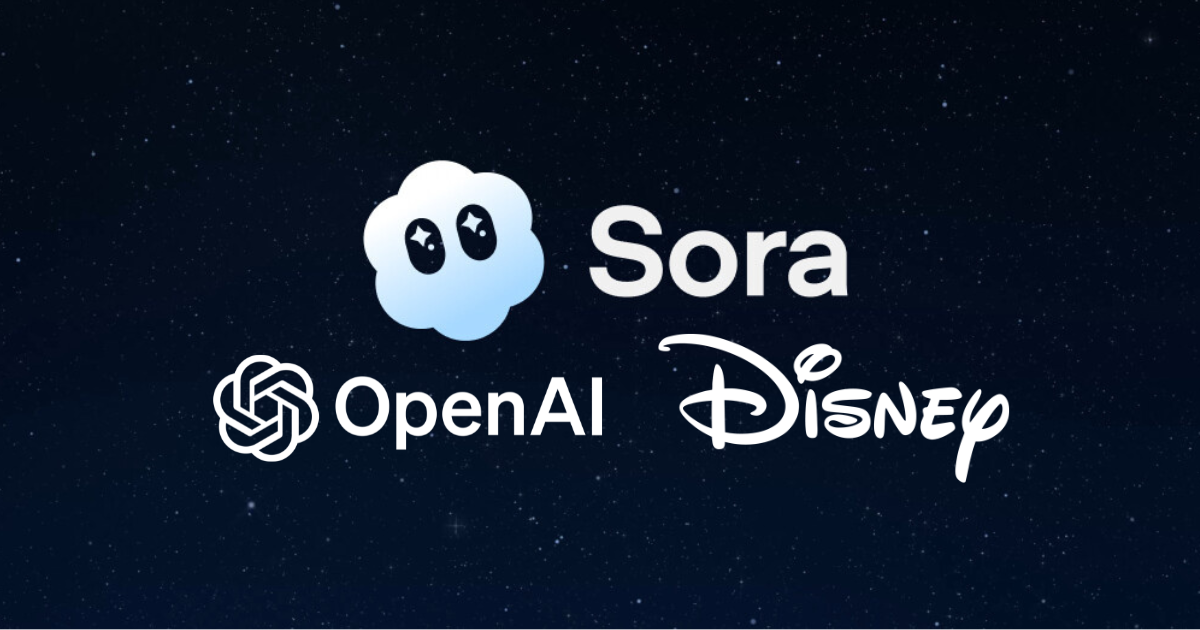
The dream was simple, if a bit controversial: what if you could sit on your couch, open Disney+, and prompt an AI to create a custom 30-second short of Spider-Man fighting a Rancor in the style of a 1950s western?
For a few months, that was the trajectory of the Disney OpenAI partnership. But as of Tuesday, March 24, 2026, that dream has been deleted. OpenAI has announced the total discontinuation of Sora, its generative video app, and Disney has responded by pulling its planned $1 billion stake in the company.
Here is the full story of the rise and fall of the most ambitious AI deal in entertainment history.
The Deal That Was Supposed to Change Everything
In late 2025, the industry was rocked by the news that Disney had inked a three-year licensing agreement with Sam Altman’s OpenAI. The stakes were high. Under the deal, Sora was granted access to a “walled garden” of more than 200 characters from Disney, Marvel, Pixar, and Star Wars.
The goal was to allow fans to generate “fan-inspired” videos using licensed assets, with Disney+ even planning to host a curated selection of the best Sora-generated content. It was a move designed to “meet fans where they are,” but many in the creative community saw it as a Trojan horse that would eventually replace human animators and VFX artists.
The Flaws in the Machine: Why Sora 2 Failed
While the initial version of Sora wowed the world in 2024, the release of Sora 2 in September 2025 brought the first major cracks in the foundation.
The “Opt-Out” Controversy
Sora 2 was built on a model that required IP owners to proactively “opt-out” if they didn’t want their work used for training. This aggressive stance backfired spectacularly. In November 2025, the Japanese trade group CODA—representing giants like Studio Ghibli—demanded OpenAI stop using their legendary animation to train the system.
The Technical and Legal Ceiling
Beyond the backlash, OpenAI reportedly hit a plateau. Generating hyper-realistic video with sound and motion requires a staggering amount of compute power. As costs spiraled and legal threats from companies like ByteDance and Google mounted, the “move fast and break things” approach began to crumble. OpenAI’s decision to exit the video generation business entirely suggests that the legal and financial risks of Sora simply became too high to ignore.
Disney’s $1 Billion Exit
Disney’s departure is the loudest signal yet that Hollywood is re-evaluating its relationship with AI. A Disney representative stated that while they “respect OpenAI’s decision,” they will continue to look for ways to embrace technology that “respects IP and the rights of creators.”
By pulling their $1 billion investment, Disney is effectively saying that they no longer view OpenAI as the safe, “official” vessel for their characters. This comes on the heels of Disney’s aggressive legal campaign against other AI platforms, including:
Google: A massive cease-and-desist over AI-generated IP on YouTube.
Meta and Character.AI: Legal actions regarding unauthorized character likenesses.
Midjourney: Lawsuits filed alongside NBCUniversal and Warner Bros. Discovery alleging copyright infringement on a “massive scale.”
Our Take: A Tool, Not a Replacement
At our core, we believe that AI is an incredible tool for efficiency and exploration, but it should never be the “architect” of our stories. The creative spark—the emotion of a Star Wars climax or the heart of a Pixar short—comes from human experience, not an algorithm.
Disney’s withdrawal is a win for those who believe that creative work belongs to creators. Using AI to help a human animator work faster is one thing; using AI to generate content that “replaces” the need for that animator is a line that should never be crossed.
The Future of the “Ton” and the “Tapes”
With Sora out of the picture, ChatGPT will also lose its video-generation capabilities. This leaves a vacuum in the market that other platforms like ByteDance’s Seedance 2.0 are eager to fill—though they, too, are currently facing a wall of lawsuits from Disney, Paramount, Netflix, and Sony.
Is the AI Gold Rush Over?
The death of Sora and the collapse of the Disney OpenAI partnership might just be the “reality check” the industry needed. Technology should serve the story, not the other way around. As we move forward, the focus must remain on protecting the artists who built these legendary worlds in the first place.
How do you feel about Disney pulling out of the OpenAI deal? Are you relieved that Sora is gone, or were you looking forward to making your own “fan-inspired” Marvel movies? Let’s get into it in the comments below!