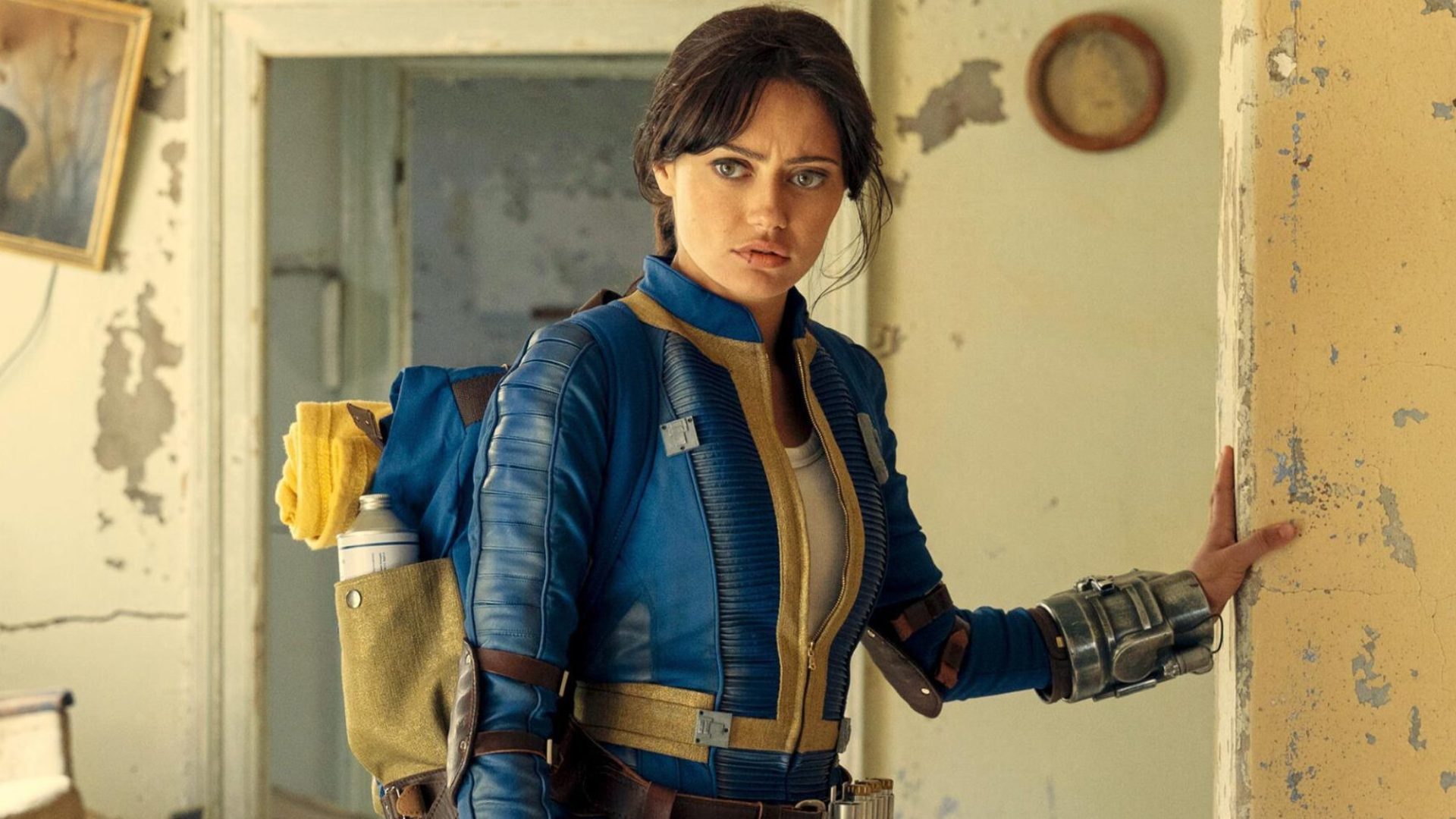
The road to the second season of the Fallout television series will lead Lucy, Maximus, and the Ghoul to the iconic, irradiated glow of New Vegas. By setting the next chapter in the Mojave Wasteland, the Amazon series is poised to resolve a massive, 15-year-old mystery that has haunted the franchise: which of the multiple player-determined endings of the beloved 2010 video game, Fallout: New Vegas, is now considered canon.
The Endgame: A Faction-Driven Power Struggle
The first season concluded with Lucy (Ella Purnell) and the Ghoul (Walton Goggins) agreeing to head toward the distant lights of New Vegas. Since the Fallout series is set in the year 2296, fifteen years after the events of the New Vegas game (set in 2281), the characters will be walking into a city still reeling from the aftermath of the decisions made by the game’s protagonist, the Courier.
In the New Vegas video game, the Courier becomes entangled with three major factions vying for control over the city and the Mojave Wasteland: Caesar’s Legion, an imperialist slaver society; the New California Republic (NCR), the democratic, pre-war-style military force; and Mr. House, the pre-war billionaire who rules the Strip through an army of robots after uploading his consciousness into a computer. The game’s main quest forced the player to choose a side—or seize control for themselves—making the final state of New Vegas highly variable. The TV series must now select one of these paths as the official history.
Analyzing the Three Possible Futures
The three primary endings offer starkly different visions for the Mojave:
The Caesar’s Legion ending, while guaranteeing stability under a brutal, dictatorial slave state, is widely considered the most bleak and creatively limiting option, as it represents a major regression to a Roman Empire-style society with minimal opportunity for change.
The New California Republic (NCR) ending is the most familiar and nuanced, offering order and expanded prosperity by securing the Hoover Dam. However, it also subjects the New Vegas Strip to NCR control and ultimately resembles the society that led to the Great War in the first place, feeling like a thematic defeat.
The Mr. House ending is the most futuristic and dystopian, yet potentially the most progressive. With House’s robot army securing the Strip and the Hoover Dam, the region achieves stability and freedom for surrounding areas, though it is “orderly” and “cold.” This ending leaves the door open for future regime changes since the seemingly all-powerful Mr. House is also vulnerable and relies on the Courier’s help to complete his mission.
The Evidence for a Mr. House Canon
While all three factions present interesting possibilities, details from Season 1 and glimpses from the Season 2 trailer strongly suggest the series is leaning toward the Mr. House ending.
The most damning piece of evidence against the NCR is the revelation that Shady Sands, the original capital of the New California Republic, was bombed in the years following the events of New Vegas. Season 1 confirms this destruction, with Maximus witnessing the aftermath of the attack. The bombing and elimination of the NCR capital strongly indicates that the Republic lost its grip on the region and the Hoover Dam, likely ruling out the NCR ending.
Furthermore, a Caesar’s Legion victory would necessitate the Courier either killing or disabling Mr. House. However, the Season 2 trailer appears to show a near-perfect replica of Mr. House’s headquarters in the Lucky 38 penthouse, complete with an active Mr. House himself on his massive computer screen. His continued existence effectively rules out a canonical Legion victory.
The Mr. House victory offers the richest storytelling potential, allowing the series to explore the remnants of the fallen NCR and Legion, as House’s final scene suggests he did not eliminate every last part of the rival organizations. Crucially, it sets up an exciting dramatic possibility: an interaction between two major pre-war figures in the Fallout universe—the Ghoul, who had ties to Vault-Tec, and the ancient pre-war billionaire, Mr. House. All signs point to a dystopian, yet stable, New Vegas under the rule of RobCo’s CEO.