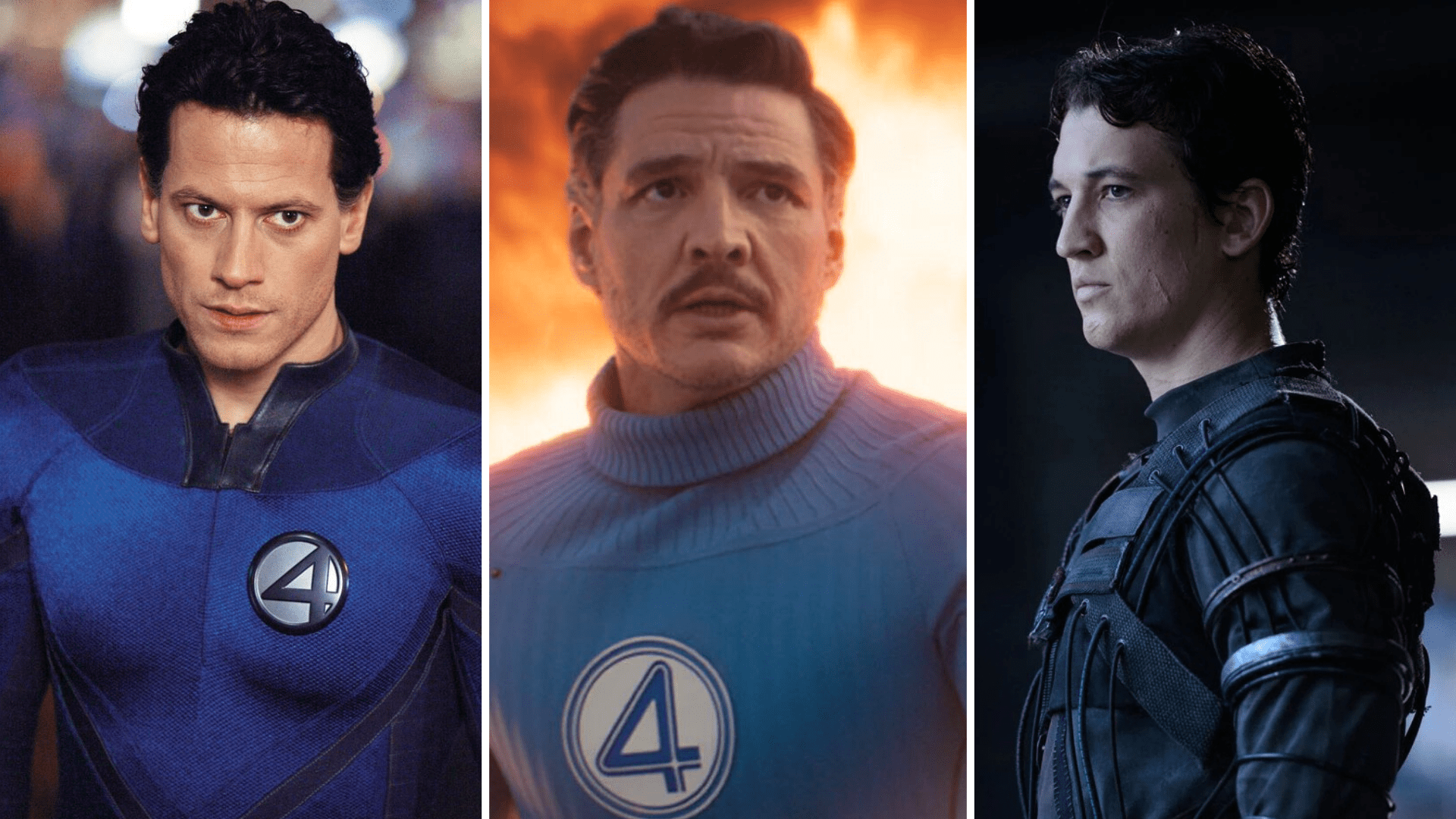
After twenty years and four theatrical attempts, Marvel’s “First Family” has finally found their footing in the Marvel Cinematic Universe.
The Fantastic Four: First Steps has earned critical acclaim and decent box office returns, but the journey to get here raises a fundamental question that Hollywood has been grappling with for two decades: Do audiences actually care about the Fantastic Four?
The answer, based on cold hard numbers and critical reception, is complicated. It’s not that audiences hate the Fantastic Four—it’s that they’ve never been given a compelling reason to love them.
The Pattern of Diminishing Returns
Looking at the box office trajectory tells a sobering story. The 2005 Fantastic Four earned $333.5 million worldwide on a $100 million budget—a solid if unspectacular return that suggested moderate audience interest. The 2007 sequel Rise of the Silver Surfer dropped to $301.9 million despite an increased budget of $130 million, indicating waning enthusiasm even as production costs rose.
Then came 2015’s catastrophic reboot, which managed just $167.9 million worldwide against a $120 million production budget. With estimated marketing costs pushing the total investment to $200 million, the film represented one of the biggest superhero flops of the modern era. Each successive attempt had earned less than its predecessor, creating a pattern that suggested audiences were actively rejecting these characters.
The 2025 MCU entry First Steps finally broke this cycle with $506.6 million worldwide, but even this “success” comes with caveats. The film experienced an 80% second Friday drop and fell 66% in its second weekend—steep declines that suggest initial curiosity rather than sustained audience engagement.
The Critical Consensus: Mediocrity as Brand Identity
The critical reception paints an even starker picture of audience indifference. The 2005 film earned a dismal 28% on Rotten Tomatoes, with critics calling it “marred by goofy attempts at wit, subpar acting, and bland storytelling.” The sequel managed only a marginal improvement to 37%, described as “juvenile” and “simplistic.”
Most damning was the 2015 reboot’s 9% Rotten Tomatoes score—the lowest rating of any theatrical Marvel Comics adaptation. Critics called it “the cinematic equivalent of malware” and “worse than worthless.” Audiences agreed, giving it a rare C- CinemaScore, described by industry insiders as “the worst grade that anyone can remember for a marquee superhero title.”
Even the well-received 2025 film, with its 87% Rotten Tomatoes score, has been praised more for competence than innovation. Critics noted it “puts the fun back into the franchise” and makes you “wish that Marvel had reached this point years ago”—backhanded compliments that suggest relief rather than genuine enthusiasm.
The Development Hell Chronicles
Perhaps no superhero property has suffered through more tortured development cycles. The rights ping-ponged between studios for decades, with numerous high-profile directors and writers attached and then departing. Chris Columbus was fired for wanting to honor Jack Kirby’s visual style. Peyton Reed spent a year developing a version before leaving over creative differences, later repurposing his ideas for Ant-Man and the Wasp: Quantumania. Josh Trank’s notorious 2015 version was plagued by reported behind-the-scenes chaos and studio interference.
This pattern suggests something fundamental: Hollywood executives keep trying to crack the Fantastic Four code, but nobody can figure out what audiences want from these characters. The constant reboots, director changes, and creative pivots indicate a property that studios believe should work but consistently fails to connect.
The Marvel Studios Test
The inclusion of the Fantastic Four in the MCU represents the ultimate litmus test for audience interest. Marvel Studios has an unprecedented track record of making audiences care about obscure characters—who knew about the Guardians of the Galaxy before 2014? If anyone could make the Fantastic Four work, it would be Kevin Feige and company.
Yet even Marvel’s attempt feels calculated rather than passionate. The decision to set First Steps in a retro 1960s aesthetic, while creatively interesting, reads as an acknowledgment that the characters don’t fit naturally into the modern superhero landscape. It’s a clever workaround, but it also sidesteps the fundamental question of whether contemporary audiences connect with Reed, Sue, Johnny, and Ben as characters.
The Comparison Problem
The Fantastic Four’s struggles become more apparent when compared to other Marvel properties. Spider-Man has been successfully rebooted multiple times because audiences have an emotional connection to Peter Parker’s relatability. The X-Men franchise, despite its inconsistencies, taps into universal themes of prejudice and acceptance. Even Iron Man succeeded because Tony Stark’s wit and charisma translated perfectly to Robert Downey Jr.’s performance.
The Fantastic Four, by contrast, have struggled to find their emotional hook. Reed Richards is often portrayed as boringly brilliant, Sue Storm as generically supportive, Johnny Storm as obnoxiously cocky, and Ben Grimm as gruffly loyal. These are archetypes rather than characters, which may explain why four different film attempts have failed to make audiences truly invest in their relationships and conflicts.
The Streaming Era Verdict
Perhaps most tellingly, the Fantastic Four have been largely absent from the streaming content explosion that has rehabilitated numerous other Marvel properties. While characters like Loki, Wanda Maximoff, and even Hawkeye have found new life and audience appreciation through Disney+ series, there’s been no similar push for FF content. This suggests that even Marvel Studios, with all their data and market research, may be uncertain about sustained audience appetite for these characters.
The Uncomfortable Truth
Twenty years and four films later, the evidence suggests that while audiences don’t actively dislike the Fantastic Four, they don’t particularly care about them either. Each film has been met with polite indifference at best and active hostility at worst. The consistent pattern of declining box office returns and poor critical reception indicates a fundamental disconnect between what studios think audiences want and what audiences actually respond to.
The 2025 film’s success may represent a turning point, but its steep weekend drops suggest that initial curiosity doesn’t necessarily translate to sustained engagement. The real test will be whether audiences show up for the inevitable sequels and the characters’ appearances in upcoming Avengers films.
The Fantastic Four may be Marvel’s First Family, but after two decades of evidence, it’s becoming increasingly clear that audiences view them more as distant relatives—characters they might tolerate at a family gathering but wouldn’t necessarily invite over for dinner. In an era where superhero fatigue is a genuine concern and audiences are becoming more selective about their entertainment investments, the Fantastic Four’s lukewarm reception suggests that being “fantastic” in name isn’t enough to guarantee audience affection.
The question isn’t whether the Fantastic Four deserve better—it’s whether audiences will ever truly care enough to demand it.