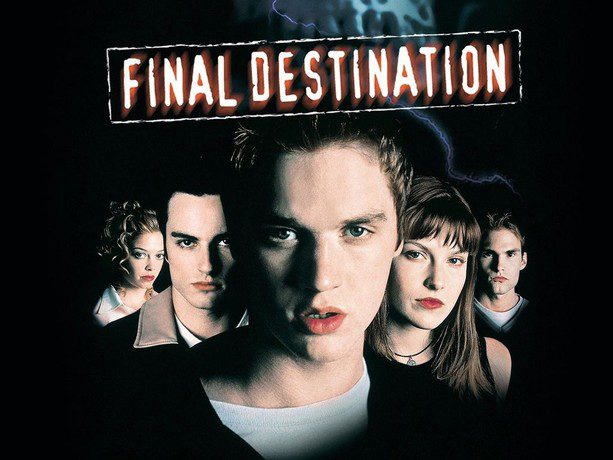
Twenty-five years ago today, on March 17, 2000, audiences first learned that death has a design—and it doesn’t like to be cheated.
When “Final Destination” first crashed into theaters, no one could have predicted it would spawn one of horror’s most enduring franchises. What started as an “X-Files” spec script evolved into a cultural phenomenon that forever changed how we look at seemingly random accidents. As the series prepares for its sixth installment (“Final Destination: Bloodlines”) arriving in theaters May 16, we look back at the unlikely origin story of a film that transformed everyday objects into instruments of doom.

From Television Spec to Big Screen Scream
For creator Jeffrey Reddick, inspiration struck in an unexpected place—a magazine article about a woman who avoided a plane crash after having a premonition.
“When I read the article, it just went into my head: what if she ‘cheated’ death, and what would that look like if death decided to come after her?” Reddick recalls. “I wrote that idea as an ‘X-Files’ spec script.”

In a twist of fate that mirrors the film’s own themes of cosmic design, Reddick’s spec script eventually found its way to “X-Files” executive producers James Wong and Glen Morgan. While the original story featured a physical manifestation of Death—complete with hood and sickle—Wong and Morgan immediately recognized the potential of a more invisible threat.
“What are we going to do? You can’t see Death. That’s ridiculous. And you can’t kill Death—that’s even more ridiculous,” Morgan remembers telling Wong before their New Line meeting. Executives Richard Brener and Brian Witten provided the breakthrough: “Look, it goes like this, death is a force. You don’t see it.”
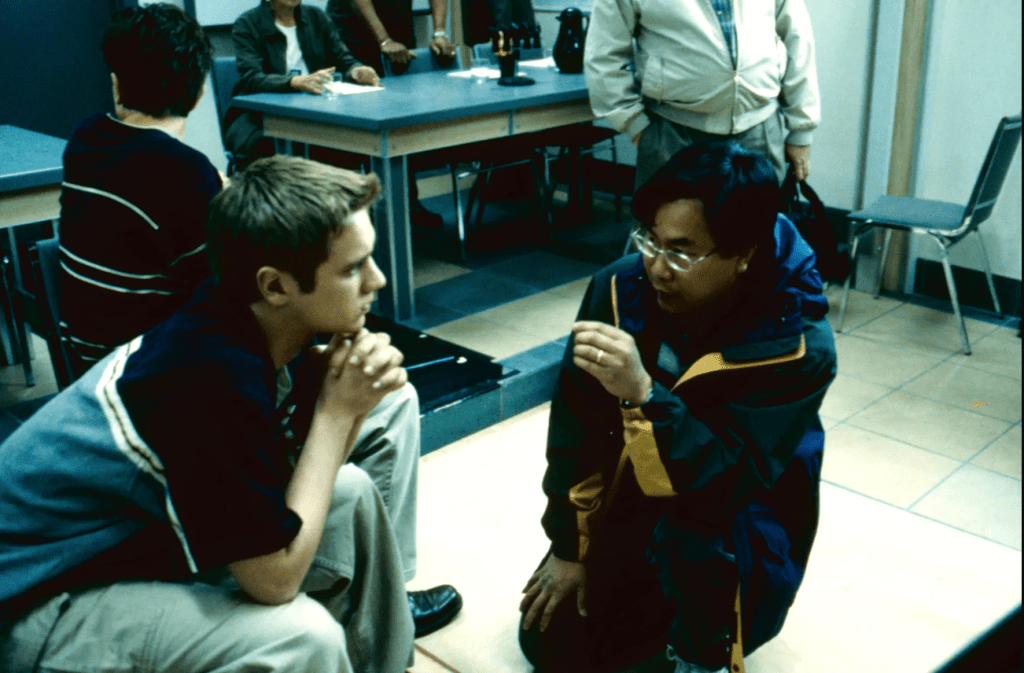
Reddick embraced their vision: “What I loved was when James and Glen wrote the shooting script is they fought to make sure that there was no death. And I think their idea to do the Rube Goldberg thing where death kind of uses everyday things around us was genius.”
Even the title underwent transformation. Originally called “Flight 180” (a name Kerr Smith, who played Carter Horton, called “terrible”), the film found its perfect moniker thanks to Reddick’s friend Brett Leitner, who suggested “Final Destination.”
Creating Characters Worth Killing
Wong and Morgan approached the character development with a clear framework, crafting a diverse group of teens that would resonate with different segments of the audience.

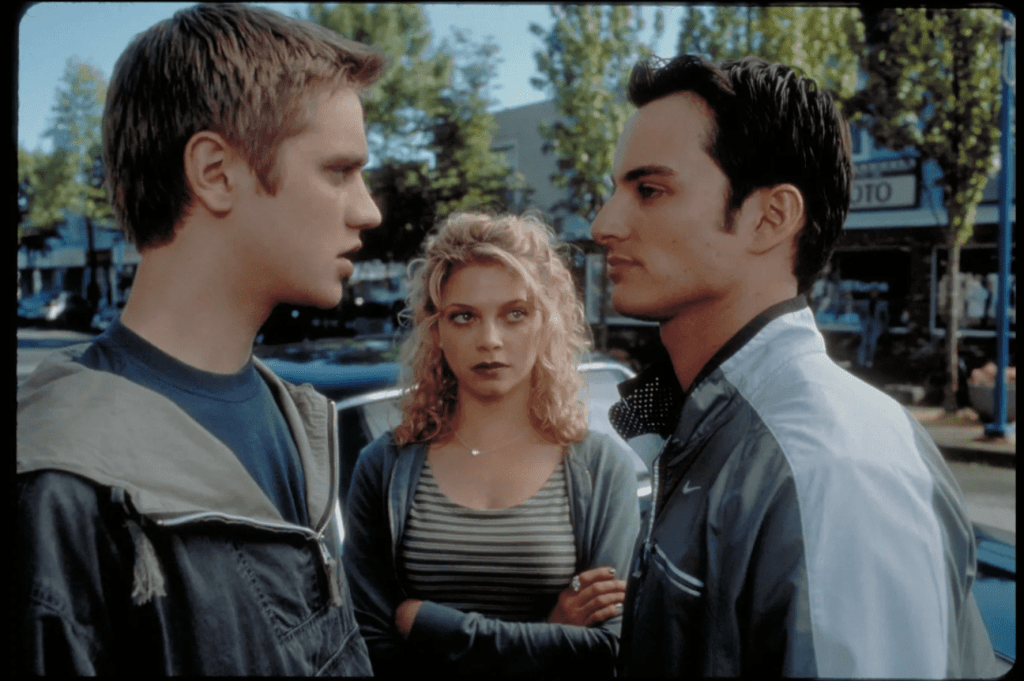
“We wanted Alex to be an everyman,” Wong explains about Devon Sawa’s lead character. “We wanted him to be the kids that we were in high school—we weren’t complete nerds or anything, but just a normal kid that kind of skated by in the middle ground.”
To balance Alex’s everyman quality, they created Clear (Ali Larter), described by Morgan as the girl “reading ‘Tropic of Cancer'” in high school. “To counter that, you need a character that’s like, ‘No, I kind of believe in what you’re saying,'” Morgan notes.
The film also required its antagonist. “We wanted the Kerr Smith character as, we all know that guy and we’d love for him to die, but we want to keep him alive until the very end,” Wong says.
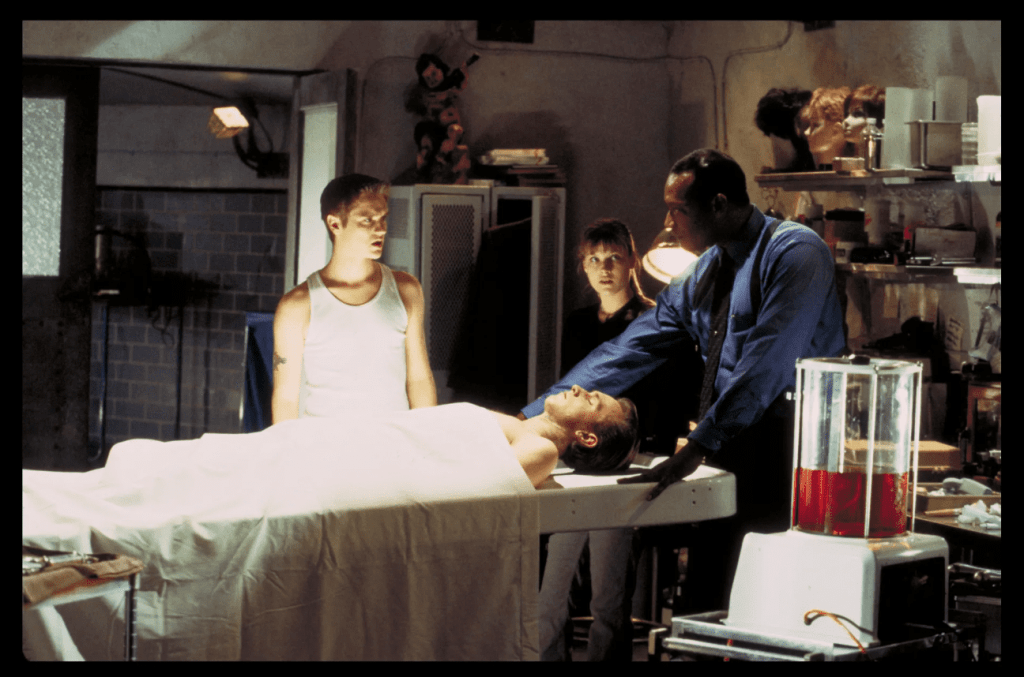
The adult characters served specific narrative purposes. Kristen Cloke, who played doomed teacher Ms. Lewton, saw her character as “the emotional chorus for the movie,” while Tony Todd’s mortician William Bludworth became the film’s philosophical center. “He basically is the theme of the movie,” Wong says of Todd’s character, who sadly passed away before seeing the franchise reach this milestone.
Building Dread Before Disaster
Rather than relying solely on shock value, Wong and Morgan crafted a deliberate sense of foreboding from the film’s opening frames—a creative choice influenced by their cinematic heroes.
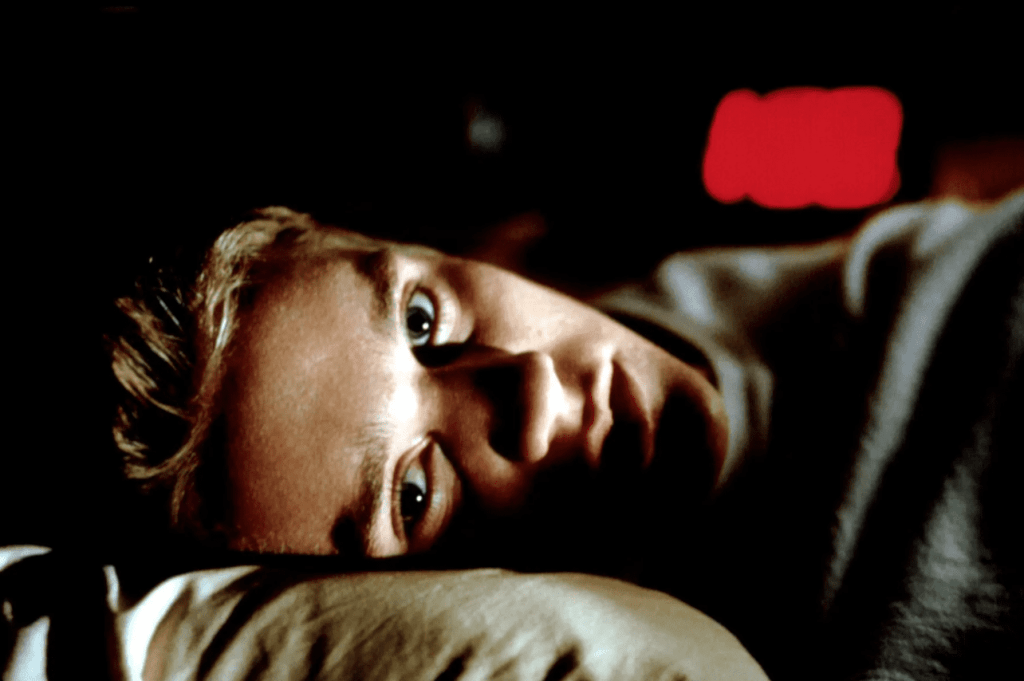
“It was probably inspired by the people that Jim and I looked up to, like Alfred Hitchcock,” Morgan explains. “It’s 30 minutes until Janet Leigh gets in the shower in ‘Psycho,’ but there’s just such a tone of dread.”
The filmmakers layered in subtle details: Alex’s birthday matching the flight number, the John Denver song “Rocky Mountain High” playing (Denver died in a plane crash), and characters discussing superstitions. Even the title sequence, with flipping yearbook pages and burning travel tags, established an ominous atmosphere.

“I can’t tell you how many people in 25 years have gone, ‘I do that too,'” Morgan says about the moment Alex examines the plane door for signs of poor maintenance—a personal superstition Morgan brought to the script.
Engineering Elaborate Deaths
Creating the film’s elaborate death sequences posed both creative and technical challenges, beginning with the spectacular plane crash that sets everything in motion.
“That plane was enormous. It was on a big gimbal and you had to walk everybody up 10 or 20 feet up in the air, with a joystick and explosions,” Morgan recalls. Smith adds that the gimbal actually broke during filming: “The whole thing broke like this, and we all had to climb out with a ladder.”
The now-iconic bus scene—where Amanda Detmer’s character Terry is suddenly struck mid-conversation—came from Morgan’s real-life observation at the Hollywood Bowl, where he witnessed someone nearly step into traffic. Initially, the practical effect didn’t work as planned. “It was a $30,000 prosthetic Amanda, and it got hit by the bus and we were like, ‘Oh,'” Morgan says. The solution came in editing, using the bus as a visual wipe and quickly cutting to reaction shots with blood-splattered survivors.

Ms. Lewton’s demise proved particularly memorable for its extended torture. “She dies like three times before she succumbs to her injuries,” Wong notes. For actress Cloke, it meant uncomfortable practical effects: “I’m a little claustrophobic, so having to do a body cast and a face cast for me is never my most favorite thing…I became a fixture of the floor for a couple of days.”
Finding the Right Ending
The film’s original conclusion was philosophical rather than visceral—Clear was pregnant, suggesting life continuing after death. But test audiences rejected this ending emphatically.
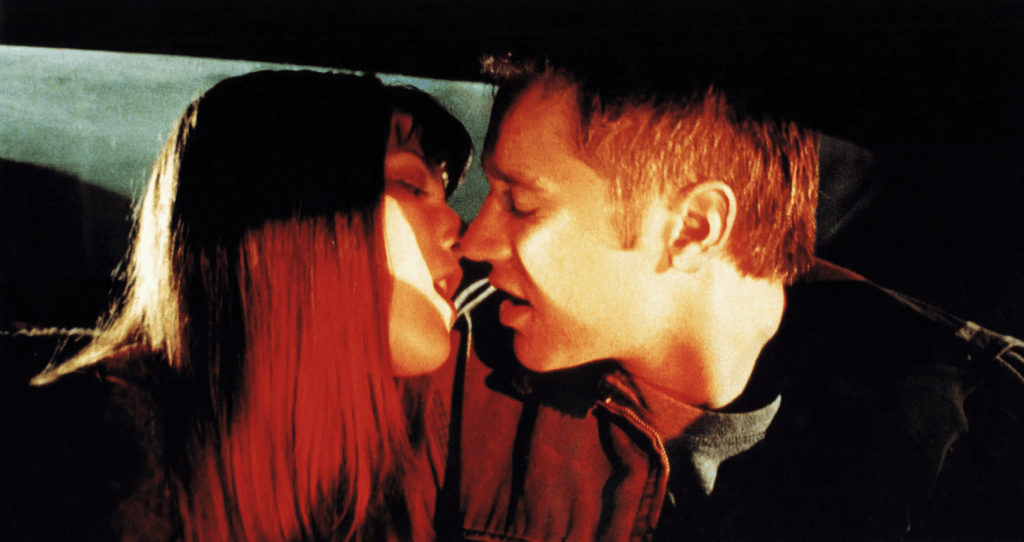
“We were like, let’s give it a try. It’s the kind of thing we would’ve done on ‘The X Files,'” Morgan says. “And we did it, and it’s not bad, but the air just went out of that theater.”
New Line head Bob Shaye insisted on a more shocking conclusion. “He was like, ‘I want another bus hit that ends this movie,'” Morgan remembers. The solution came during a meeting at Santa Monica’s Formosa Cafe, where Wong suggested the Paris setting that would become the film’s actual ending—and establish the franchise’s pattern of seemingly escaping death only to face it again in spectacular fashion.

“Without changing a frame other than the new ending, all those notes went away,” Morgan says of the subsequent test screening. “And pretty much by the third film, we were just going, ‘Okay, let’s just kill everybody.’ The test screening basically gave us the format for the movie and the subsequent movies.”
Death’s Design Lives On
Twenty-five years later, “Final Destination” has proven impressively resilient. The franchise has generated over $700 million worldwide across five films, with the sixth installment arriving soon. More importantly, it has embedded itself into popular culture, forever changing how we view random accidents and everyday objects.
“I’m proud of what Jim and I brought to this, which I got to say I think is extensive, the whole Rube Goldbergness,” Morgan reflects. “But it was, Reddick had an idea and then New Line produced it, and it was really collaborative.”
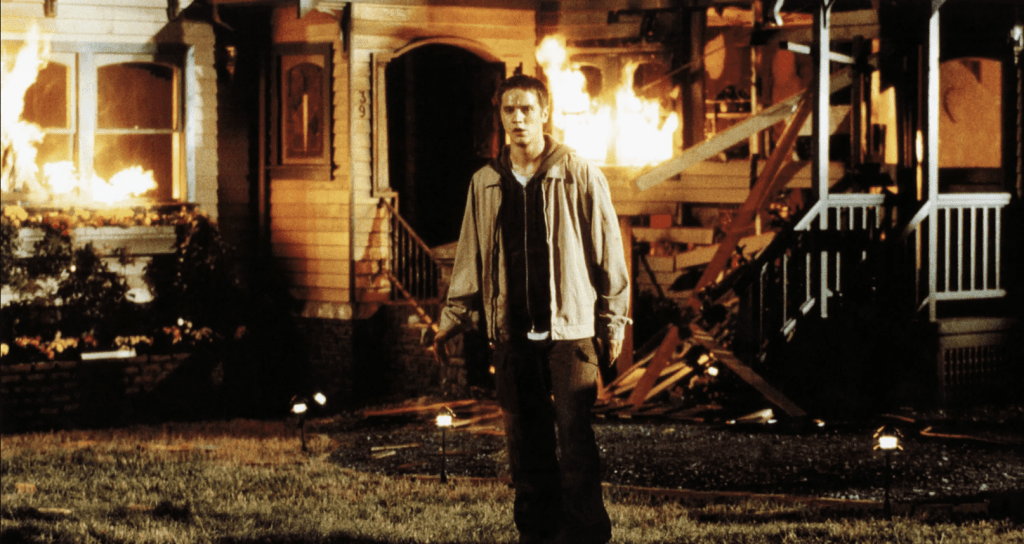
For Wong, the film’s longevity is a point of pride: “It was my first movie and I’m proud of it…I still point to it and go, ‘Wow, we did something that’s 25 years later still going.'”
Perhaps most rewarding for the creators is the film’s influence on a new generation of filmmakers. “It’s interesting because it used to be, ‘I’ve got to tell you what ‘The X-Files’ means,'” Morgan says. “And now that that movie has an influence on young filmmakers the way that AIP movies or Spielberg and Hitchcock movies did to me…that you excited some filmmakers to go, ‘I want to do this,’ that’s the best part of this series doing well.”
Twenty-five years after first teaching us that death has a design, “Final Destination” continues to make us nervously eye loose screws, leaking water, and anything that could possibly lead to our demise—even if we’ve temporarily cheated death.