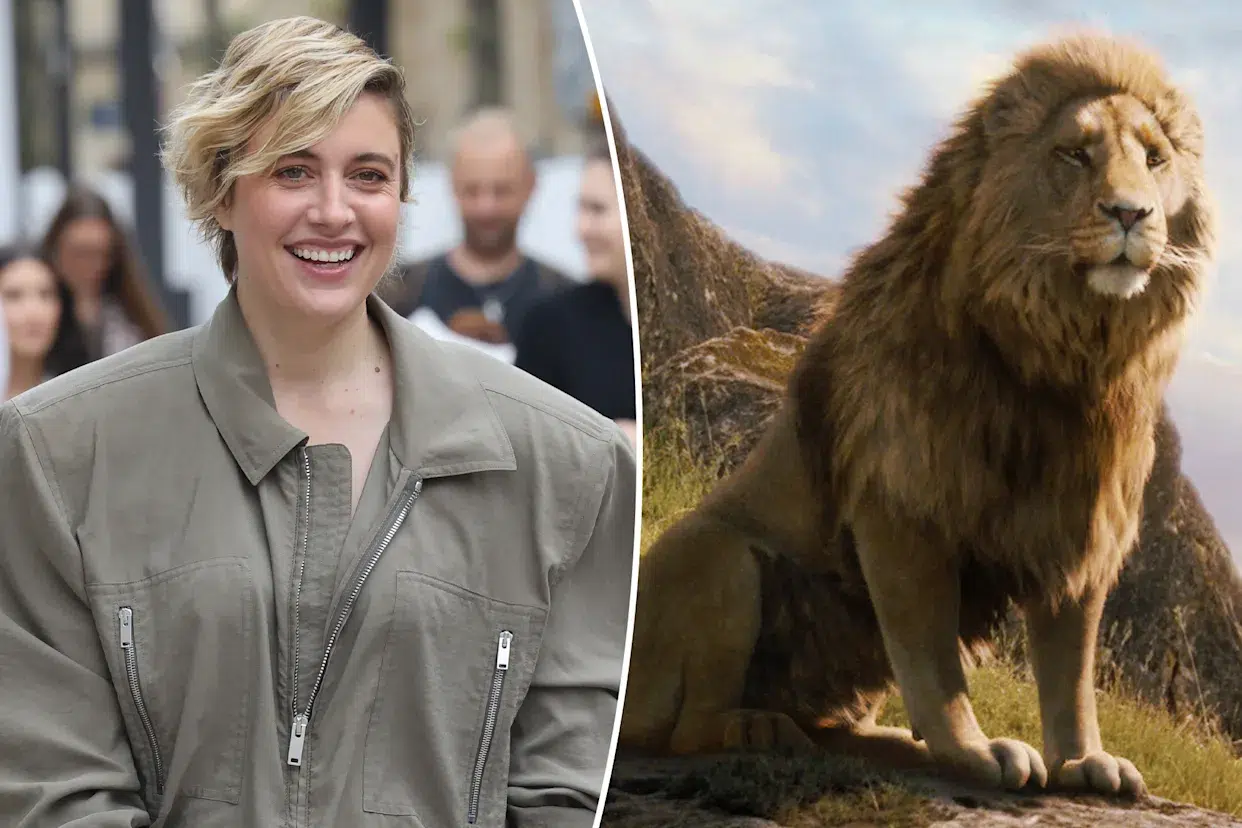
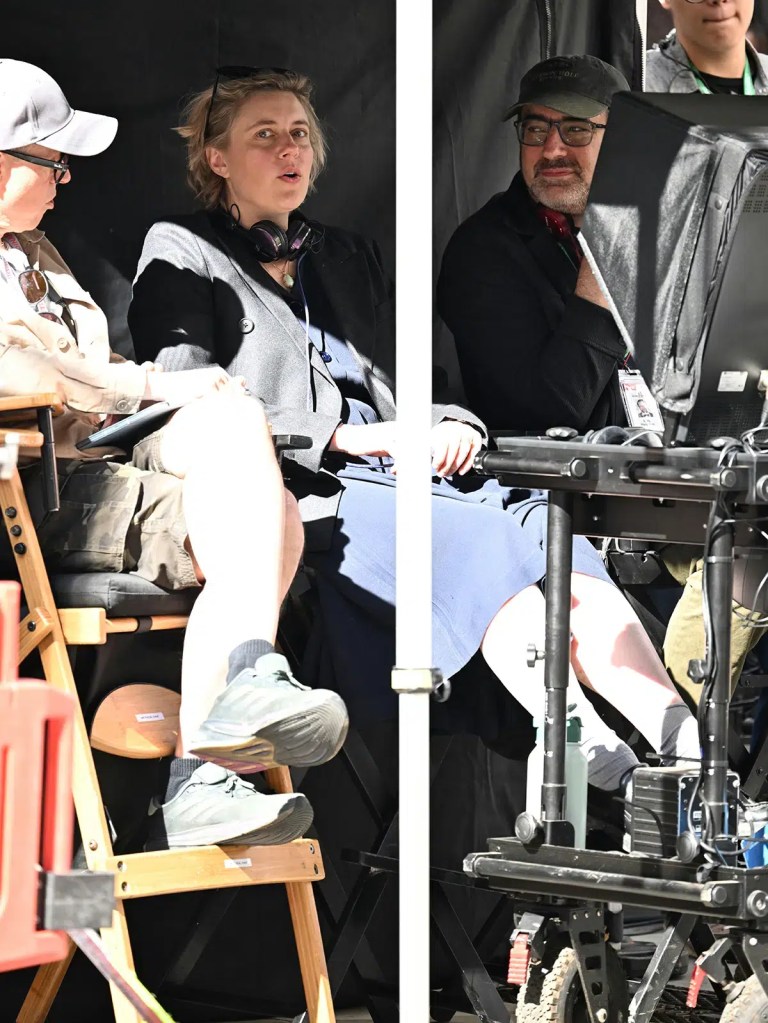
After nearly seven years of development, Netflix’s ambitious Chronicles of Narnia reboot is officially underway, and the first glimpses from the London set reveal that director Greta Gerwig is taking C.S. Lewis’s beloved fantasy series in an unexpected direction. Fresh off her billion-dollar success with “Barbie,” Gerwig is now tackling one of literature’s most cherished fantasy worlds — but she’s doing it her way.
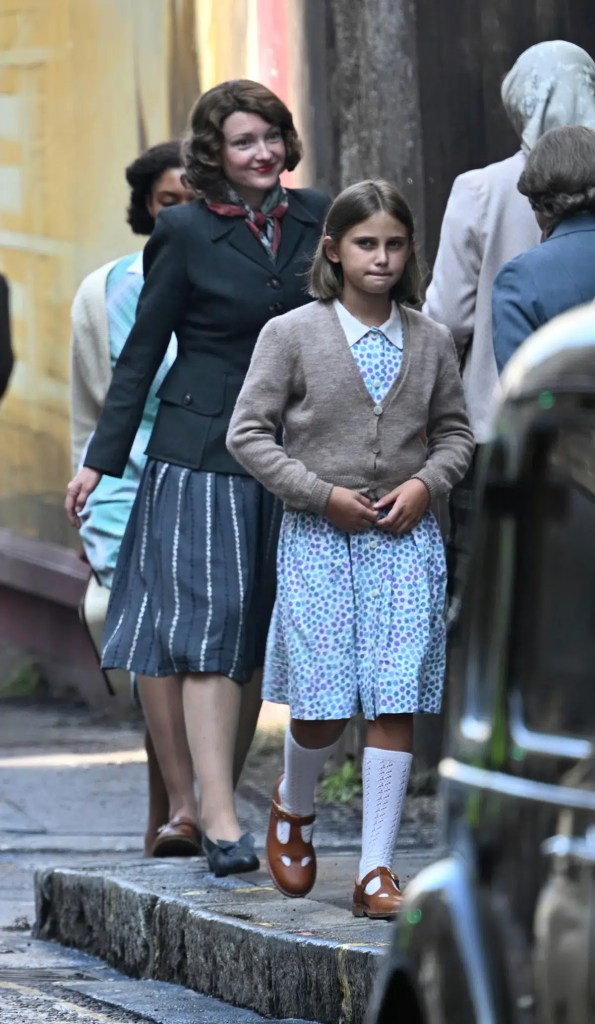
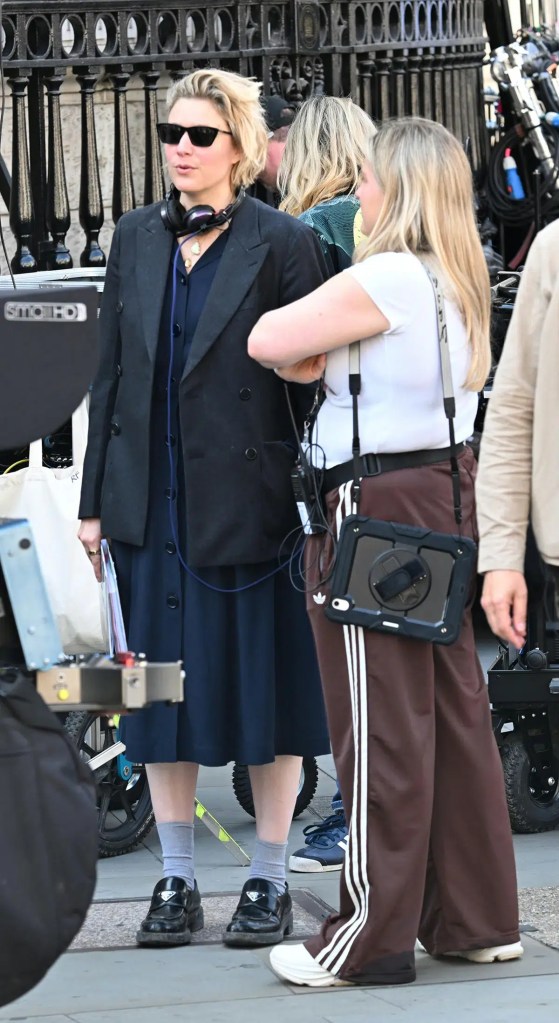
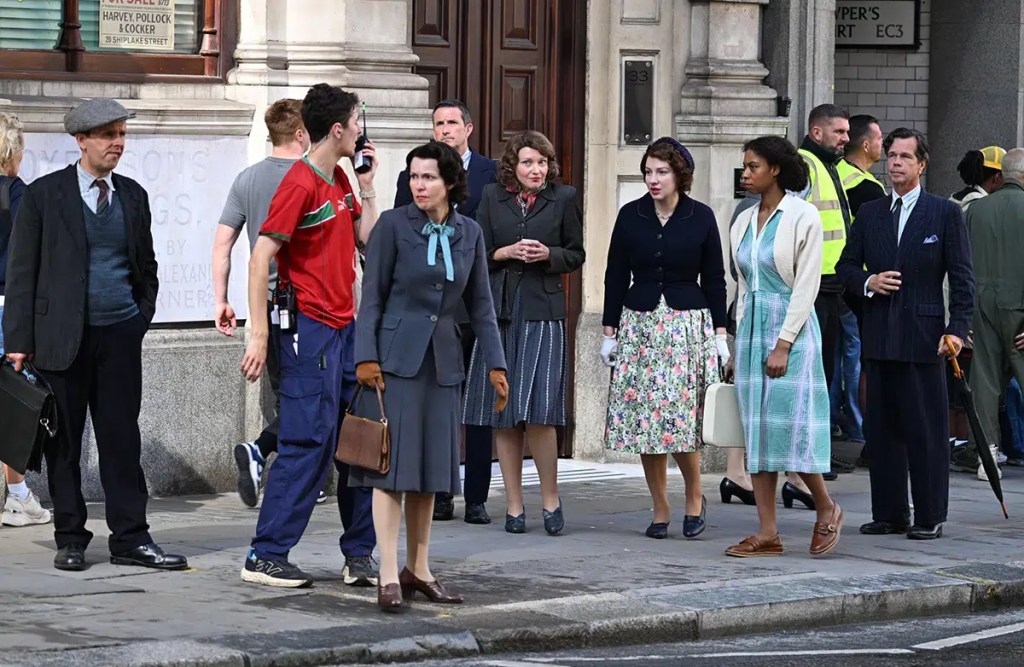
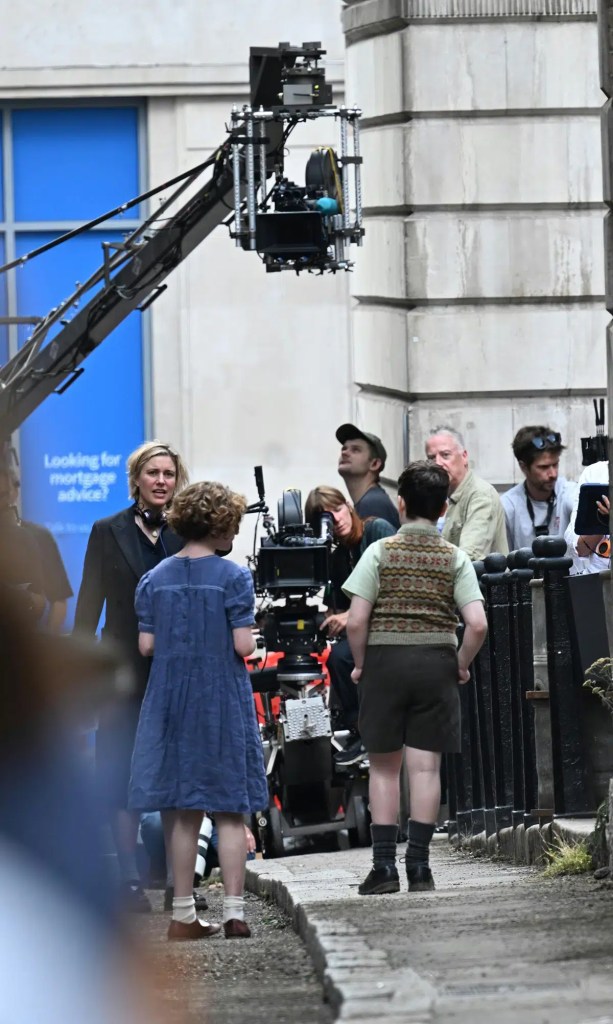
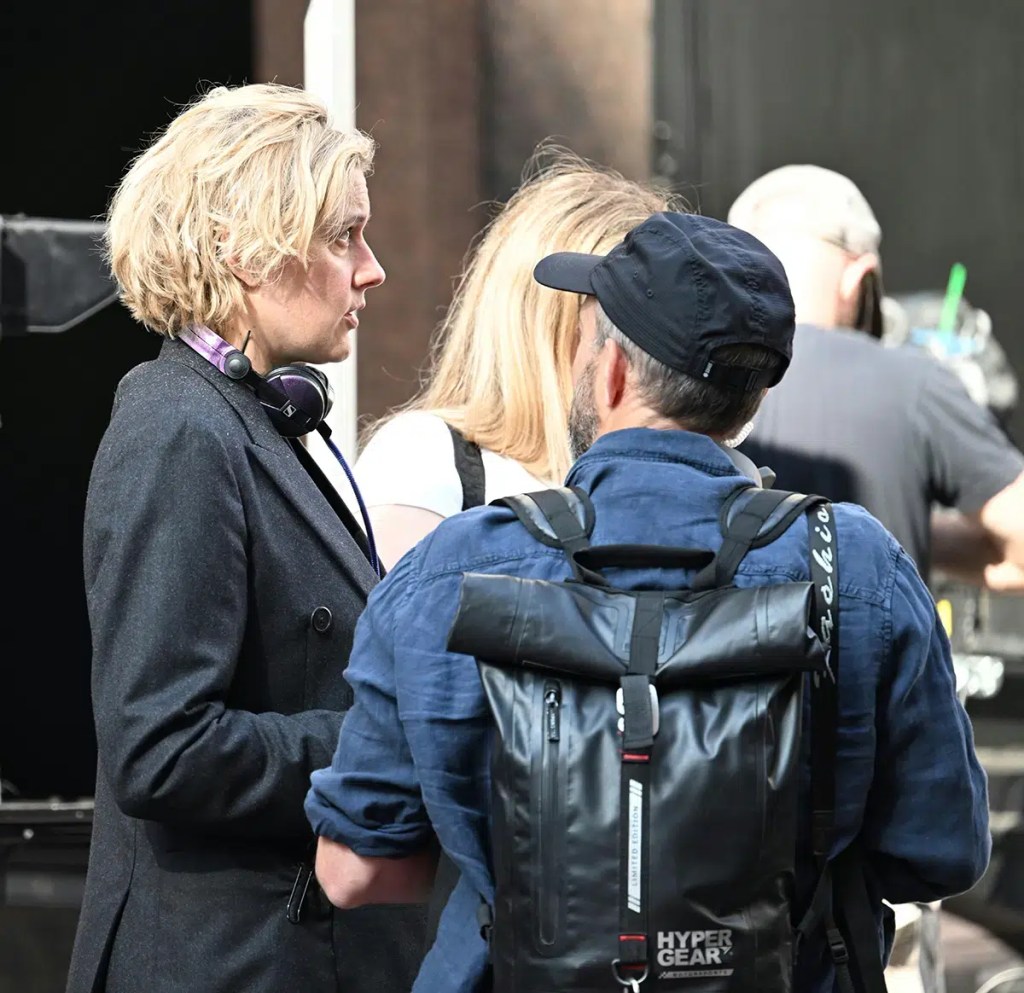
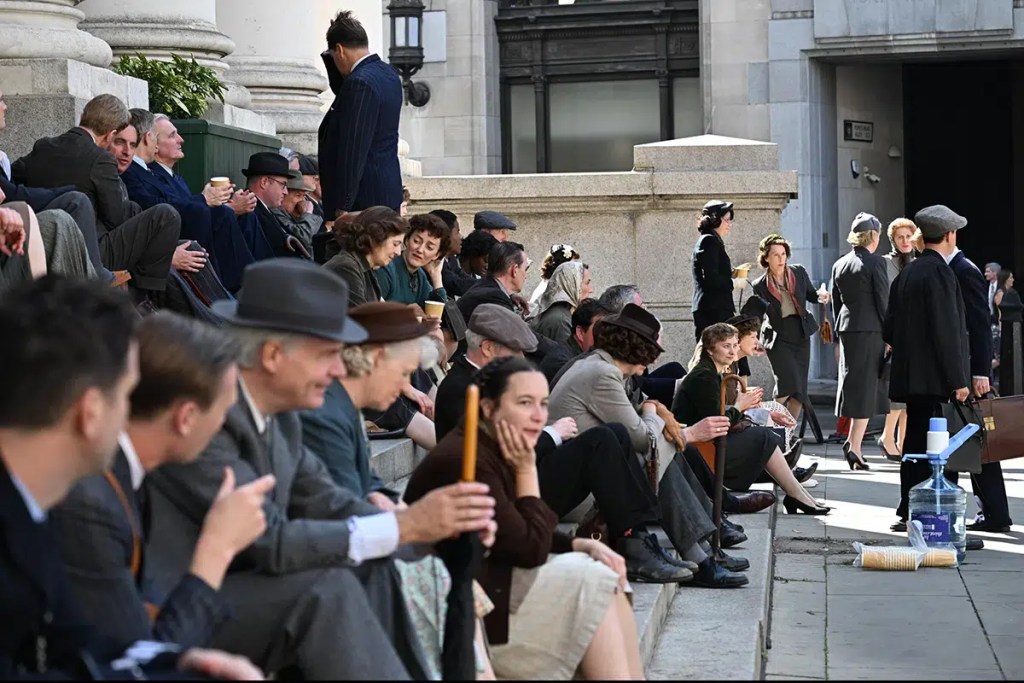
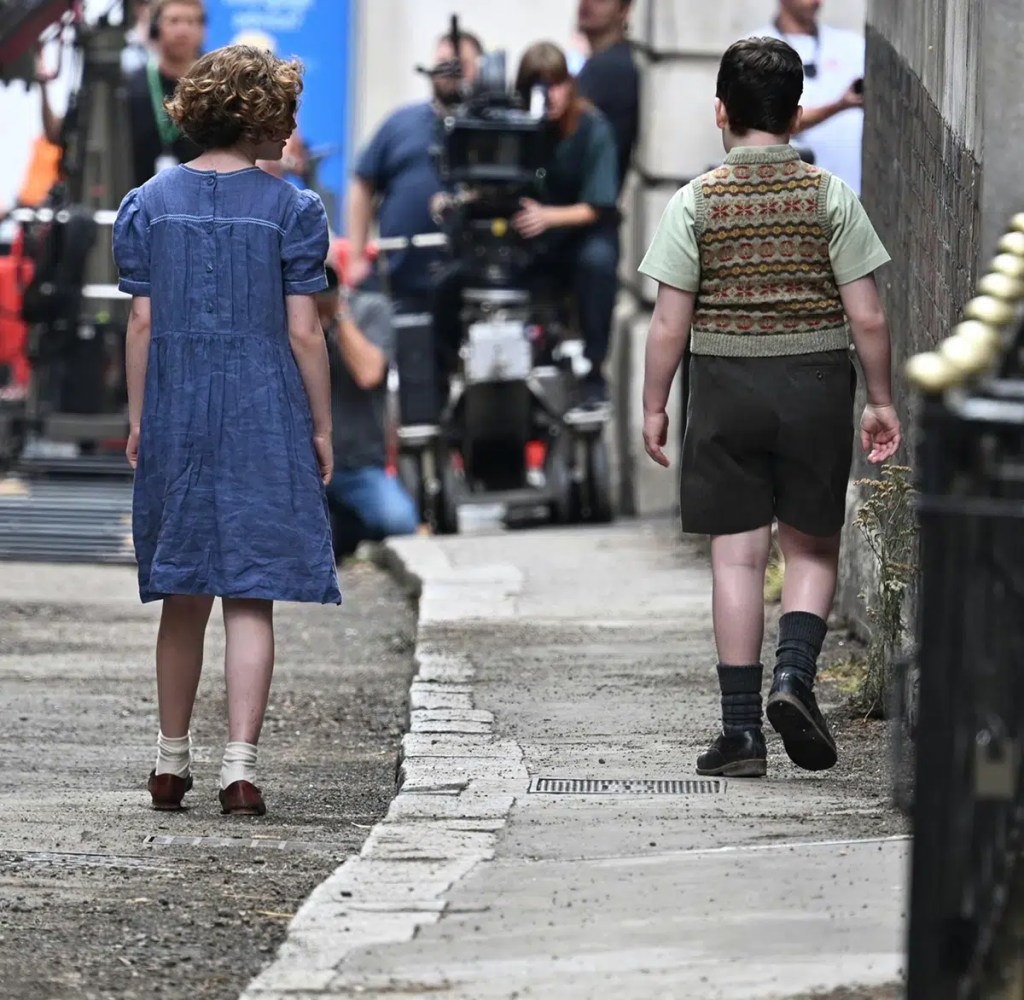
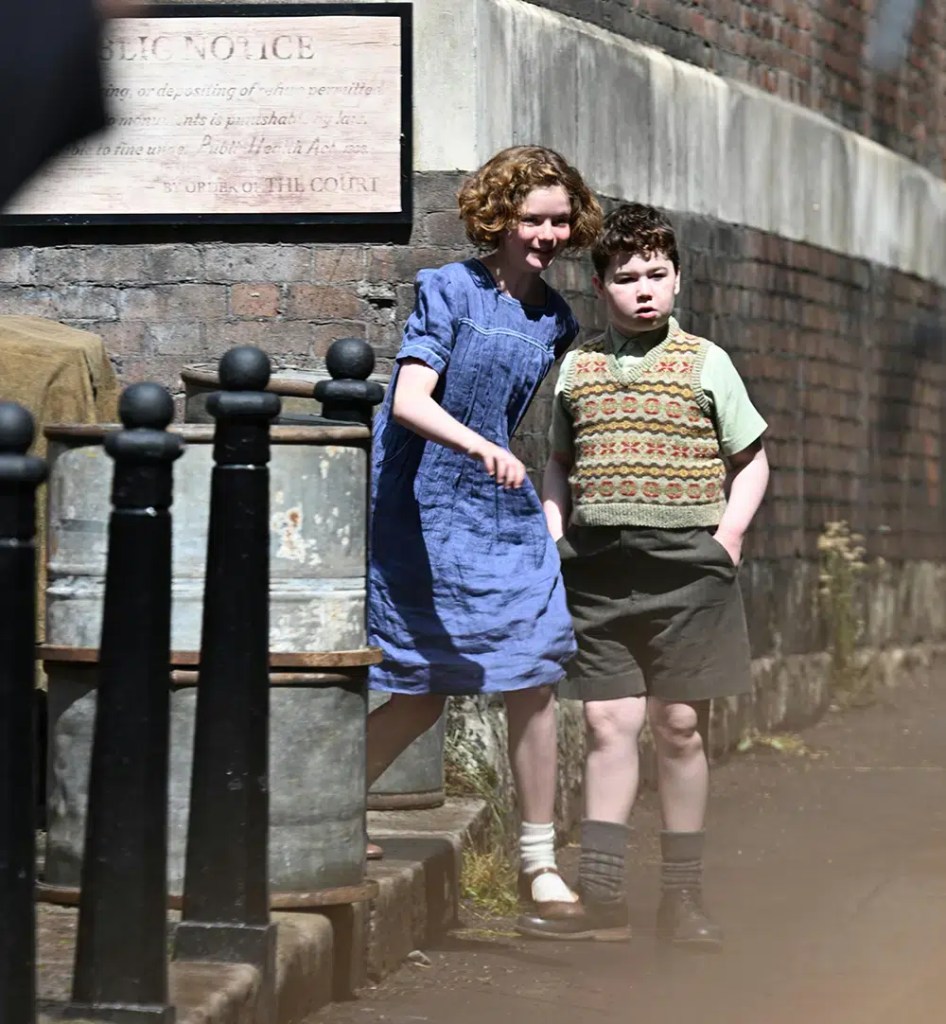
This past weekend marked a milestone moment for the project as filming began in and around Bank Station and The Royal Exchange in London, with lavish sets recreating post-war Britain. But here’s the twist that has Narnia fans buzzing: this isn’t the adaptation everyone was expecting.
The Magician’s Nephew Gets Its Due
Contrary to widespread assumptions that Netflix would kick off their Narnia universe with “The Lion, the Witch and the Wardrobe” — the most famous book in the series and the basis for Disney’s 2005 blockbuster — Gerwig has chosen to begin with “The Magician’s Nephew.” This decision represents a bold creative choice that could fundamentally reshape how audiences experience Lewis’s magical world.
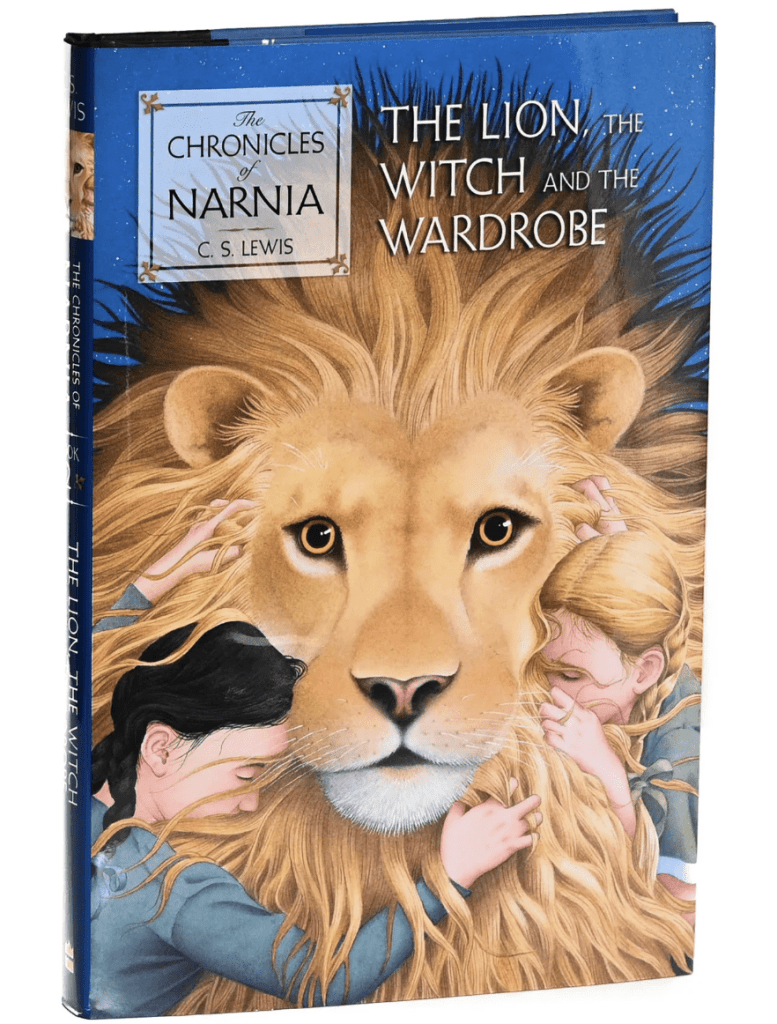

“The Magician’s Nephew,” originally published in 1955, serves as the series’ origin story, taking place long before the Pevensie children ever discover that famous wardrobe. The novel follows two youngsters, Digory Kirke and Polly Plummer, who are accidentally transported to Narnia by a magician and witness the creation of the magical world by Aslan himself. More crucially for the overarching narrative, this is where audiences will first encounter Jadis, the White Witch, as she’s unleashed upon both Narnia and London.
The choice makes narrative sense from a franchise-building perspective. Rather than jumping into the middle of Narnia’s timeline, Gerwig is starting at the true beginning, allowing her to establish the world’s mythology, introduce Aslan, and set up the White Witch as the recurring antagonist — all while avoiding direct comparisons to the previous film adaptations that focused on the Pevensie siblings.
A Star-Studded Cast Taking Shape
While Netflix has been characteristically secretive about official casting announcements, the rumored and confirmed cast reads like a who’s who of Hollywood talent. Emma Mackey, fresh off her scene-stealing turn in Gerwig’s “Barbie,” has reportedly been cast as the White Witch, beating out other rumored contenders including pop star Charli XCX and “The Substance” actress Margaret Qualley.
The casting of Mackey represents a fascinating choice for the iconic villain. Known for her nuanced performances in “Sex Education” and her ability to blend vulnerability with strength, Mackey brings a different energy than previous iterations of the character. Tilda Swinton’s portrayal in the Disney films was memorably icy and imperious, but Mackey’s casting suggests a more complex, perhaps more psychologically layered approach to the White Witch.
Perhaps even more intriguingly, Meryl Streep is reportedly in talks to voice Aslan, the noble lion who serves as Narnia’s Christ-like figure. If confirmed, this would represent one of the most prestigious voice-acting roles in recent memory, with Streep bringing her legendary gravitas to Lewis’s most important character.
Daniel Craig, now done with the James Bond chapter of his life, is rumored to be playing Uncle Andrew, the misguided magician whose experiments set the story in motion. Craig’s casting would add serious dramatic weight to what could have been a purely comedic role, suggesting Gerwig is interested in exploring the darker implications of Uncle Andrew’s actions.
Louis Partridge, who charmed audiences in the “Enola Holmes” films, was the first actor officially attached to the project back in September 2024, though his specific role remains under wraps. Given the focus on “The Magician’s Nephew,” he’s likely playing either Digory Kirke or another significant character from the prequel story.
Carey Mulligan, Gerwig’s frequent collaborator, is reportedly in negotiations for the role of Mabel, Digory’s ill mother — a character whose condition serves as a major plot motivation in the original novel.
A 1950s Twist on Victorian London
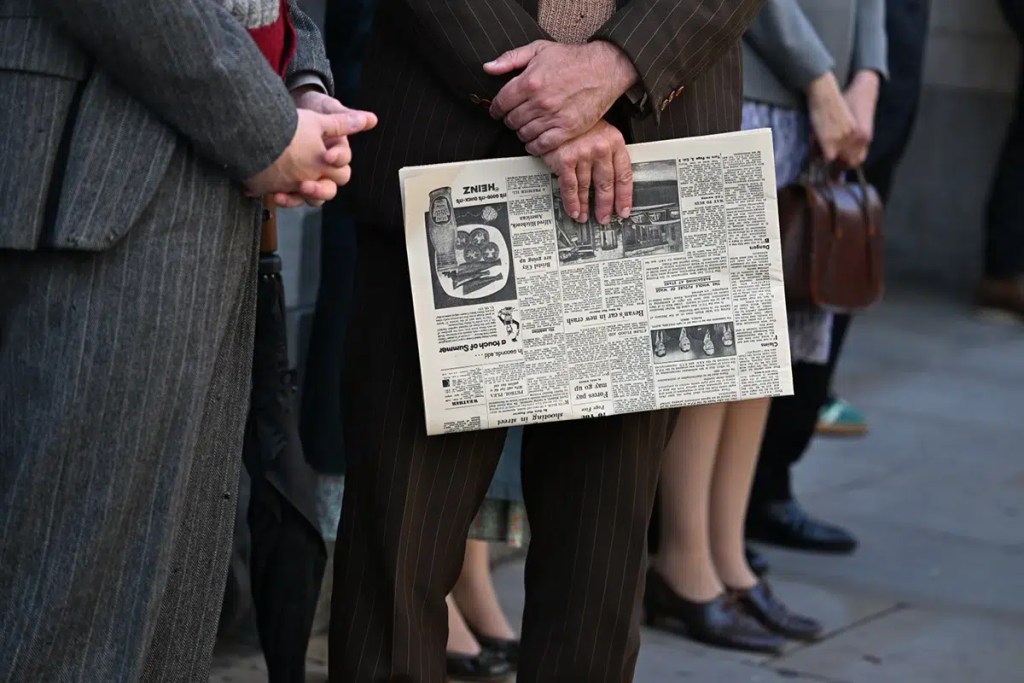
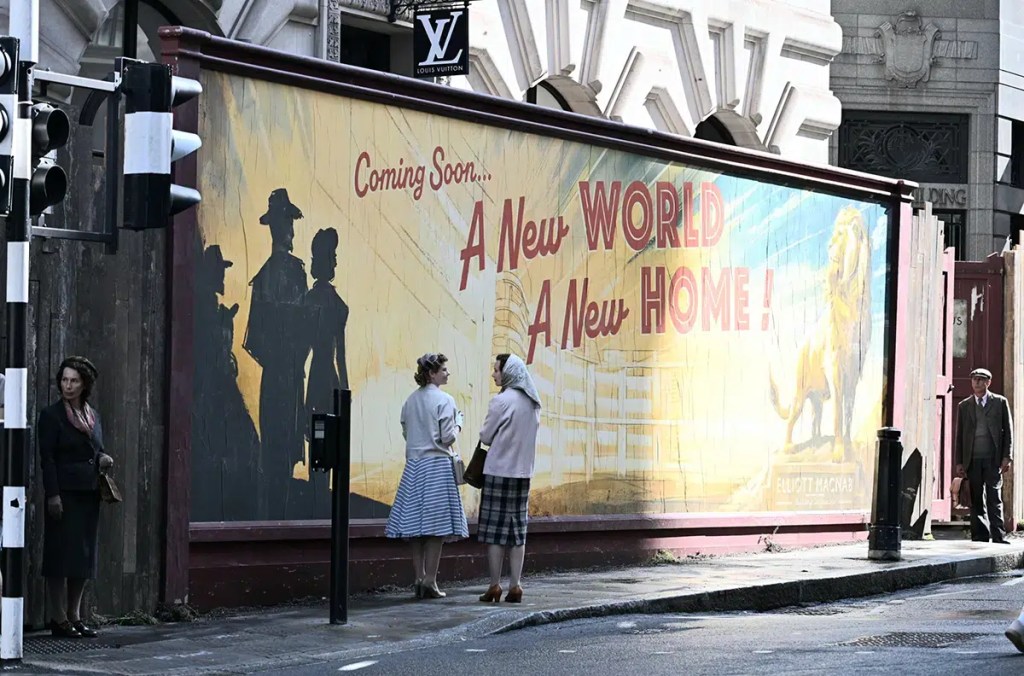
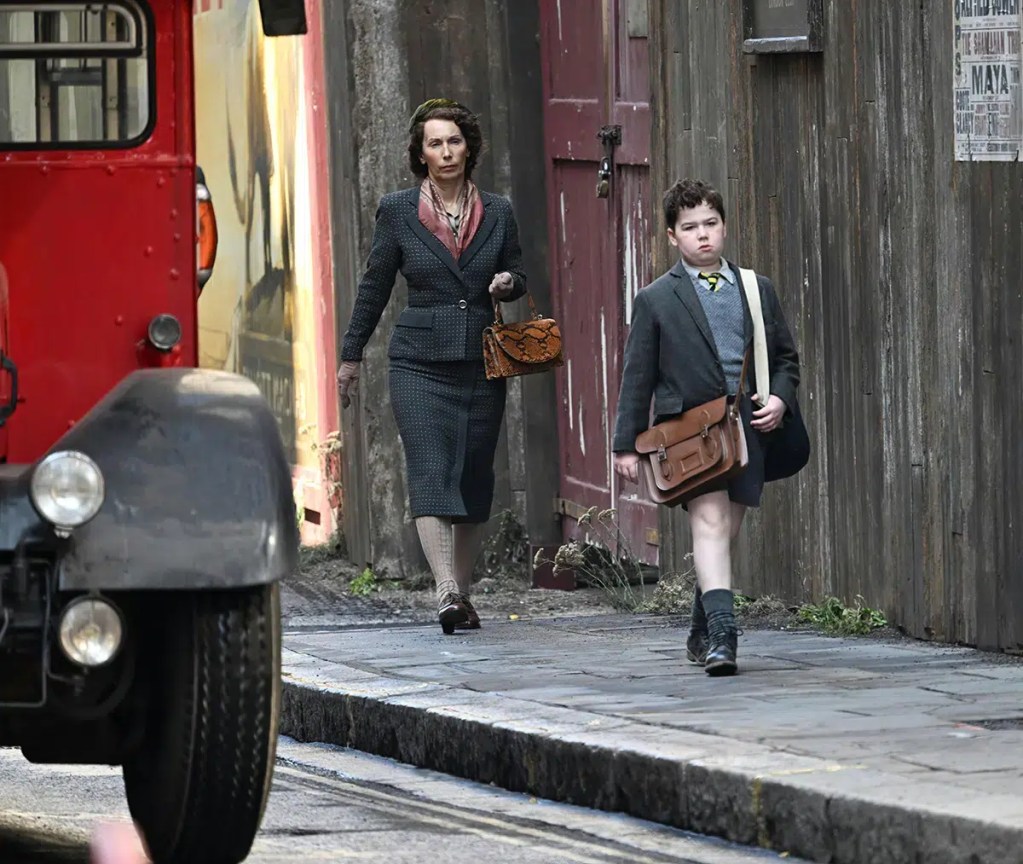
One of the most significant changes Gerwig is making to Lewis’s source material is updating the setting from the original late Victorian era to the 1950s. Set photos from the London filming locations show elaborate period recreations of 1950s Britain, complete with vintage posters advertising musical acts and boxing tournaments at venues like The Northfield Club and Steapleton Empire.
This time shift isn’t just cosmetic — it has major implications for the entire franchise. If “The Magician’s Nephew” is set in the 1950s, then “The Lion, the Witch and the Wardrobe,” originally anchored in World War II, would logically shift to the early 2000s when adapted for future films. This modernization could help contemporary audiences connect more directly with the Pevensie children’s story while maintaining the series’ themes of children displaced by conflict and uncertainty.
The decision also speaks to Gerwig’s approach as a filmmaker. Just as she brought fresh perspective to “Little Women” by restructuring Alcott’s narrative and emphasizing Jo’s artistic struggles, she’s finding ways to make Lewis’s 70-year-old stories feel immediate and relevant to modern viewers.
Check out all the behind the scene photos here:

Netflix’s Biggest Theatrical Gambit
Perhaps the most surprising aspect of this Narnia reboot isn’t creative but business-related. In an unprecedented move for the streaming giant, “The Chronicles of Narnia” will receive a wide theatrical release before landing on Netflix. The film is scheduled to play on approximately 1,000 IMAX screens starting Thanksgiving Day (November 26) 2026, followed by its Netflix debut on Christmas Day 2026.
This represents a seismic shift in Netflix’s traditionally streaming-first approach. While the platform has given limited theatrical releases to prestige titles for awards consideration, this marks their first major wide release designed to capitalize on box office revenue rather than simply qualify for industry recognition.
The decision reflects both Netflix’s confidence in Gerwig’s vision and the streaming service’s recognition that certain properties — particularly big-budget fantasy franchises — benefit from the communal theatrical experience. It also suggests Netflix is serious about building Narnia into a long-term franchise that can compete with Disney’s Marvel and Star Wars properties.
Learning from Past Mistakes
The road to this reboot has been long and winding. After Disney’s initial Narnia trilogy began strongly with 2005’s “The Lion, the Witch and the Wardrobe” (which earned over $745 million worldwide), the franchise quickly lost steam. “Prince Caspian” (2008) and “The Voyage of the Dawn Treader” (2010) received increasingly poor reviews and diminishing box office returns, effectively killing the series before it could adapt Lewis’s complete seven-book saga.
Netflix acquired the rights to the entire Chronicles of Narnia library in October 2018, making the streaming service announcement that they would develop both films and series based on Lewis’s work. Nearly seven years later, that ambitious promise is finally becoming reality, but the long development process appears to have been worth the wait.
By choosing Gerwig to helm the reboot, Netflix has signaled their intention to approach the material with the same thoughtfulness and creative intelligence she brought to “Lady Bird,” “Little Women,” and “Barbie.” Each of those films demonstrated Gerwig’s ability to find fresh angles on familiar stories while respecting what made the source material beloved in the first place.
Production Moving Forward
With filming now officially underway, the project has reached a crucial milestone after years of speculation and development. The production is expected to shoot across South and Southeast England, including portions at the renowned Shepperton Studios, with filming likely to wrap in early 2026 based on the planned late 2026 release date.
The decision to film primarily in England is both practical and thematic. London serves as a crucial setting in “The Magician’s Nephew,” and the UK’s film industry infrastructure makes it an ideal base for the ambitious fantasy production. More importantly, filming in Lewis’s homeland adds authenticity to the adaptation of the Oxford professor’s most famous work.
What This Means for the Future
If successful, Gerwig’s “Chronicles of Narnia” could launch a massive multimedia franchise for Netflix. Lewis’s seven-book series offers rich material for multiple films, and the streaming service has already indicated their interest in developing both films and series within the Narnia universe.
The books’ relatively short length means each could realistically be adapted as a single film, but Gerwig and Netflix may choose to expand certain stories or combine elements from multiple books to create more substantial theatrical experiences. The interconnected nature of Lewis’s stories also provides numerous opportunities for character crossovers and shared universe storytelling.
More immediately, the success or failure of this first film will determine whether Netflix’s expensive gamble on theatrical releases pays off. If “The Chronicles of Narnia” performs well in both theaters and on the platform, it could signal a new hybrid distribution model for the streaming service’s biggest-budget content.
A Fresh Start for a Beloved World
As production continues and the November 2026 release date approaches, anticipation continues to build for what could be a definitive adaptation of Lewis’s beloved fantasy series. Gerwig’s track record suggests she’ll find ways to honor the source material while bringing her own distinctive voice to the magical world of Narnia.
The combination of A-list talent, Netflix’s resources, and Gerwig’s creative vision has the potential to create something truly special — a Narnia adaptation that could introduce Lewis’s timeless themes of courage, redemption, and wonder to a new generation while satisfying longtime fans who have been waiting decades for these stories to receive the treatment they deserve.
Whether this ambitious reboot can succeed where previous adaptations stumbled remains to be seen, but one thing is certain: with Greta Gerwig at the helm, “The Chronicles of Narnia” is in exceptionally capable hands. The magic is about to begin anew.