As Kathleen Kennedy prepares to step down as president of Lucasfilm, she’s speaking candidly about one of the most challenging aspects of her tenure: protecting women and people of color from a small but vocal segment of the Star Wars fanbase that has weaponized online harassment against diverse representation in the beloved franchise.
In a revealing interview with Deadline, Kennedy didn’t mince words about the reality facing women who enter the Star Wars universe, whether as actors, directors, or creative leads. Her honesty reflects both the ongoing struggle for inclusive storytelling in major franchises and her commitment to preparing newcomers for the unfortunately predictable backlash they may face.
“I’m Honest, Especially With the Women”
When asked how she handles bringing new talent into the Star Wars universe, Kennedy emphasized her straightforward approach, particularly with women who have been disproportionately targeted by online harassment.
“I’m honest, especially with the women that come into this space because they unfairly get targeted,” Kennedy explained. “I don’t try to sugarcoat it. And I emphasize that it’s a very small group of people, with loud megaphones. I truly do not believe that it’s the majority of the fans.”
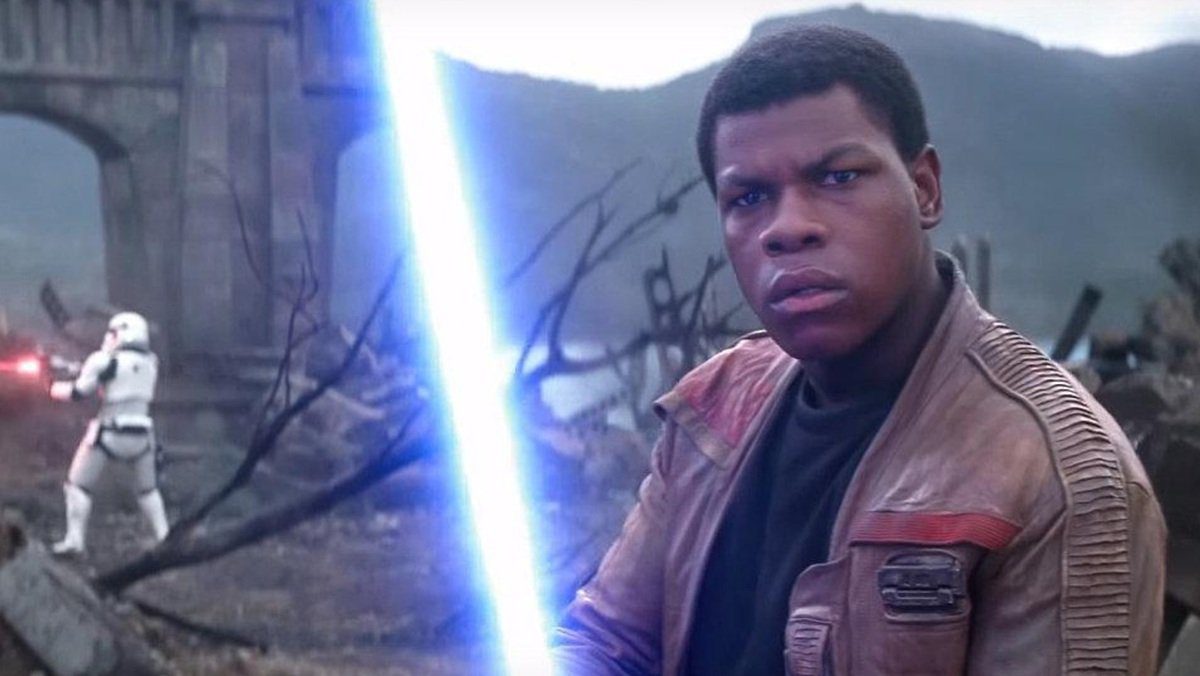
This acknowledgment is significant coming from someone who has overseen the franchise through some of its most contentious periods. Kennedy isn’t dismissing the toxic behavior or pretending it doesn’t exist—she’s naming it clearly while also contextualizing it as the work of a minority, not representative of Star Wars fandom as a whole.
She continued: “And I think we’re also in this weird world where bots can affect things. You have to develop a tough skin. That is exactly right. That’s what you have to do. You can’t make it go away.”
The Reality of Creating While Under Attack
Kennedy’s approach reflects a pragmatic understanding of the current media landscape, where online harassment campaigns can be amplified by bot networks and organized bad-faith actors. Her advice to newcomers is stark but necessary: develop resilience, because the harassment won’t disappear simply by wishing it away.
“All we can do is put our heads down and do the work and believe that we’re doing the best we can, telling the best story we can,” she said. “And if somebody gets really nervous about it and doesn’t want to do it, I say, then don’t do it because I can’t tell you this won’t happen.”
This last point is particularly important. Kennedy isn’t forcing anyone into an untenable situation. She’s being transparent about what they’ll face and allowing them to make informed decisions about whether they’re prepared to handle that pressure. It’s a rare moment of honesty in an industry that often glosses over the very real costs of being a woman or person of color in high-profile franchise roles.
A Pattern of Targeted Harassment
The harassment Kennedy describes isn’t hypothetical or exaggerated—it’s been documented repeatedly across multiple Star Wars projects, particularly those featuring women and people of color in leading roles.
The Acolyte, which featured Amandla Stenberg as its lead, faced a deluge of negative reviews before it even premiered. While some criticism focused on storytelling choices, much of the discourse on social media devolved into racist attacks directly targeting Stenberg, a Black woman. Comments accused the show of “completely disrespecting George Lucas’ vision” and dismissed it as “nothing but terrible writing, terrible acting, just terrible”—language that went beyond legitimate critique into coordinated harassment.
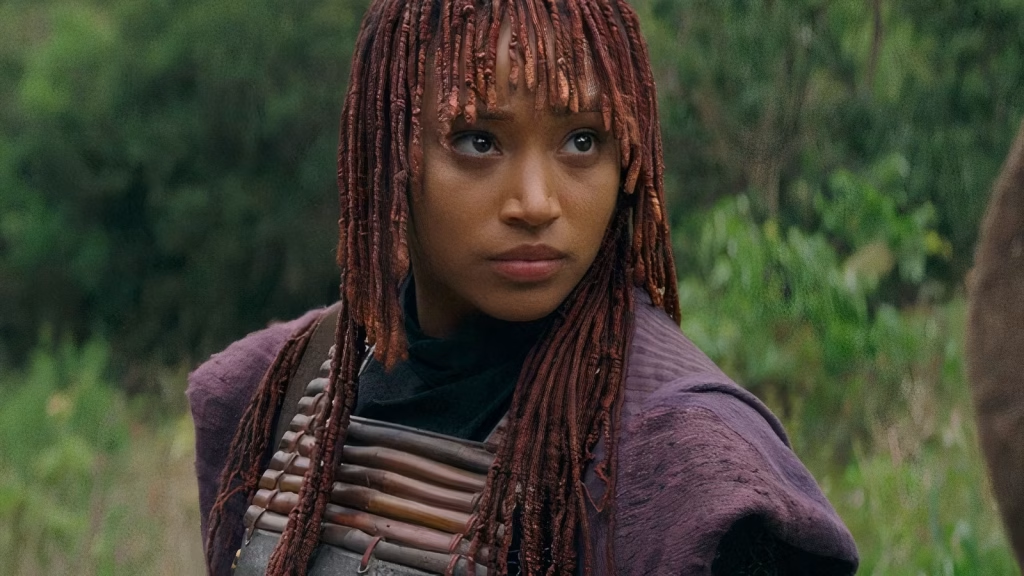
This wasn’t an isolated incident. Moses Ingram, who played the Inquisitor Reva in Obi-Wan Kenobi, faced such intense racist harassment that Lucasfilm and her co-stars felt compelled to publicly defend her. Kennedy revealed at the time that Ingram had been warned this might happen, a disturbing but necessary preparation for the toxicity she would face simply for being a Black woman in a prominent Star Wars role.
Even John Boyega, who played Finn across the sequel trilogy, has spoken about the racist backlash he experienced, with some fans expressing outrage that a Black man was cast as a lead character in Star Wars. His character was also notably sidelined in later films, a decision that frustrated many fans who felt the character’s potential was wasted.
Not All Projects Face Equal Scrutiny
Interestingly, not all projects featuring women have received the same level of vitriol. Kennedy noted that Daisy Ridley’s role as Rey Skywalker and her upcoming film, along with the Ahsoka series, have largely avoided the most toxic responses. This suggests the harassment isn’t simply about women appearing in Star Wars—it’s more specifically targeted at projects that center women and people of color in ways that challenge traditional franchise dynamics.
The difference may lie in how these characters are positioned within the narrative. Ahsoka had the benefit of being an established character from The Clone Wars animated series with an existing fanbase. Daisy Ridley’s Rey, while controversial for other reasons related to story choices in the sequel trilogy, was positioned as a successor to Luke Skywalker in a way that felt like a continuation of established legacy.
Projects like The Acolyte, which explored new corners of Star Wars lore with a diverse cast in central roles, seemed to trigger more intense backlash from those resistant to the franchise’s evolution.
The “Safe” Films and What They Reveal
Kennedy’s departure comes as Lucasfilm prepares to release two films that could be considered demographically “safer” by those who prefer traditional Star Wars: The Mandalorian & Grogu starring Pedro Pascal, and Starfighter featuring Ryan Gosling. Both films center white male characters in leading roles—a stark contrast to the diverse-led projects that have faced the most intense harassment.
The question of how these films will be received by audiences and critics compared to more diverse offerings will be telling. Will they receive benefit-of-the-doubt reviews and less coordinated negative campaigns? If so, it will further validate Kennedy’s assessment that certain creators and performers are held to different standards based on their gender and race.
This isn’t to suggest that these films don’t deserve success on their own merits. Rather, it’s to acknowledge that the playing field isn’t level, and that women and people of color working in major franchises face obstacles their white male counterparts simply don’t encounter to the same degree.
Beyond Star Wars: An Industry-Wide Issue
While Kennedy’s comments focus on Star Wars, this problem extends far beyond one franchise. The final season of Stranger Things recently sparked similar conversations when some fans felt entitled to dictate creative decisions. The MCU has dealt with harassment campaigns against films like The Marvels and She-Hulk. Doctor Who has faced backlash for casting Ncuti Gatwa as the first Black Doctor.
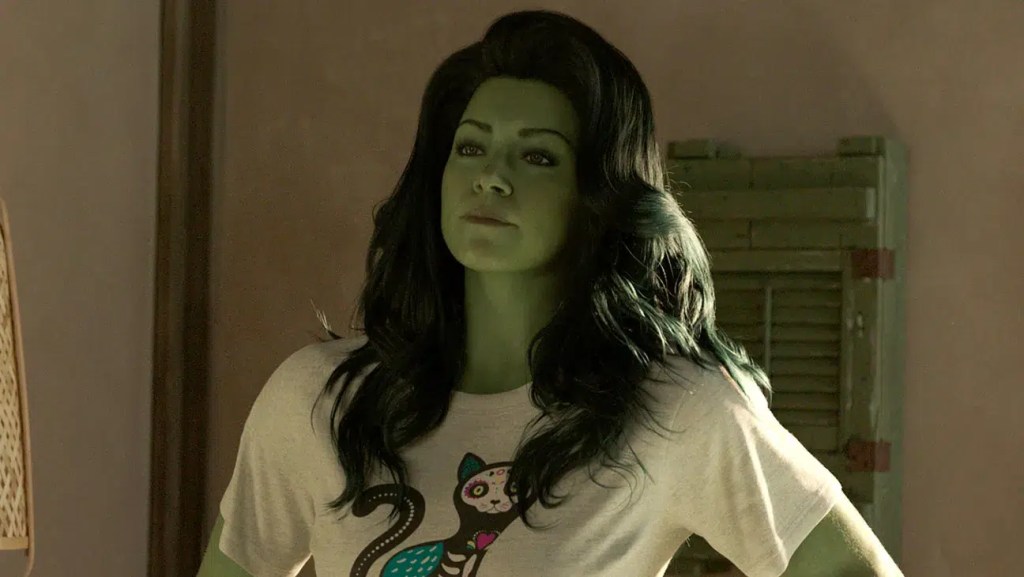
The pattern is clear: when major franchises attempt to diversify their casts and creative teams, a subset of fans responds with coordinated harassment disguised as legitimate criticism. And because these voices are amplified by algorithms, bots, and engagement-driven media coverage, they can create the false impression of widespread dissatisfaction when, as Kennedy notes, they represent a small minority.
The Cost of Progress
What makes Kennedy’s honesty particularly valuable is her refusal to pretend this harassment doesn’t exact a real cost. When she tells newcomers they need to “develop a tough skin,” she’s acknowledging that entering Star Wars as a woman or person of color requires additional emotional labor and resilience that shouldn’t be necessary.
The entertainment industry often celebrates diversity initiatives without acknowledging the burden placed on those diverse hires to endure harassment while simultaneously being expected to perform at the highest level. Kennedy’s transparency about these challenges is a small but meaningful step toward holding the industry accountable for creating safer working conditions.
What Comes Next
As Kennedy prepares to transition out of her role leading Lucasfilm, her successor will inherit both the incredible creative potential of the Star Wars universe and the ongoing challenge of protecting diverse talent from targeted harassment. The question is whether Lucasfilm and Disney will continue Kennedy’s approach of honest preparation and public support, or whether they’ll retreat to “safer” creative choices that avoid controversy by avoiding genuine representation.
The next few years of Star Wars releases will provide some answers. If the franchise continues to diversify its storytelling and creative teams while actively protecting those individuals from harassment, it will signal a commitment to making Star Wars truly inclusive. If it pulls back toward traditional demographics in response to online toxicity, it will demonstrate that the harassers’ campaigns are working.
The Larger Fight for Inclusive Storytelling
Kennedy’s comments are ultimately about more than Star Wars—they’re about who gets to tell stories in our most beloved cultural franchises, and who gets to see themselves reflected as heroes in those stories. The resistance to women and people of color in prominent franchise roles isn’t really about “respecting George Lucas’ vision” or maintaining story quality. It’s about power, representation, and who gets to define what these universes can be.
The fact that a “small group with loud megaphones” can create such significant obstacles for women and people of color in major franchises is a problem that extends far beyond individual projects or even individual studios. It requires industry-wide commitment to supporting diverse talent, amplifying positive fan voices, and refusing to let toxic minorities dictate creative decisions through harassment.
As Kennedy steps away from Lucasfilm, her legacy will include not just the films and shows produced under her leadership, but also her willingness to speak plainly about the challenges women face in franchise entertainment. That honesty, uncomfortable as it is, may ultimately prove more valuable than any single Star Wars project.
Because until we can honestly name the problem, we can’t effectively fight it. And until every talented person—regardless of gender or race—can enter beloved franchises without needing to “develop a tough skin” against harassment, we haven’t truly made these universes as inclusive as they should be.
The fight continues. And as Kennedy has made clear, the solution isn’t to retreat—it’s to keep doing the work, telling the best stories possible, and refusing to let a loud minority dictate who gets to participate in shaping the galaxy far, far away.