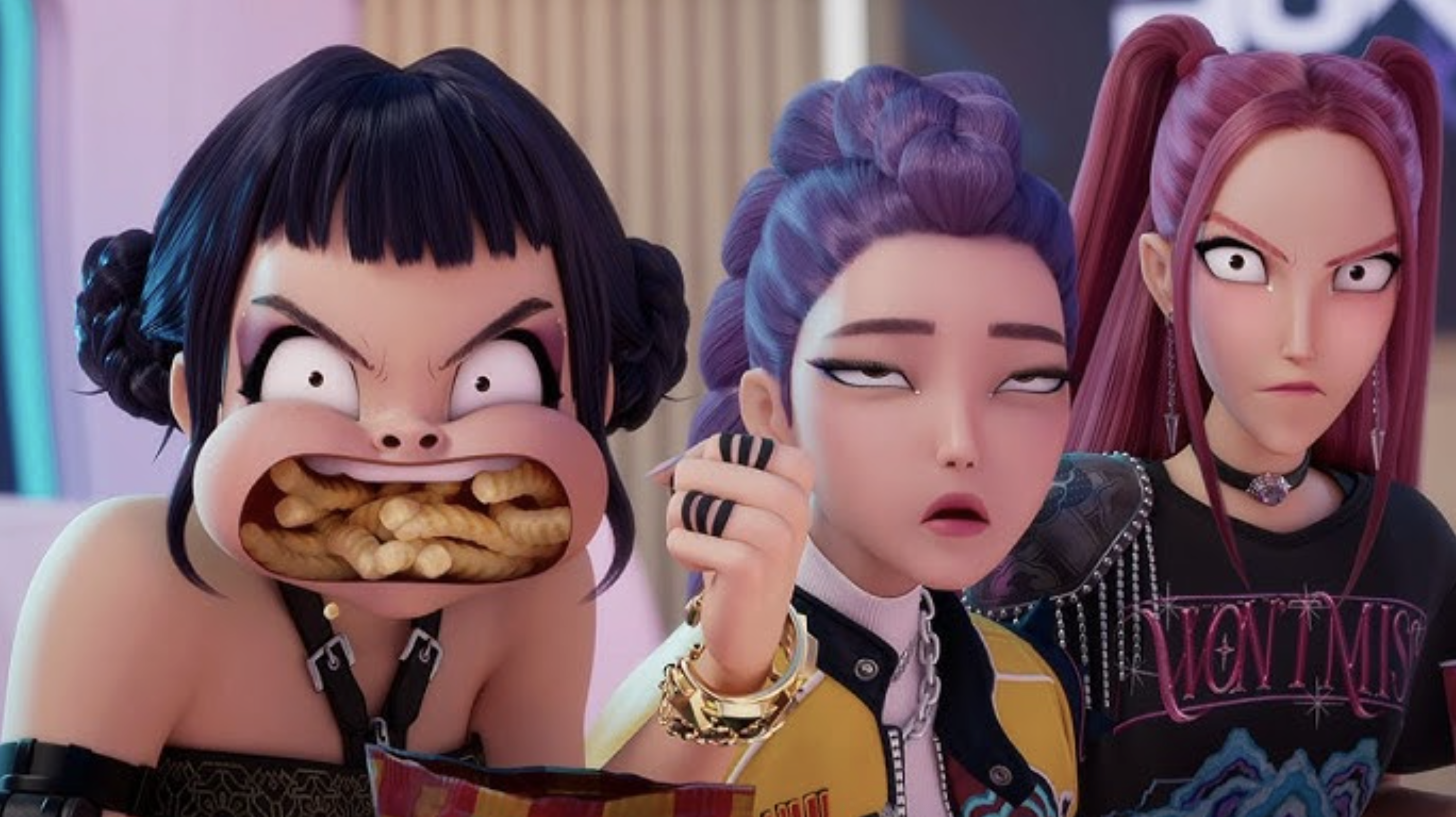
Netflix’s animated sensation “KPop Demon Hunters” may be poised to dominate the 2026 awards season, but the streaming giant has hit an unexpected roadblock. Despite breaking viewership records and becoming a cultural phenomenon, the fantasy musical has been officially ruled ineligible for the prestigious BAFTA Film Awards.
A Record-Breaking Summer Blockbuster
“KPop Demon Hunters” transformed Netflix’s summer lineup, shattering the platform’s all-time viewership record while simultaneously dominating music charts with its infectious soundtrack. The animated feature follows a trio of K-pop stars who moonlight as demon hunters, blending high-energy musical numbers with supernatural action in a formula that resonated with global audiences.
The film’s breakout hit single “Golden” has become a cultural touchstone, securing the movie’s position as a strong contender for Best Original Song at the 2026 Oscars—a particularly competitive category this year alongside submissions from “Wicked: For Good” and “Sinners.”
Oscar Frontrunner Meets BAFTA Rejection
Industry insiders widely consider “KPop Demon Hunters” the presumptive winner of the 2026 Oscar for Best Animated Feature, positioning it miles ahead of Disney’s “Zootopia 2” and quieter releases such as Neon’s forthcoming “Arco.” The film also has a clear path to claiming Best Animated Feature at the 2026 Golden Globes.
However, the British Academy of Film and Television Arts (BAFTA) has delivered disappointing news for the Netflix production. Like Oscar eligibility requirements in the United States, BAFTA rules mandate a qualifying theatrical release in the UK for films competing in top categories. While “KPop Demon Hunters” received a limited theatrical run before its Netflix debut in the U.S., it went directly to streaming in other international markets, including the UK.
Netflix’s Failed Appeal
According to Deadline, Netflix didn’t accept this outcome without a fight. The streaming service formally appealed to the British Academy, hoping to secure an exemption under rules that allow for “exceptional circumstances.” The company argued that the film’s cultural impact and massive viewership should warrant special consideration.
The appeal was ultimately rejected due to the brief duration of the movie’s theatrical presence—limited to the end of August and Halloween weekend—which included some UK locations but failed to meet BAFTA’s qualifying standards. The decision underscores ongoing tensions between traditional theatrical distribution models and streaming-first release strategies.
Box Office Performance and Franchise Potential
Despite its streaming-centric release strategy, “KPop Demon Hunters” has generated $24.6 million in worldwide box office revenue from its two limited weekend releases. While modest compared to traditional theatrical blockbusters, this figure represents impressive returns for what was essentially a supplementary theatrical run.
Netflix is already planning “KPop Demon Hunters 2” for a 2029 release and may be reconsidering its distribution approach. A more substantial theatrical release ahead of the sequel’s streaming debut could guarantee eligibility for all major awards ceremonies, potentially avoiding similar complications in future awards cycles.
The BAFTA Competition Moves Forward
With “KPop Demon Hunters” out of contention, the BAFTA Best Animated Film category will consider alternative entries including “Little Amélie or the Character of Rain,” “In Your Dreams,” and “Ne Zha 2.” The winner in this category could provide fascinating insight into how the animated feature race might have unfolded if “KPop Demon Hunters” hadn’t secured early frontrunner status through massive audience support.
A Minor Setback in a Triumph
While missing out on BAFTA recognition is certainly a disappointment for Netflix and the film’s creative team, it’s difficult to view this as a significant loss given the movie’s overwhelming success across other metrics. “KPop Demon Hunters” has earned adoration from critics and audiences alike, positioned itself to collect numerous other prestigious awards, and established the foundation for what appears to be a highly lucrative franchise with staying power for years to come.
The situation highlights the evolving landscape of film distribution and awards eligibility in the streaming era. As platforms like Netflix continue prioritizing direct-to-streaming releases while selectively incorporating theatrical components, navigating the complex requirements of international awards bodies remains an ongoing challenge—even for record-breaking hits like “KPop Demon Hunters.”