Netflix Makes History with Unprecedented Dual Toy Deal for KPop Demon Hunters
In a move that’s rewriting the playbook for streaming merchandising, Netflix has secured what it’s calling an “industry-first” deal by partnering with both Mattel and Hasbro to flood toy store shelves with products based on its surprise smash hit “KPop Demon Hunters.”
The groundbreaking arrangement names both toy giants as global co-master toy licensees—an unprecedented structure that gives each company exclusive rights to develop, manufacture, and distribute products across different categories starting in 2026. It’s a testament to both the film’s explosive popularity and Netflix’s growing ambitions in the lucrative consumer products space.
From Surprise Hit to Merchandising Phenomenon
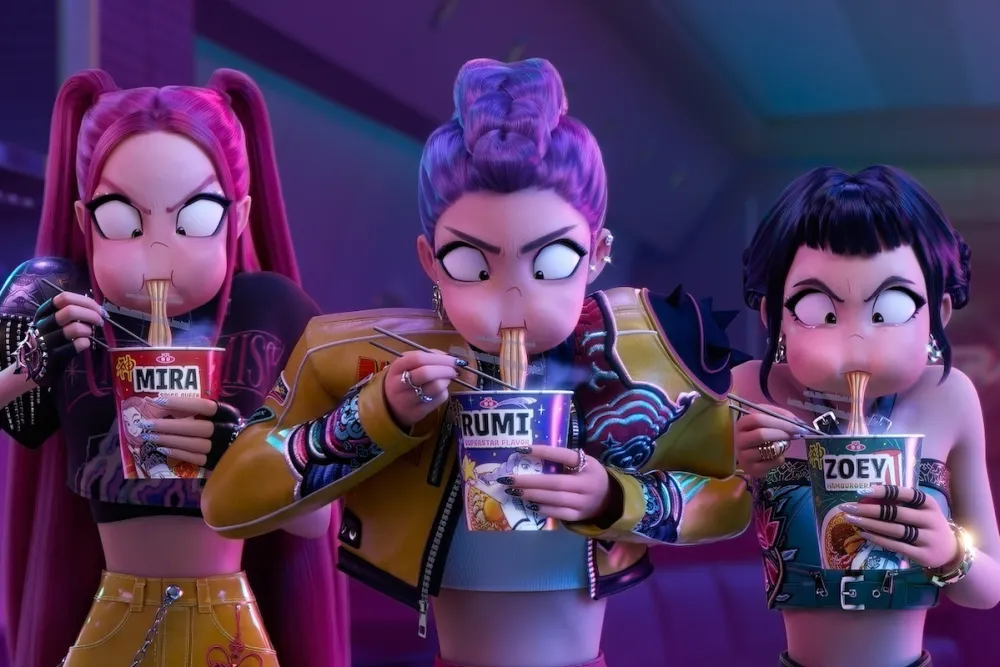
When “KPop Demon Hunters” dropped on Netflix last summer, nobody—not even the streaming giant itself—anticipated the cultural juggernaut it would become. The animated film about demon-fighting K-pop idols Rumi, Mira, and Zoey became the most popular film in Netflix’s history, sparking what the company describes as a “global fan frenzy” involving “dancing, singing and more screaming than anyone was emotionally prepared for.”
The unexpected success left Netflix scrambling to meet consumer demand. Working quickly, the company partnered with Spirit Halloween to deliver costumes in time for this year’s spooky season. But costumes were just the beginning of what fans wanted—they demanded dolls, games, collectibles, and merchandise across every category imaginable, making their desires “not-so-subtly” known on “every social platform known to humanity,” as Netflix CMO Marian Lee put it.
Two Giants, One Franchise
Rather than choosing between Mattel and Hasbro, Netflix took the unprecedented step of bringing both aboard, carving out complementary product categories for each.
Mattel’s portfolio will span multiple categories including dolls, action figures, accessories, collectibles, play sets, and co-branded collaborations—the bread and butter of character merchandising that has made the company’s Barbie and Hot Wheels lines household names.
Hasbro’s lineup will focus on special feature plush, youth electronics, role play items, and other categories that leverage the company’s expertise in interactive toys and games. The first product to hit shelves will be a special “KPop Demon Hunters” edition of Monopoly Deal, shipping in January 2026, with additional products rolling out throughout the year and into the holiday season.
“HUNTR/X showed us that a truly great trio is more than the sum of its parts,” said Lee, invoking the film’s fictional entertainment company. “Netflix, Mattel and Hasbro joining forces on this first-of-its-kind collaboration means fans can finally get their hands on the best dolls, games and merchandise they’ve been demanding. As Rumi, Mira and Zoey say — for the fans!”
Netflix’s Consumer Products Evolution
The deal represents a major milestone for Netflix’s relatively young consumer products division. While traditional media companies like Disney have spent decades building merchandising empires, Netflix is still establishing its presence in the space. “KPop Demon Hunters” provides the perfect vehicle for expansion—a genuine cultural phenomenon with passionate fans actively demanding products.
The economics are compelling. Consumer products represent a lucrative revenue stream where licensing partners foot most of the bill for development, manufacturing, and distribution. Not only are the profit margins strong, but physical products also enhance brand affinity, keeping franchises top-of-mind long after the credits roll.
Netflix owns the intellectual property rights to “KPop Demon Hunters,” including consumer products, despite the film being produced by Sony Pictures as part of a slate deal. Sony Pictures CEO Ravi Ahuja confirmed last month that while Sony retains some music rights (the soundtrack has become a phenomenon in its own right), Netflix controls the broader IP. The streaming giant has since brought the film to theaters and is in talks with Sony about producing a sequel.
Industry Partners Celebrate the Opportunity
For Mattel and Hasbro, the deal represents a chance to tap into a white-hot property with genuine cross-generational and international appeal.
“We’re thrilled to deepen our partnership with Netflix through the record-shattering, chart-topping KPop Demon Hunters,” said Roberto Stanichi, Mattel’s chief global brand officer. “Celebrating the breakout characters at the heart of the film, Mattel will harness our world-class design, creative and marketing expertise to introduce a broad range of products across major categories to the delight of fans around the world.”
Tim Kilpin, president of toy, licensing and entertainment at Hasbro, emphasized the franchise’s cultural resonance: “KPop Demon Hunters is a powerful pop culture phenomenon with global resonance — one that aligns seamlessly with our portfolio of iconic brands and our commitment to innovation. This collaboration with Netflix enables us to bring the film’s dynamic universe to life beyond the screen, offering fans immersive new ways to engage through play.”
Why This Deal Matters
The co-master licensee structure is genuinely novel in an industry that typically operates on exclusive partnerships. By dividing product categories between two competitors, Netflix maximizes both companies’ strengths while ensuring comprehensive market coverage. Mattel gets to leverage its dominance in dolls and collectibles, while Hasbro can deploy its expertise in games and interactive play experiences.
This approach also hedges Netflix’s bets. If one partner underperforms in their categories, the other can still drive success. And by giving both Mattel and Hasbro skin in the game, Netflix ensures that two of the industry’s biggest players are invested in the franchise’s success.
For the toy industry more broadly, the deal signals that streaming platforms are becoming serious players in merchandising—not just content creators hoping for licensing deals, but strategic partners capable of structuring complex, multi-party arrangements that challenge traditional models.
The Road Ahead
With products launching throughout 2026 and beyond, “KPop Demon Hunters” is positioned to maintain cultural relevance well past its initial Netflix debut. The combination of theatrical releases, potential sequels, and now comprehensive merchandising creates a self-reinforcing cycle where each element amplifies the others.
For Netflix, the deal validates its strategy of building franchises that extend far beyond streaming. For Mattel and Hasbro, it’s a chance to ride one of the hottest properties in entertainment. And for fans who’ve been demanding merchandise since last summer?
As Rumi, Mira, and Zoey would say: it’s all for them.