The landscape of PC gaming is shifting, and Valve is positioning itself not just as a storefront, but as the architect of its future.
In a major push to define the next generation of gaming hardware, the company has unveiled a trio of new devices: a next-generation Steam Machine, a revolutionary new Steam Controller, and the impressive Steam Frame VR headset. Together with the wildly successful Steam Deck, these products form a cohesive and powerful ecosystem designed to free players from the constraints of traditional platforms. This isn’t just a product launch; it’s Valve’s master plan to become the undeniable face of PC gaming.
The Steam Machine: A Second Chance, Powered by Proton
A decade after the first Steam Machines fizzled out, Valve is taking another swing with a powerful new console-like PC. The original concept failed largely due to a critical lack of game compatibility, as it relied solely on native Linux ports. This time, Valve has a secret weapon: Proton.

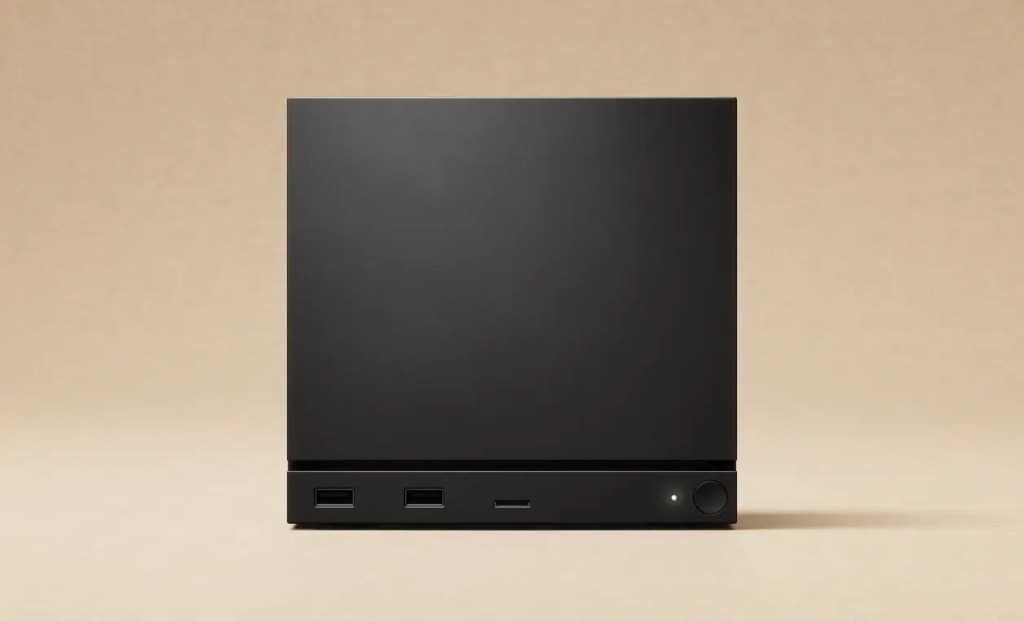
Proton is the compatibility layer that powers the Steam Deck, allowing Windows games to run seamlessly on the Linux-based SteamOS. In the years since its introduction, Proton has matured into a remarkably robust solution, supporting a vast library of games. This development completely neutralizes the primary weakness that doomed the first Steam Machines. The new Steam Machine will launch with the ability to run virtually any game in a user’s Steam library out of the box, combining the convenience of a console with the open library of a PC.
The Steam Frame: Redefining High-Fidelity Wireless VR
Valve is re-entering the VR arena with the Steam Frame, a successor to the Index that aims to combine the best of standalone and PC-powered virtual reality. On its own, the Steam Frame is a capable device, powered by a Snapdragon processor and running SteamOS natively. But its true innovation lies in its wireless tethering technology.
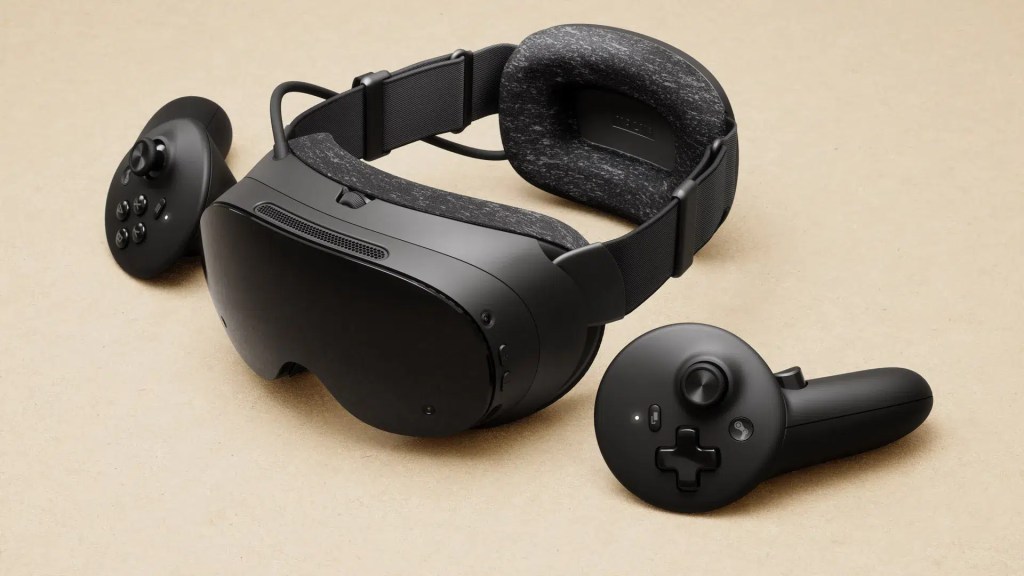
The headset comes with a USB receiver that connects to a gaming PC via a super low-latency 6GHz signal. This allows players to experience graphically intensive titles like Half-Life: Alyx without the clutter of a cable and without the perceptible lag that can cause motion sickness. This is further enhanced by foveated streaming, a technique that uses the headset’s eye-tracking to focus the wireless signal’s bandwidth on the area where the user is directly looking, ensuring optimal image quality and performance without requiring developer implementation.
With comfortable, balanced ergonomics (thanks to a rear-mounted battery), sharp pancake lenses, and inside-out tracking that eliminates the need for external sensors, the Steam Frame represents a significant leap forward in making high-end VR more accessible and user-friendly.
The New Steam Controller: A Refined Vision for PC Gaming
The original Steam Controller was a bold but awkward experiment. The new model takes everything Valve learned from that device, the Steam Deck, and the Index controllers, refining it into what could be the ultimate PC gamepad.

The new Steam Controller is packed with premium features:
- TMR Magnetic Sticks: Designed to eliminate stick drift and reduce power consumption.
- Advanced Trackpads: Two highly customizable haptic trackpads for mouse-like precision.
- HD Haptics: For immersive, detailed feedback.
- Capacitive Grips: Sensors that detect when you’re holding the controller, enabling features like gyro activation.
- Four Programmable Back Buttons: For keeping your thumbs on the sticks.
During hands-on time, the controller was praised for its exceptional ergonomics and versatility. It felt natural to hold and provided a seamless way to play everything from fast-paced shooters to cursor-heavy strategy games, with deep customization available through Steam Input. It connects via a 2.4GHz dongle (which is built into the new Steam Machines) or Bluetooth, making it a versatile companion for any PC setup.
SteamOS: The Beating Heart of the Ecosystem
The glue that holds this entire ecosystem together is SteamOS. Valve’s Linux-based operating system has evolved from a niche project into a legitimate alternative to Windows for gaming. Its console-like interface is perfectly suited for a living room Steam Machine, a handheld Steam Deck, and the virtual environment of the Steam Frame.
Crucially, SteamOS represents an “un-walled garden.” Unlike closed ecosystems, SteamOS is built on open-source principles. While the Steam client itself is proprietary, the operating system is free to download and can be installed on a wide range of hardware. This means you aren’t forced to buy Valve’s hardware to participate. You can build your own living room PC and install SteamOS, or use the new Steam Controller with any computer. Valve is providing a curated, user-friendly experience with its own devices while still empowering users to forge their own path.
What About the Steam Deck 2?
With all this new hardware, the question of a Steam Deck sequel naturally arises. According to Valve, a “Steam Deck 2” is still in the pipeline, but the company is waiting for a very specific technological leap.
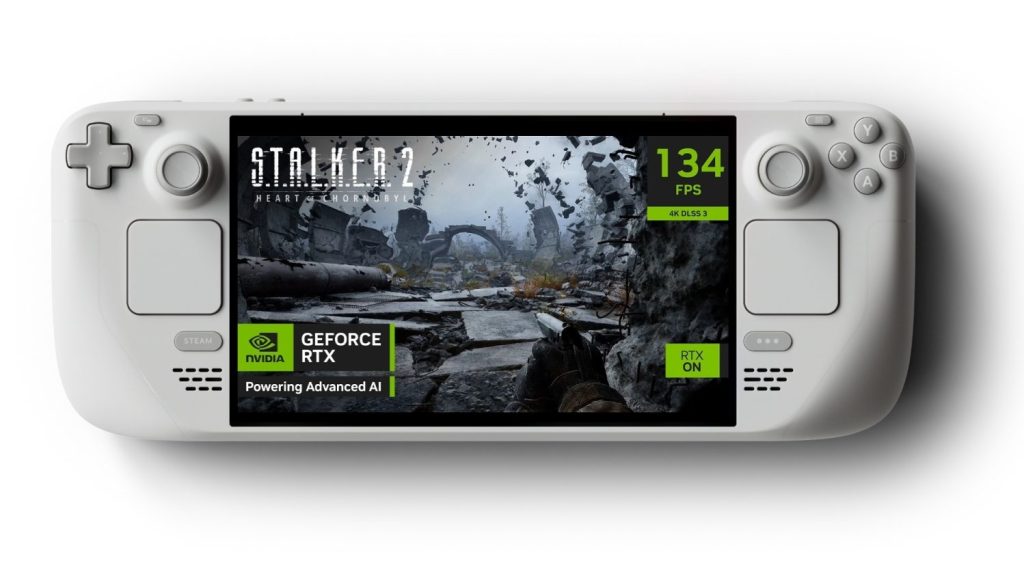
Valve software engineer Pierre-Loup Griffais explained that the team is not interested in a minor 20-50% performance bump if it comes at the cost of battery life. They are waiting for a “worthwhile enough performance upgrade” from new System-on-a-Chip (SoC) architectures that can deliver a truly next-generation experience without sacrificing the portability that defines the device. For now, the focus is on expanding the ecosystem, with the next-generation handheld coming only when the technology aligns with Valve’s high standards for a meaningful upgrade.
The Future is an Open Platform
Valve’s new hardware suite is more than the sum of its parts. It’s a statement of intent. In a world where operating systems are becoming increasingly bloated and closed ecosystems try to lock users in, Valve is betting on a future that is open, flexible, and focused purely on gaming. By leveraging the power of SteamOS and Proton, and creating hardware that works together seamlessly without forcing exclusivity, Valve is building a compelling alternative for the modern PC gamer. The un-walled garden is open for planting.