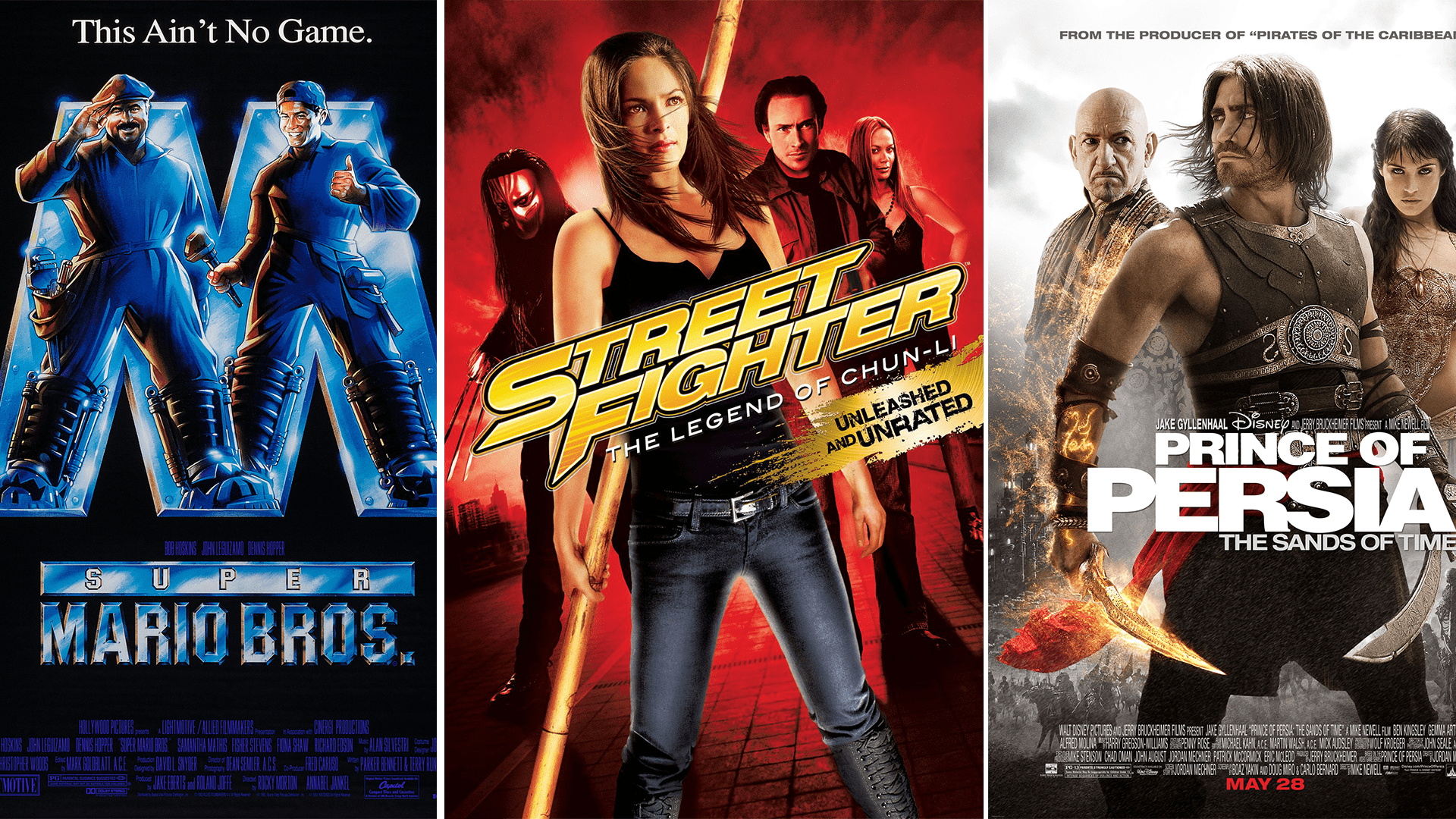
Bringing the captivating worlds of video games to life on the big and small screens has been a lofty goal for filmmakers and producers alike. However, as the realms of interactive gameplay meet the linear narratives of cinema and television, the journey from console to screen has proven to be a treacherous path. While some adaptations manage to capture the essence of the virtual realm, others fall flat in translating the magic of gaming. Join us as we venture into the realm of video game adaptations that, despite high hopes and fanfare, missed the mark when transitioning to movies and TV shows.
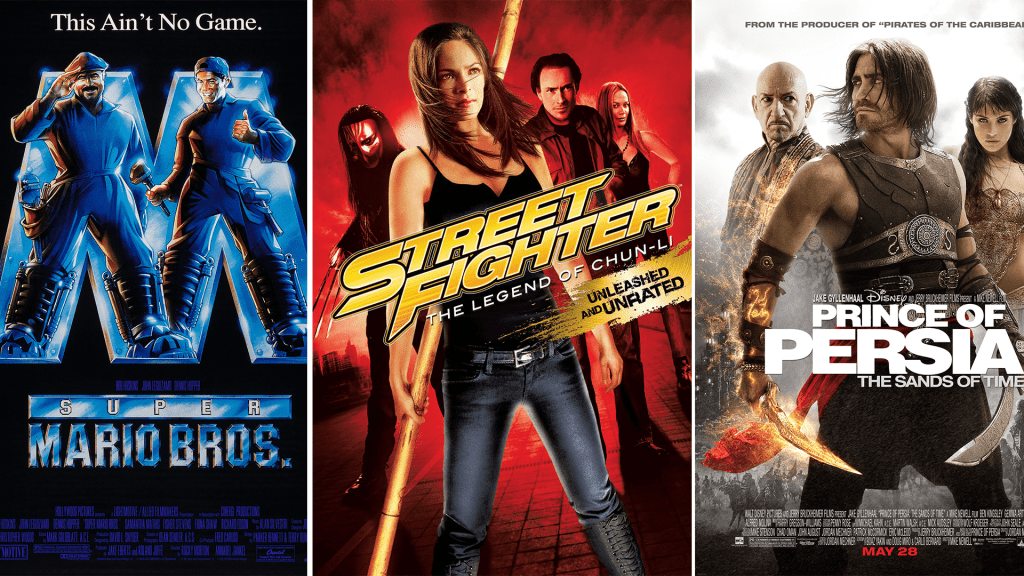
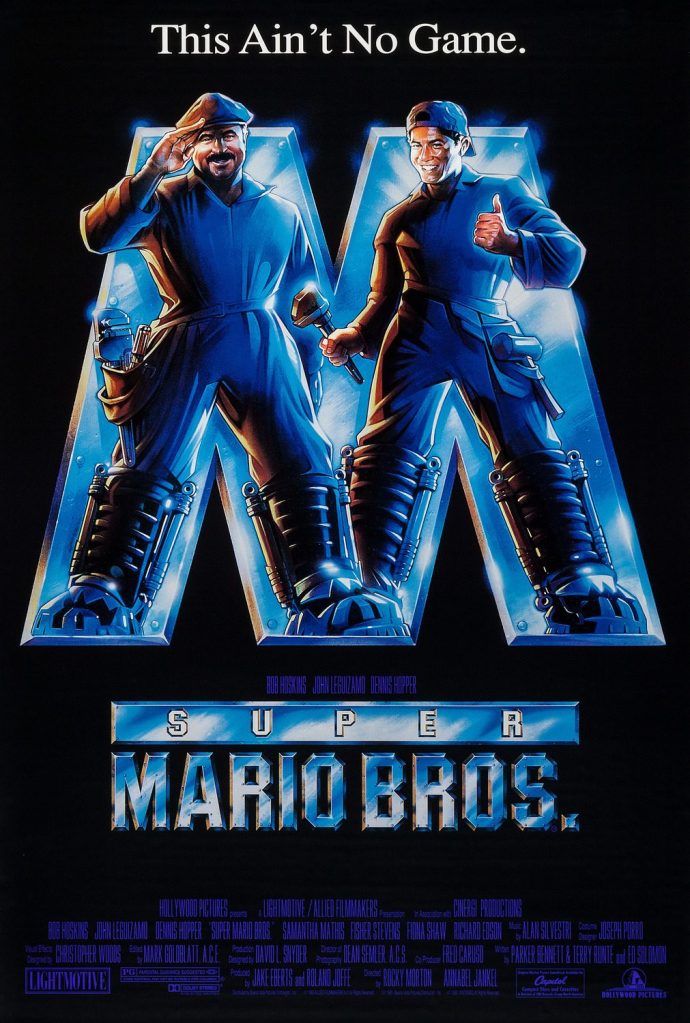
10. “Super Mario Bros.” (1993): Plumbing the Depths of Disappointment: The iconic Italian plumber made his way to the big screen in a film that deviated so far from the source material that even warp pipes couldn’t save it. “Super Mario Bros.” turned beloved characters into unrecognizable figures in a dystopian world, leaving fans bewildered and disappointed.
9. “Street Fighter: The Legend of Chun-Li” (2009): A Fighter’s Stumble: Attempting to capture the intensity of the arcade classic, this adaptation struggled to capture the heart of the “Street Fighter” universe. While action was aplenty, the film failed to translate the character dynamics and martial arts mastery that made the game a hit.

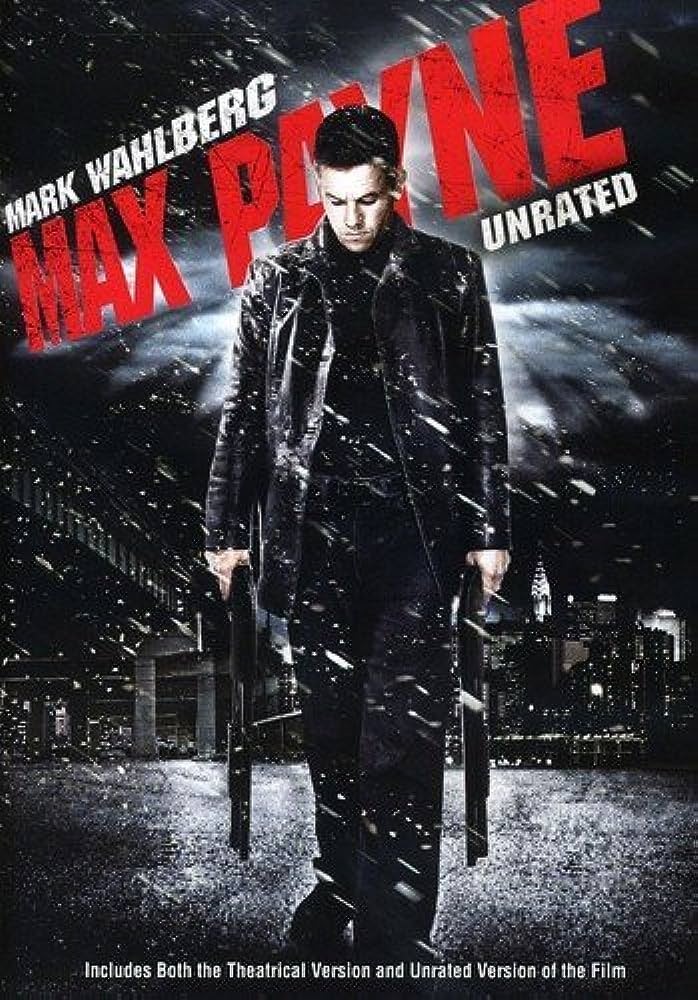
8. “Max Payne” (2008): Bullet Time Slows to a Crawl: “Max Payne” thrived on its gritty narrative and stylized gunplay, but the film adaptation struggled to replicate its neo-noir atmosphere. Lackluster storytelling and a departure from the game’s supernatural elements left fans yearning for the thrill of the virtual hunt.
7. “Resident Evil” (2002): A Franchise That Took a Wrong Turn: While the “Resident Evil” film series enjoyed commercial success, it deviated significantly from the survival horror roots that made the games a sensation. The shift to action-heavy plots and an original protagonist led to a disconnect from the source material’s eerie ambiance.

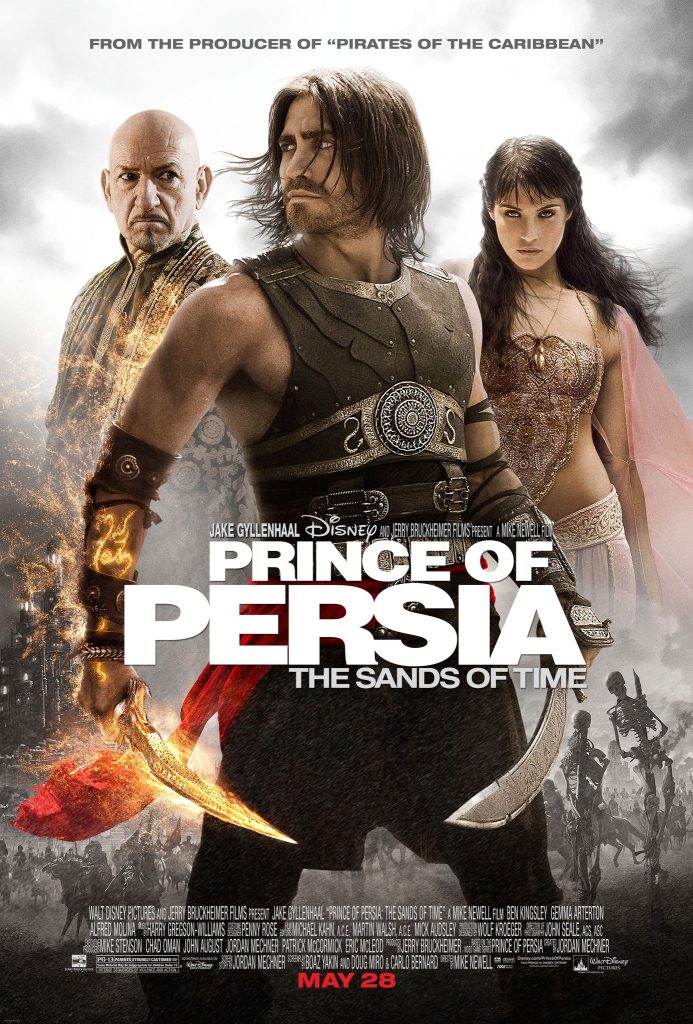
6. “Prince of Persia: The Sands of Time” (2010): Sands of Mediocrity: This adaptation sought to capture the allure of parkour and time manipulation that defined the game series. However, despite a charismatic lead, the film failed to evoke the same excitement as the virtual counterpart, leaving fans longing for the fluidity of gameplay.
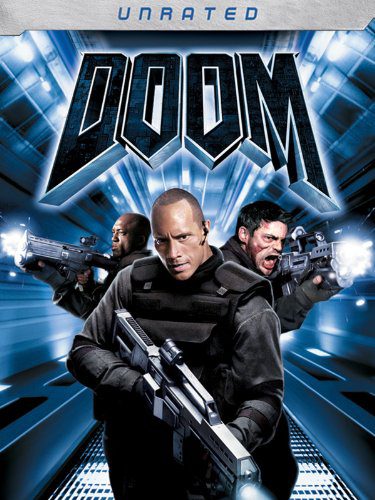
5. “Doom” (2005): Not a Hellish Success: “Doom” was known for its heart-pounding action and relentless hordes of demons. Unfortunately, the film adaptation’s narrative and horror elements fell short, turning a thrilling first-person shooter into a generic sci-fi action flick.
4. “Tomb Raider” (2001): A Bumpy Archaeological Journey: The transition of Lara Croft from the digital world to the silver screen faced mixed results. While Angelina Jolie embodied the iconic heroine, the film’s plot struggled to match the depth of the game’s adventurous exploration.

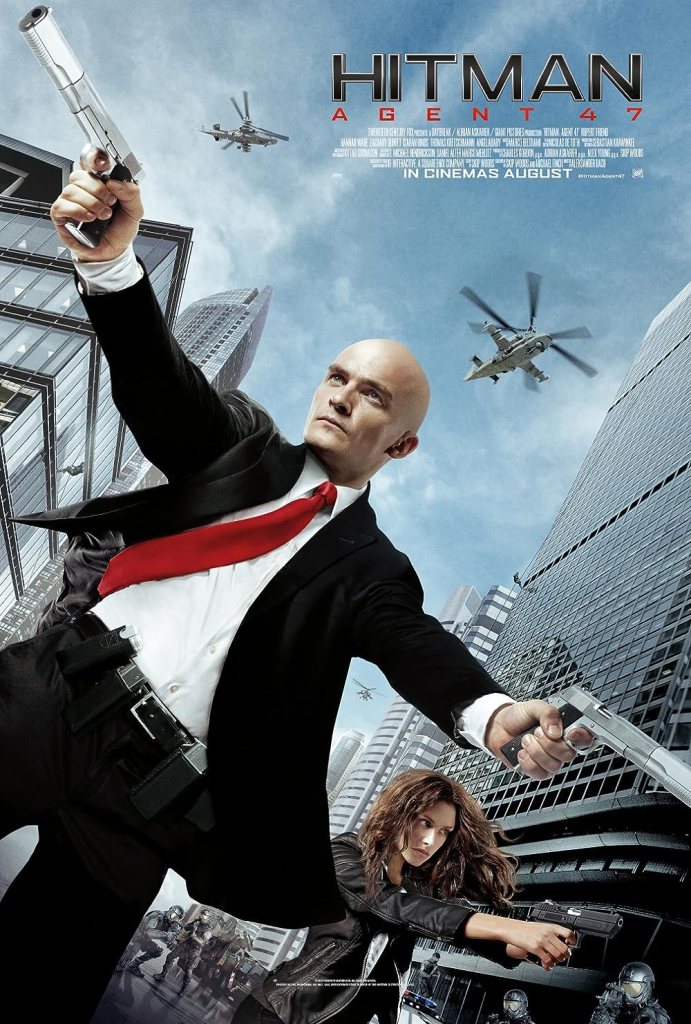
3. “Hitman: Agent 47” (2015): A Missed Mark for Stealth: The “Hitman” games emphasized strategic stealth and meticulous planning, but the film adaptation favored action over the calculated gameplay. The result was a departure from the source material’s methodical approach and a failure to capture the franchise’s essence.
2. “Silent Hill: Revelation” (2012): A Nightmare Lost in Translation: The eerie atmosphere and psychological horror that defined the “Silent Hill” series proved challenging to replicate on screen. “Silent Hill: Revelation” struggled to capture the haunting essence of the games, leading to a lackluster adaptation.

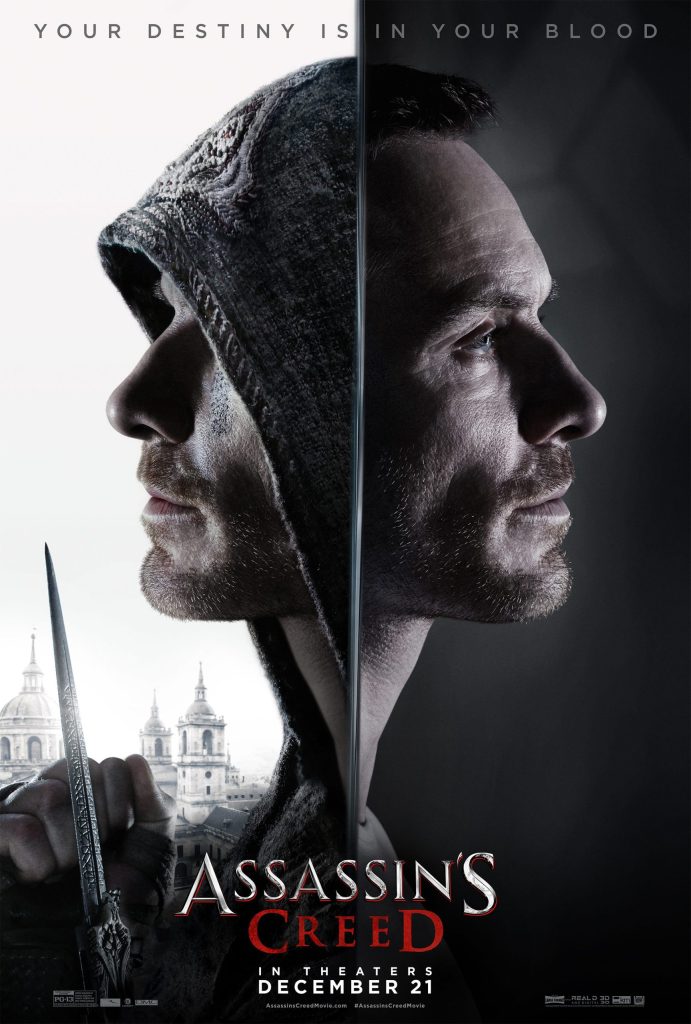
1. “Assassin’s Creed” (2016): Failing to Leap of Faith: “Assassin’s Creed” was ripe for cinematic adaptation with its historical intrigue and parkour action. However, the film’s convoluted plot and inconsistent pacing hindered it from capturing the immersive experience that gamers loved.
The journey from video game console to the realm of movies and TV shows is riddled with challenges, from maintaining the essence of gameplay to navigating the demands of linear storytelling. While some adaptations successfully translate the magic, others fall short, leaving fans yearning for the immersive experiences that only gaming can provide. As studios continue to explore the intersection of these two worlds, it remains a challenge to strike the delicate balance between capturing the spirit of the games and creating engaging narratives on screen.