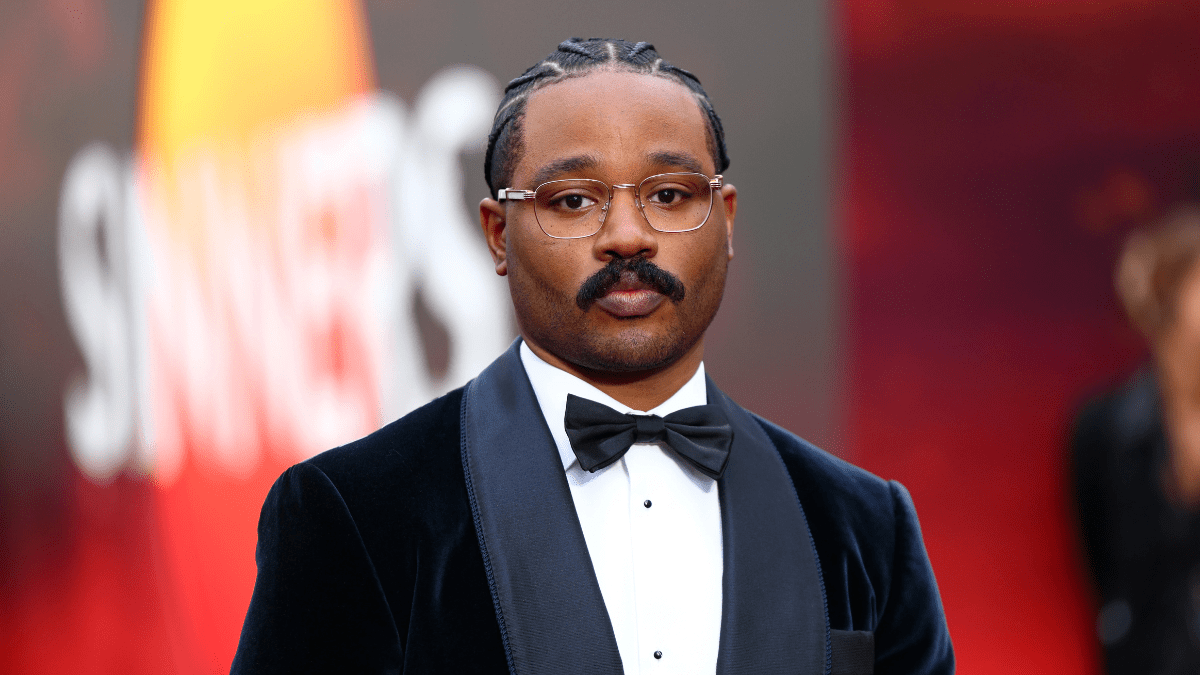
The nominations for the 98th Academy Awards were announced this week, and the industry is still reeling. Ryan Coogler’s atmospheric, 70mm vampire epic, Sinners, didn’t just lead the pack—it rewrote the record books. With a staggering 16 nominations earned, it surpassed the 14-nomination milestone previously held by All About Eve, Titanic, and La La Land.
For film enthusiasts, the nominations feel like a victory lap for original, high-concept storytelling. But beneath the celebration of technical mastery and Michael B. Jordan’s powerhouse performance lies a conversation that is nearly a century in the making. As Coogler prepares for the ceremony on March 15, 2026, he stands on the precipice of a milestone that has remained historically elusive for Black filmmakers: the Academy Award for Best Director.
Shattering the Ceiling: The Search for a Historic First
Despite the profound impact Black directors have had on the cinematic landscape, the Best Director statuette has never been awarded to a Black individual. It is a statistic that feels increasingly jarring as the Academy enters its 98th year.
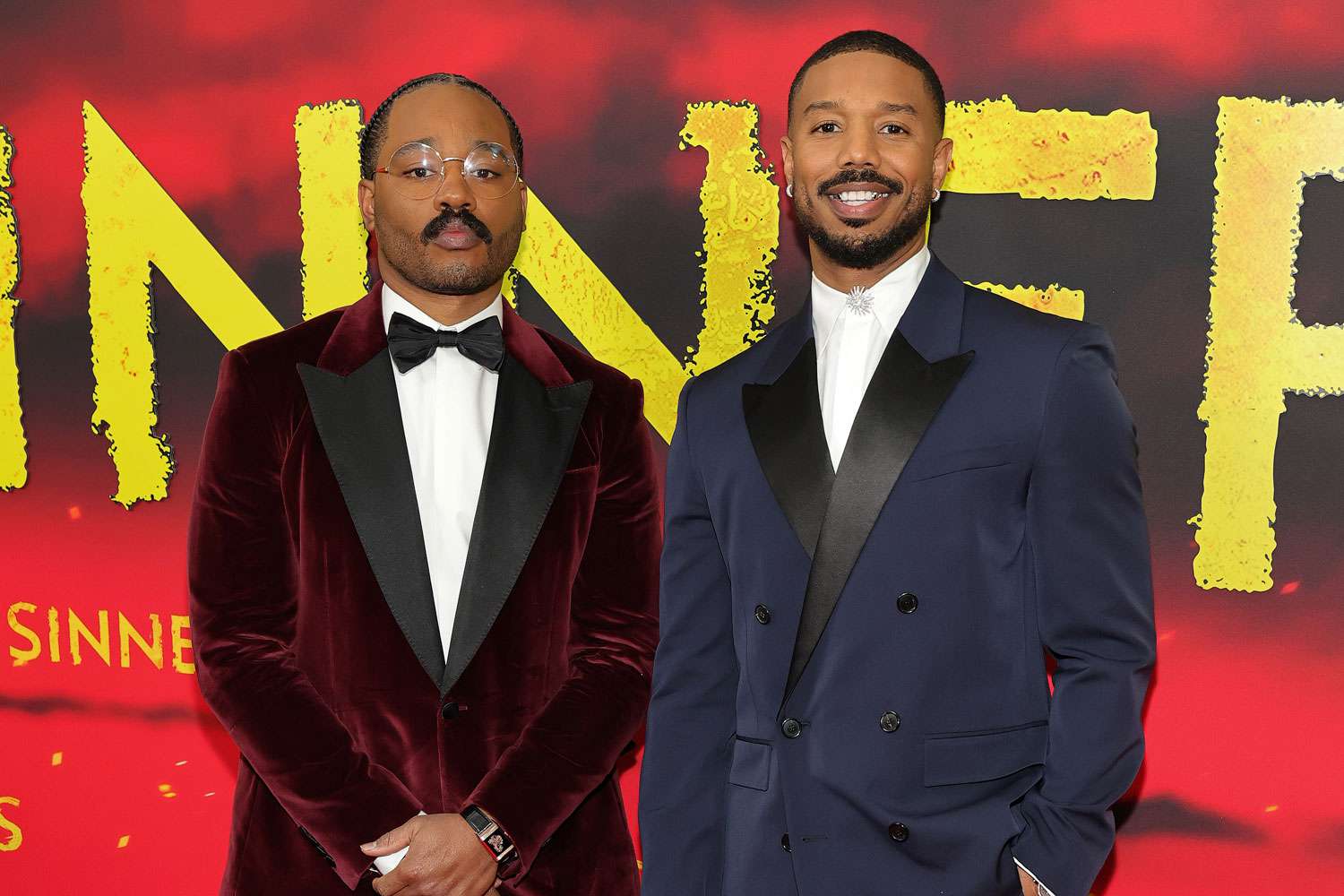
To date, only seven Black directors have ever received a nomination in this category. It is a prestigious yet small group of visionaries who have each redefined American cinema in their own right:
| Director | Film | Year |
| John Singleton | Boyz n the Hood | 1991 |
| Lee Daniels | Precious | 2009 |
| Steve McQueen | 12 Years a Slave | 2013 |
| Barry Jenkins | Moonlight | 2016 |
| Jordan Peele | Get Out | 2017 |
| Spike Lee | BlacKkKlansman | 2018 |
| Ryan Coogler | Sinners | 2025 |
While several of these films, like 12 Years a Slave and Moonlight, went on to win Best Picture, the directing prize has consistently gone to their contemporaries. This year, the momentum behind Ryan Coogler Sinners Oscar Best Director buzz feels different. Sinners isn’t just a critical darling; it’s a cultural phenomenon that has managed to bridge the gap between “prestige art” and “box office titan,” making Coogler’s claim to the trophy harder for the Academy to overlook.
The Gender Gap: Intersectional Barriers in the Director’s Chair
When we talk about the history of the Oscars, it’s essential to look at the intersection of race and gender. While the lack of a Black Best Director winner is a significant gap, the statistics for Black women are even more stark: No Black woman has ever been nominated for Best Director in the history of the Academy Awards.
Despite the incredible work of directors like Ava DuVernay (Selma), Gina Prince-Bythewood (The Woman King), and Nia DaCosta (Candyman), the directing category has remained a challenging space for women of color.
Furthermore, the gender gap in this category remains one of the Academy’s most visible hurdles. Including this year’s nominations, there have only been 10 nominations for women ever, representing a total of just 8 individual women over 98 years:
- Lina Wertmüller (Seven Beauties, 1977)
- Jane Campion (The Piano, 1994; The Power of the Dog, 2022 — Winner)
- Sofia Coppola (Lost in Translation, 2004)
- Kathryn Bigelow (The Hurt Locker, 2010 — Winner)
- Greta Gerwig (Lady Bird, 2018)
- Emerald Fennell (Promising Young Woman, 2021)
- Chloé Zhao (Nomadland, 2021 — Winner; Hamnet, 2026)
- Justine Triet (Anatomy of a Fall, 2024)
This year, Chloé Zhao makes history once again as one of only two women (alongside Jane Campion) to receive multiple nominations in this category for her work on Hamnet. However, the fact that Zhao is the sole female nominee for 2026 serves as a reminder that the “Director’s Chair” is still a space where the industry’s progress can feel frustratingly slow.
Why Sinners is the Film to Change the Narrative
So, why is Sinners the movie that might finally break through?
From his debut with Fruitvale Station (2013), Ryan Coogler has displayed a unique ability to weave complex social themes into the fabric of compelling narratives. He doesn’t just “incorporate” Black culture into his films; he centers it as the foundational lens through which the story is told.

In Sinners, Coogler utilizes the “Southern Gothic” horror genre to explore the visceral terrors of the Jim Crow era. By casting Michael B. Jordan in a dual role and filming in 70mm IMAX, Coogler has created a visual experience that demands to be taken seriously as high art. The Academy has a long history of being “genre-averse”—often overlooking horror and sci-fi in favor of biopics—but the sheer technical excellence of Sinners has made it impossible to ignore.
“Ryan doesn’t just direct a movie; he builds a world that feels both ancient and immediate,” Michael B. Jordan said in a recent Variety interview. “With Sinners, he wanted to show that our history has its own myths, its own monsters, and its own heroes.”
The film’s 16 nominations are a testament to this world-building. From Ruth E. Carter’s fifth nomination for Costume Design to Ludwig Göransson’s haunting score, Sinners is a masterclass in collaboration. It represents the pinnacle of a filmmaker who has spent a decade refining his craft, moving from indie darling to a leader of a new cinematic era.
The Road to March 15: What to Expect
As we head into the final weeks of the 2026 awards season, the competition for Coogler is fierce. He is facing off against heavyweights like Paul Thomas Anderson (One Battle After Another), Chloé Zhao (Hamnet) and Josh Safdie (Marty Supreme).
However, the narrative of the 98th Oscars feels centered on a desire for change. The Academy’s voting body has grown younger and more international in recent years, leading to historic wins for films like Parasite and Everything Everywhere All At Once. There is a growing sense among voters that the time has come to acknowledge directors who are not only masters of the camera but also architects of cultural shifts.
Ryan Coogler is highly deserving of an Oscar win this year for his work on Sinners. A win for him would be a win for the genre, a win for original storytelling, and a long-overdue moment of recognition for Black excellence in directing.
We Want to Hear Your Predictions!
Do you think Sinners has what it takes to sweep the night, or will the Academy lean toward a more traditional choice? Does the lack of gender and racial diversity in the Best Director category change how you view the awards?
Share your predictions and your favorite Ryan Coogler moments in the comments below! Let’s get a discussion going about the future of the Oscars.