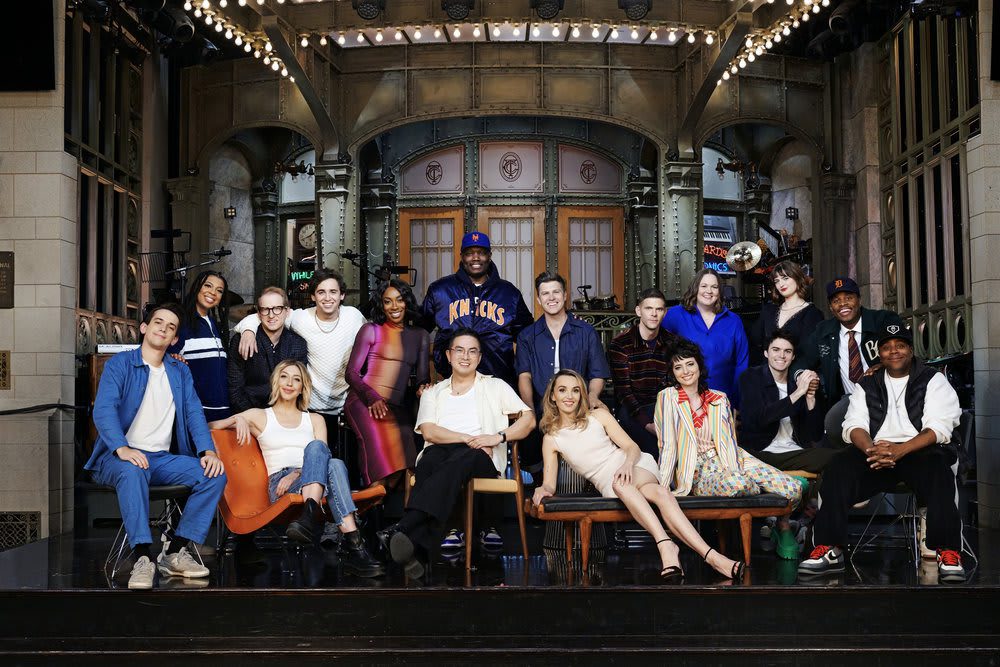
After months of speculation and industry chatter, “Saturday Night Live” has locked in its Season 51 roster, and the changes reflect both the show’s commitment to fresh blood and its reliance on proven talent. The NBC sketch comedy institution will return October 4 with a mix that includes Kenan Thompson’s record-breaking 23rd season alongside four newcomers who will need to prove themselves in television’s most demanding comedy boot camp.
The finalized cast tells a story of calculated risk-taking. Lorne Michaels has retained his core performers while making strategic additions that could reshape the show’s comedic DNA. But in an era where social media can make or break careers overnight, the pressure on SNL’s new class may be higher than ever.
The Survivors
The returning veterans represent SNL’s current comedic backbone. Bowen Yang continues his rise as one of the show’s most versatile performers, equally comfortable in political impressions and absurd character work. Ego Nwodim and Chloe Fineman have established themselves as reliable sketch anchors, while Thompson’s unprecedented longevity speaks to both his adaptability and the show’s recognition of institutional memory’s value.
Despite rumors about “Weekend Update” changes, Colin Jost and Michael Che will return for their 12th season together behind the desk. Their chemistry has evolved from initial awkwardness into sharp comedic timing, and their political commentary has become increasingly essential to the show’s identity. Speculation about replacements may have been more media invention than reality—a reminder that SNL’s rumor mill often generates more heat than light.
The supporting cast of Mikey Day, Sarah Sherman, Marcello Hernández, Andrew Dismukes, and James Austin Johnson represents the show’s middle tier—performers who’ve found their niches without quite achieving breakout status. Sherman’s anarchic energy and Johnson’s uncanny Trump impression have made them particularly valuable, while Hernández brings bilingual comedy that reflects America’s changing demographics.
The Departures
Heidi Gardner’s exit after eight years marks the loss of a versatile performer who excelled at both straight-woman roles and bizarre character work. Her departure, along with Devon Walker, Michael Longfellow, and Emil Wakim, continues SNL’s tradition of regular turnover that keeps the show from becoming too comfortable with its own success.
The breakup of Please Don’t Destroy—the digital shorts trio that brought fresh video content to the show—represents a more significant shift. Martin Herlihy’s move to the writing staff while John Higgins exits entirely suggests the show values the group’s creative input even as it restructures their roles. Ben Marshall’s promotion to the main cast indicates SNL’s belief in his on-camera potential beyond the trio’s digital format.
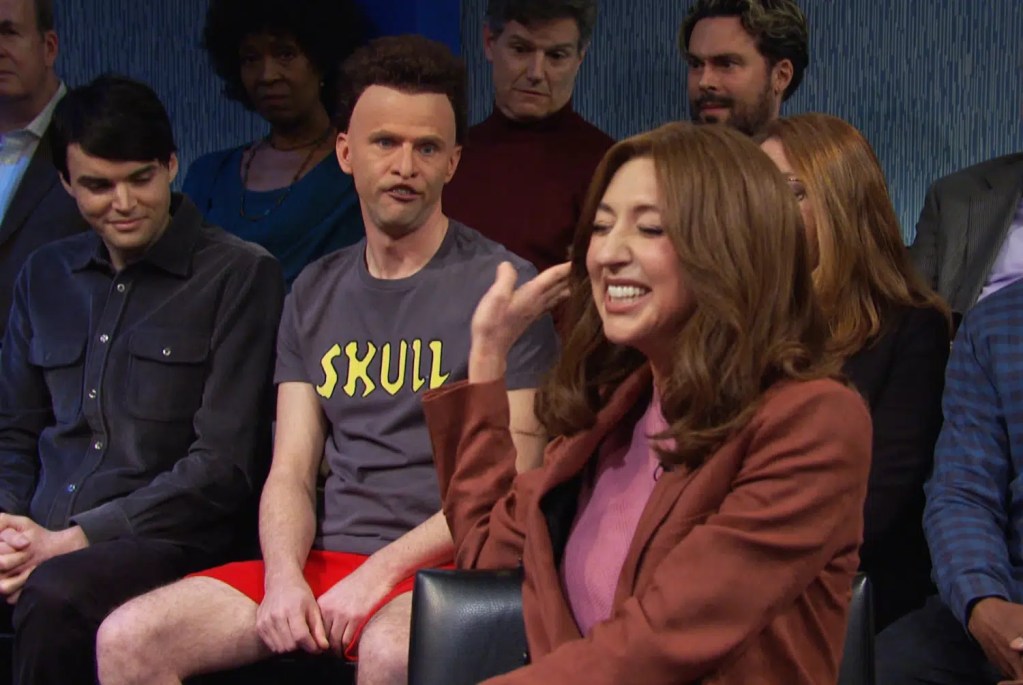
The New Blood
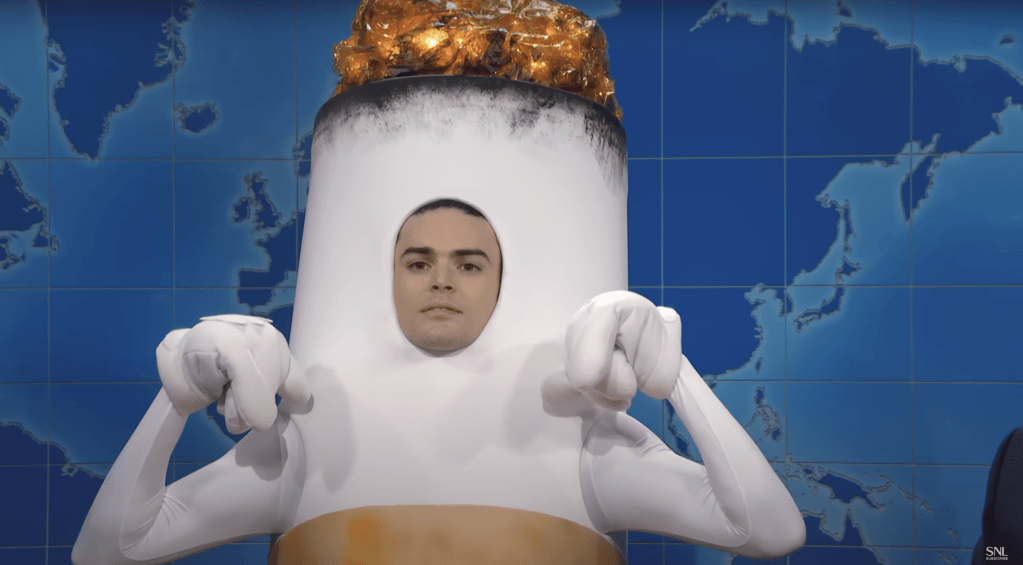
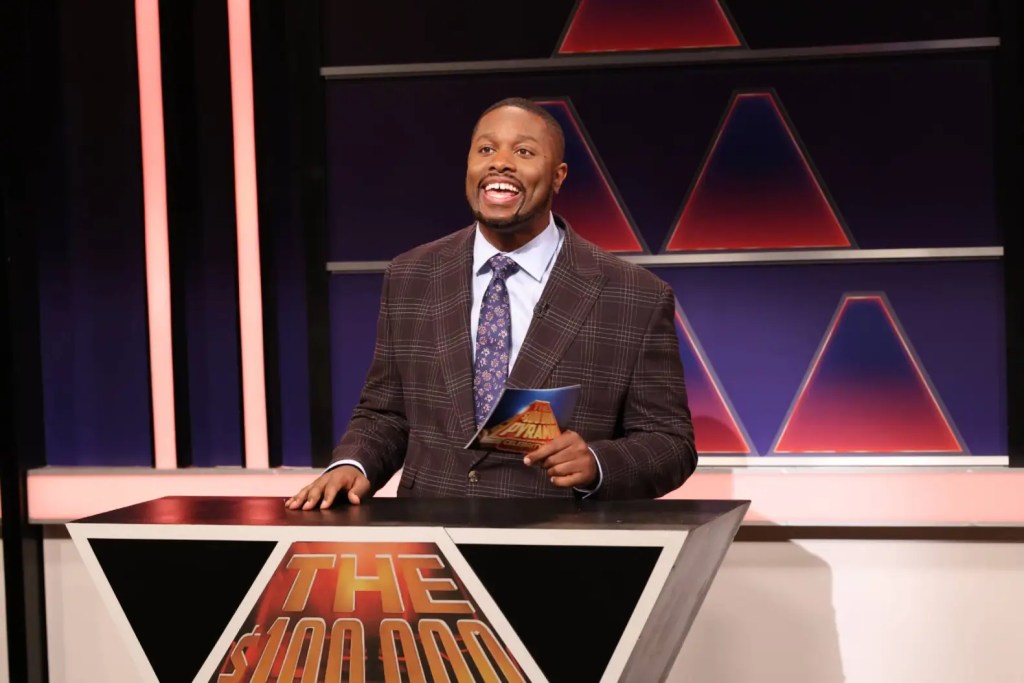
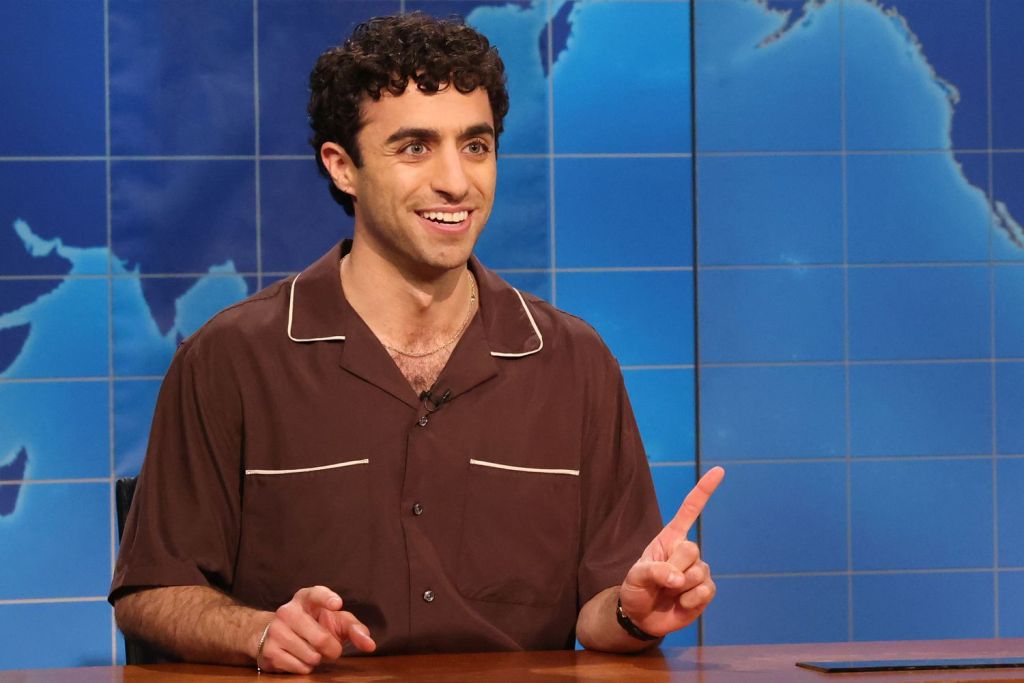
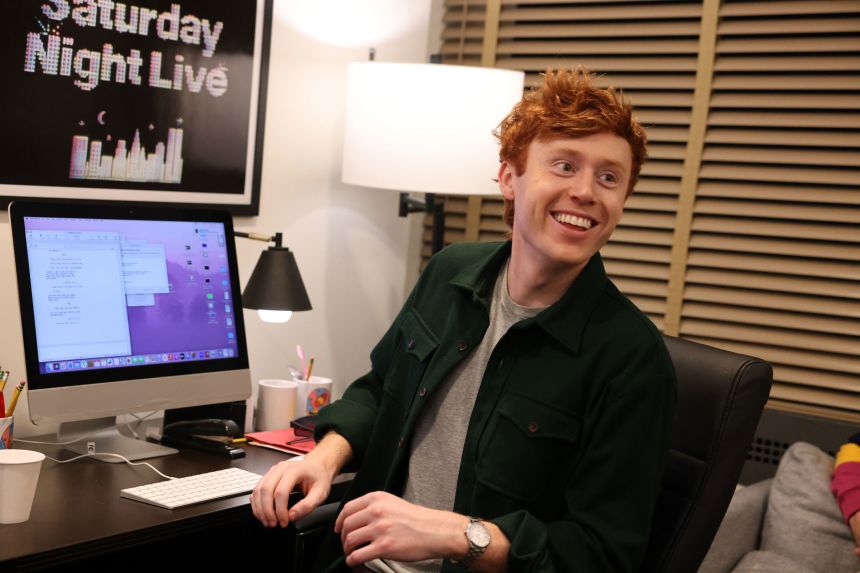
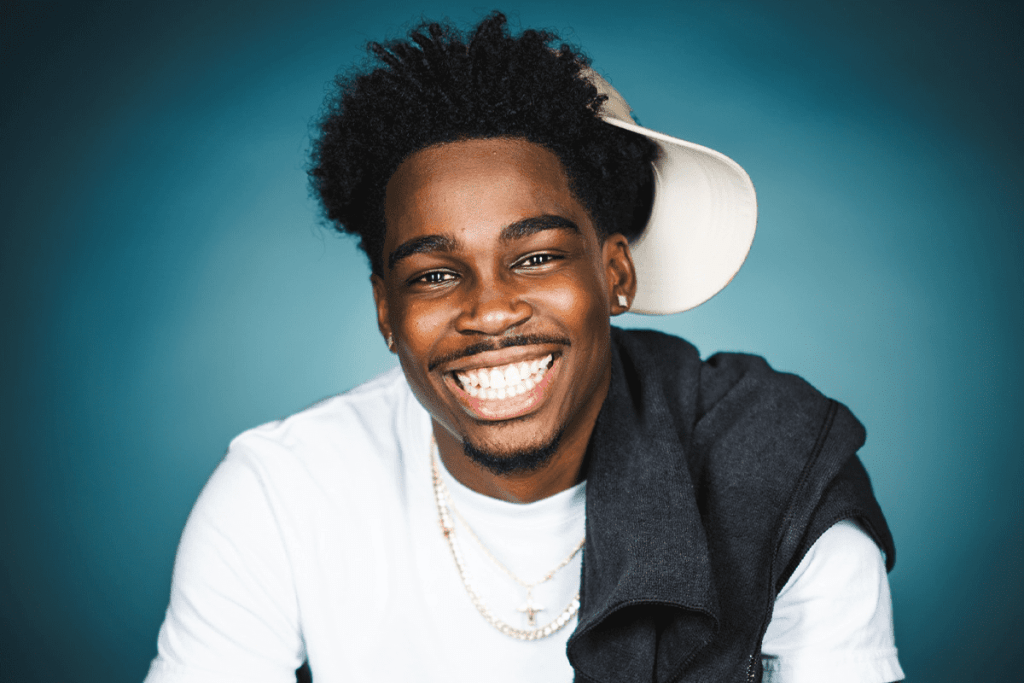
The four newcomers—Tommy Brennan, Jeremy Culhane, Kam Patterson, and Veronika Slowikowska—face the daunting task of establishing themselves in a format that has broken many promising comedic talents. SNL’s track record with new cast members is notoriously uneven; for every success story, there are performers who never found their footing before disappearing into comedy obscurity.



Season 50 additions Ashley Padilla and Jane Wickline return for their sophomore seasons, having survived the crucial first-year trial by fire. Their retention suggests they’ve found ways to contribute meaningfully to the show’s weekly output, though neither has yet achieved the breakout moments that typically define SNL careers.
The Calculated Gamble
This level of cast turnover isn’t unprecedented for SNL, which has previously weathered mass exits of established stars. The departures of Jason Sudeikis, Bill Hader, Fred Armisen, Andy Samberg, and Kristen Wiig in quick succession could have crippled a less resilient show. Instead, SNL adapted and discovered new talent.
The current shakeup serves multiple purposes beyond creative refreshment. As Brian Steinberg noted, roster changes generate off-season publicity that keeps SNL relevant during summer months when sketch comedy typically fades from public consciousness. The speculation and analysis surrounding cast decisions has become part of the show’s media strategy.
The Pressure Cooker
What makes SNL’s casting decisions particularly challenging is the show’s unique demands. New cast members must quickly master live television performance, develop memorable characters, nail celebrity impressions, and contribute to the writing process—all while competing for limited airtime with established performers who’ve spent years perfecting their craft.
The stakes feel higher in 2024’s media landscape. Social media can amplify both breakthrough moments and embarrassing failures, while streaming platforms offer alternative paths for comedic careers that didn’t exist during SNL’s earlier decades. New cast members must not only succeed within SNL’s ecosystem but also build personal brands that can survive beyond their tenure.
Beyond the Headlines
The real test of these casting decisions will come in the show’s actual performance over the coming months. SNL’s success has never depended solely on individual talent but on the chemistry between performers and their ability to serve the show’s larger comedic vision.
Thompson’s 23rd season provides institutional continuity that should help integrate newcomers, while the retained core offers stability during transition. The challenge will be creating space for new voices while maintaining the comedic rhythms that have kept SNL relevant through five decades.
The October 4 premiere will begin answering whether Michaels has struck the right balance between proven talent and fresh perspectives. For now, the cast announcements represent hope rather than certainty—the promise that SNL’s next chapter will justify the faith placed in both returning veterans and untested newcomers.
In comedy, as in life, potential means nothing without execution. Season 51 will reveal whether this particular mix of old and new can generate the kind of cultural moments that have made SNL an American institution. The stage is set; now comes the hard part of actually being funny on live television every Saturday night.