Into the Shadows: A New Kind of Hero for a Different Era
“Look out, here comes the Spider-Man!”
Well, a version of him, anyway. While we’ve grown accustomed to the bright spandex and quippy teenagers of the MCU, the upcoming Spider-Noir series on MGM+ is trading the primary colors for a palette of rain-slicked charcoal and deep shadows. Set against the backdrop of 1930s New York, this isn’t just another Multiverse cameo; it’s a full-throttle descent into the “hard-boiled” detective genre.
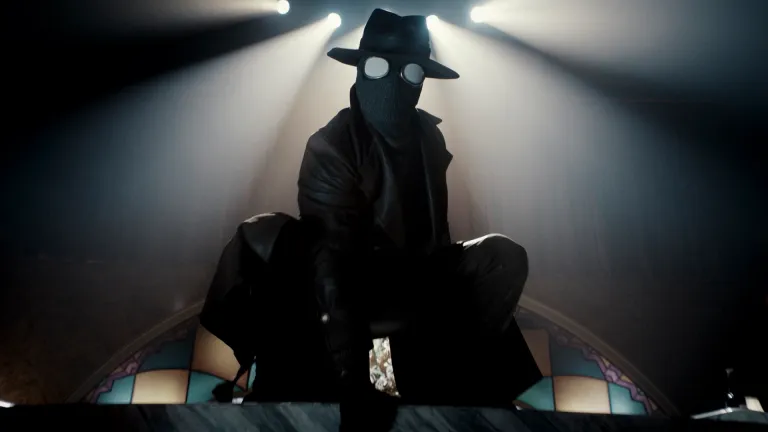
Based on the 2009 Marvel Comics miniseries, Spider-Noir stars the incomparable Nicolas Cage, reprising a version of the role he voiced in Into the Spider-Verse. But as new photos from Esquire suggest, this live-action iteration is doing something far more radical than just changing the costume. It is reimagining the very fabric of the Spider-Man supporting cast to reflect a world that—historically—the film industry tried to erase.
A Hero by Any Other Name: The Mystery of Ben Reilly
In a surprising twist, Cage isn’t playing Peter Parker. Instead, he’s stepping into the weathered trench coat of Ben Reilly. For comic book aficionados, that name triggers memories of the infamous Clone Saga of the 1990s. In the source material, Ben was a clone of Peter who took on the mantle of the Scarlet Spider.
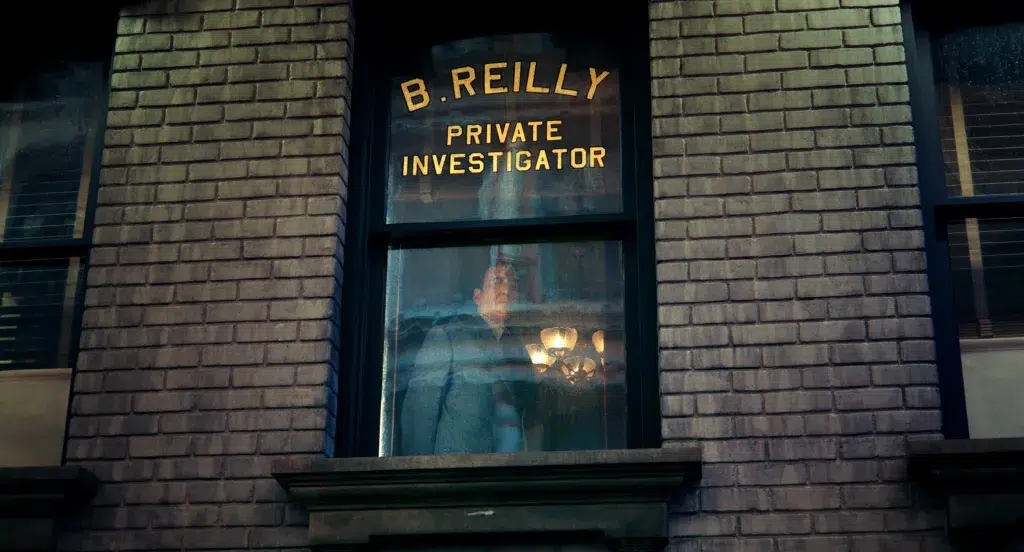
However, in the Spider-Noir series, the choice to use Ben Reilly feels like a deliberate move to distance this story from the “high school student” tropes we’ve seen with Tom Holland. This Ben Reilly is an aging, down-on-his-luck private investigator. He’s cynical, he’s jaded, and as producer Phil Lord put it, he’s “not afraid to punch a guy in the face drunkenly.”
By shifting the identity from Peter to Ben, the showrunners are signaling that this is a “Spidey” story through the lens of a man who has already seen the world go to hell. It allows the show to explore themes of identity and regret—perfect fodder for the noir genre.
Reclaiming History: The Rise of Robbie Robertson
The most significant and welcome change in the Spider-Noir series is the elevation of Robbie Robertson, played by the Emmy-winning Lamorne Morris. Historically, Robbie has been the moral compass of the Daily Bugle, the calm counter-point to J. Jonah Jameson’s erratic fury. Yet, in previous live-action films, he’s often been relegated to the background—a few lines of dialogue here, a supportive nod there.
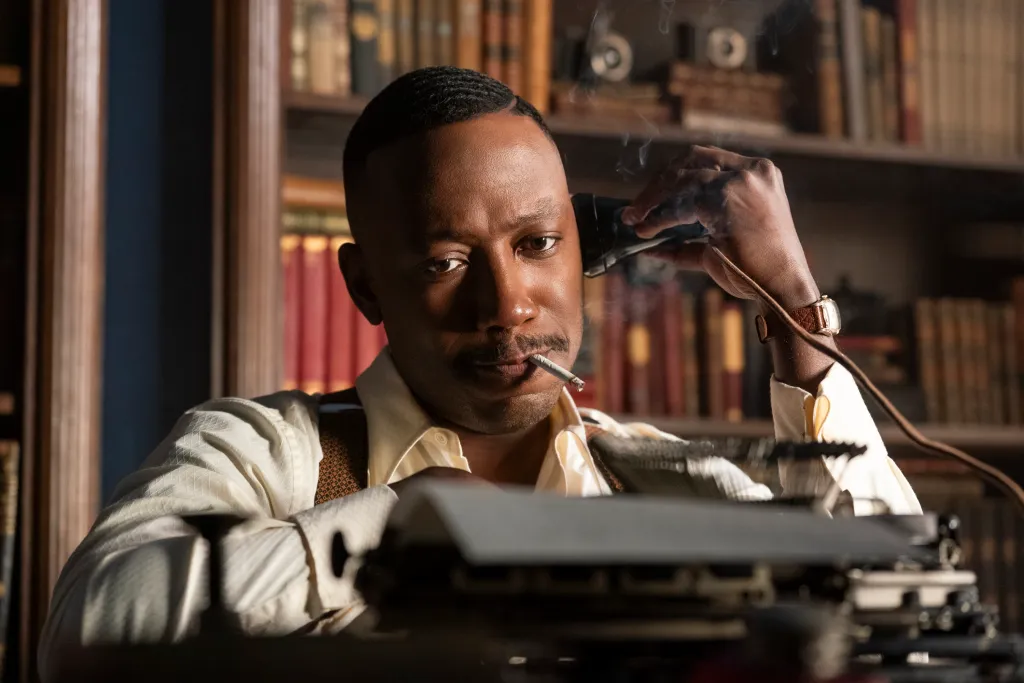
By putting Morris’s Robbie on the streets as a “hardscrabble reporter” on the trail of a mob boss like Silvermane (Brendan Gleeson), the series is doing something vital. The 1930s were a time of immense struggle and systemic exclusion for people of color in America. By making a Black man a central investigator in this narrative, Spider-Noir is practicing intentional inclusion.
It’s an incisive way to show that the “world of the 1930s” wasn’t just a collection of white detectives in fedoras. There were people of color fighting for truth and justice in the shadows of the Great Depression, and by giving Robbie a primary spotlight, the series is finally allowing the world to see themselves in a period piece that previously didn’t allow for it. Robbie isn’t just a sidekick here; he’s an architect of the truth.
The Cat Hardy Revision: A Femme Fatale for 2026
Then there is Cat Hardy, portrayed by the magnetic Li Jun Li. In the traditional Marvel lore, Felicia Hardy (Black Cat) is a cat burglar born into wealth. In Spider-Noir, she is reimagined as a lounge singer in a club owned by the villainous Silvermane.

This isn’t just a wardrobe change. Drawing inspiration from cinematic icons like Anna May Wong, Li Jun Li’s Cat Hardy represents a more nuanced take on the “femme fatale.” In classic noir, the femme fatale was often a trope used to punish women for their ambition or sexuality. Here, Cat Hardy is described as a character with “greater complexity beneath the surface.”
She represents a bridge between the criminal underworld and the hero’s quest for justice. In a genre that often sidelined women as either victims or villains, seeing a woman of color occupy this high-stakes, powerful role is a breath of fresh air. She isn’t just a love interest for Ben Reilly; she’s a player in a dangerous game where the stakes are life and death.
Why This “Reimagining” Matters
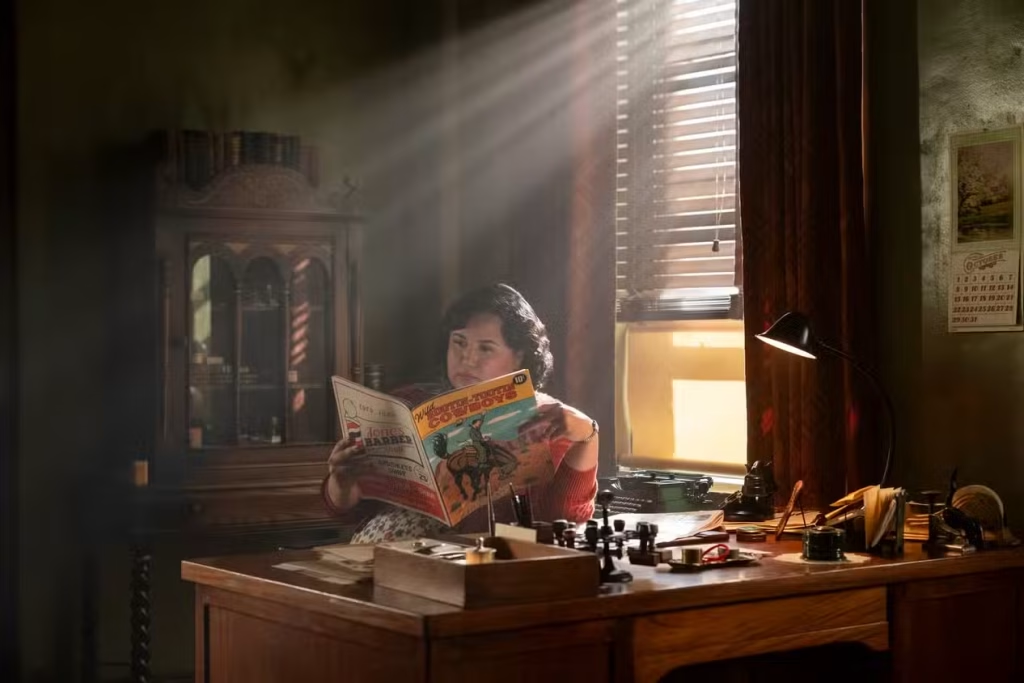
Ultimately, the power of the Spider-Noir series lies in its ability to take the familiar and make it inclusive. For decades, the “Golden Age of Hollywood” and the noir genre were strictly gated communities. By populating this rain-soaked version of New York with a diverse cast—including Karen Rodriguez as Janet, Ben’s sharp-witted secretary—the show is proving that superheroes don’t belong to any one demographic.
Representation in film isn’t just about “checking boxes”; it’s about correcting the historical record of our imagination. When we see a cast that looks like our world fighting against the corrupt systems of the 1930s, the story feels more grounded and more urgent. We aren’t just watching a comic book come to life; we’re watching a world being rebuilt.
The Countdown to Spring 2026
With a release date set for May 27, 2026, on MGM+ and Prime Video, Spider-Noir is shaping up to be the most unique Marvel project in years. Whether you’re here for the “70% Bogart, 30% Bugs Bunny” energy of Nicolas Cage, or you’re excited to see Robbie Robertson finally get the screen time he deserves, there is no denying that the “Spider-Verse” is growing in the right direction.
The shadows of New York have never looked this inviting.
What do you think, True Believers? Are you excited to see a more mature, cynical take on the Spider-Man mythos? Does the casting of Lamorne Morris as a lead reporter make you more likely to tune in? Let’s talk about the importance of diverse casting in our favorite franchises!
Drop a comment below and let us know your theories for the premiere!