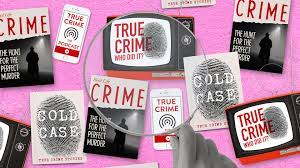
In a world captivated by real-life mysteries and the dark complexities of the human psyche, the true crime genre has emerged as a cultural phenomenon that continues to grip audiences with its chilling narratives. From riveting documentaries to captivating podcasts, the rise of true crime has reshaped the entertainment landscape, offering a voyeuristic yet thought-provoking window into some of the most heinous and enigmatic cases. Join us as we unravel the reasons behind the true crime genre’s meteoric ascent and explore how it has taken root in various forms of media, captivating audiences in ways previously unimagined.
A Thrilling Escape from Reality: “Making a Murderer” and the Birth of the Phenomenon: Few documentaries have ignited the same level of fascination as “Making a Murderer.” This trailblazing series delved into the intricacies of the criminal justice system, sparking a collective interest in the real-life legal dramas that often unfold behind closed doors.

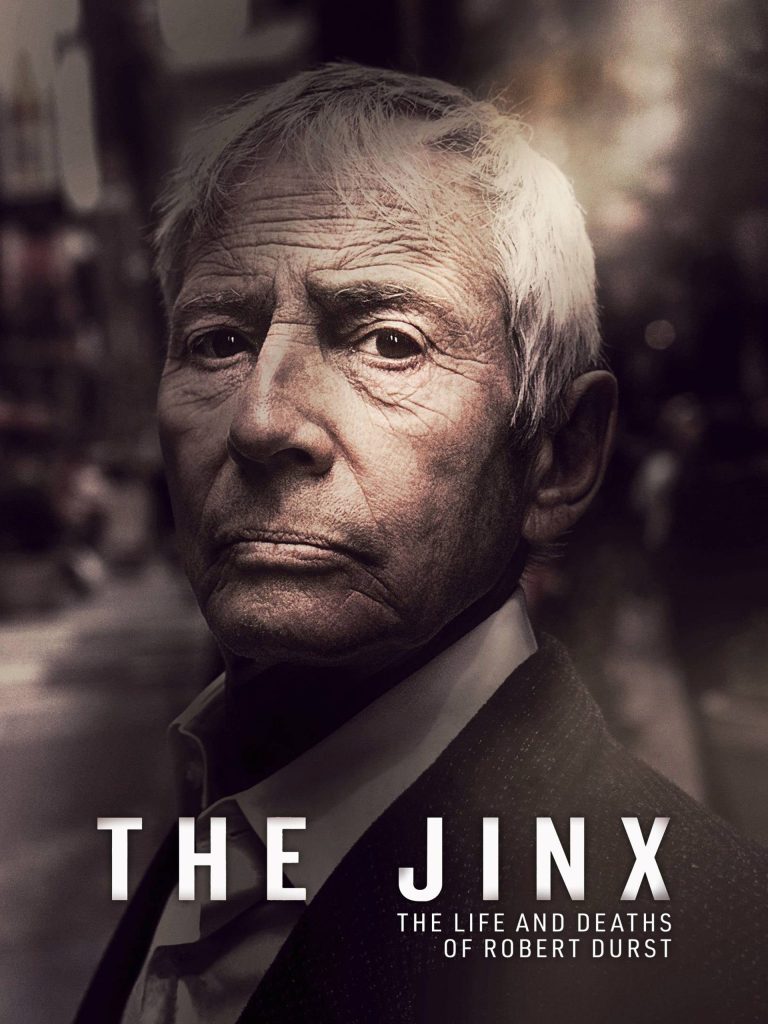
The Cold Chill of Mystery: “The Jinx” and the Art of Unsolved Cases: “The Jinx” showcased the allure of unsolved mysteries, unraveling a tale of intrigue and deception surrounding millionaire Robert Durst. The ambiguity and uncertainty surrounding such cases have drawn audiences into a world where the truth remains elusive.
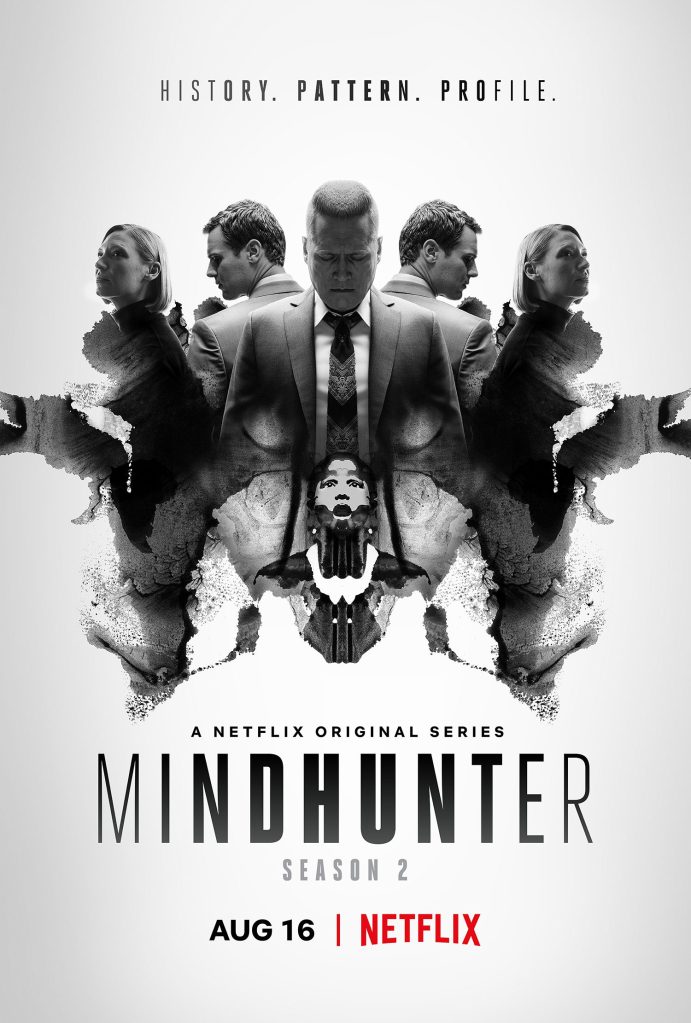
The Human Psyche Unveiled: “Mindhunter” and the Exploration of Criminal Minds: Stepping beyond the realm of documentaries, “Mindhunter” took audiences on a cerebral journey into the minds of serial killers. Through riveting character studies and psychological profiling, the show exposed the intricate dance between investigators and the criminals they pursue.
The Power of Podcasts: “Serial” and the Evolution of Conversational Crime: “Serial” revolutionized storytelling through its immersive podcasts, where audiences became armchair detectives. The podcast format invited listeners into a world of speculation, discussion, and communal engagement as they dissected the intricate details of cases.

The Dark Allure of Infamy: “American Crime Story” and the Notorious Cases: Anthology series like “American Crime Story” transformed infamous criminal cases into episodic dramas. The allure of true crime’s darkest moments was brought to life, inviting audiences to witness high-profile trials and investigations in a new light.

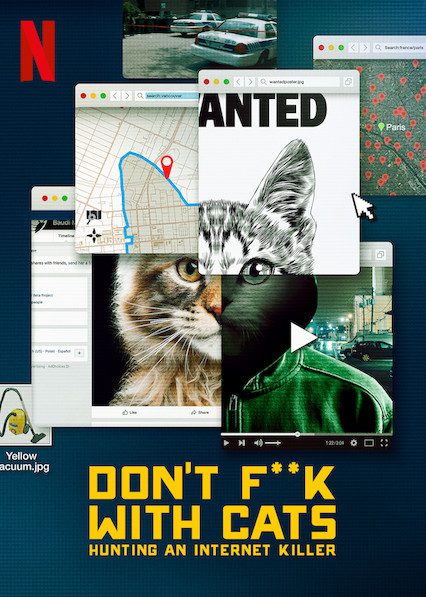
Online Fandoms and Cold Cases: “Don’t F**k with Cats” and Web Sleuths: “Don’t F**k with Cats” delved into the world of online communities and their role in solving crimes. The intersection of armchair detectives and social media has led to the reexamination and even resolution of cold cases that have eluded authorities for years.
The Rise of True Crime Literature: “I’ll Be Gone in the Dark” and Literary Sleuths: The literary realm has also been touched by the true crime wave. “I’ll Be Gone in the Dark” showcased the determination of an amateur sleuth, Michelle McNamara, whose pursuit of the Golden State Killer was as captivating as any fictional detective story.

The Empathy and Morbid Curiosity: How True Crime Sparks Complex Emotions: The fascination with true crime lies in its ability to evoke a range of emotions, from empathy for victims to morbid curiosity about the minds of perpetrators. Audiences grapple with their own fascination and repulsion as they explore the darkest corners of humanity.
The true crime genre’s rise from the shadows of the criminal underworld to mainstream media is a testament to its enduring appeal. By delving into the darkest aspects of human nature, these documentaries, podcasts, and series provide a unique blend of entertainment, education, and introspection. As audiences continue to engage with these narratives, the true crime phenomenon has redefined how we consume and understand the intricacies of real-life mysteries, all while shining a light on the labyrinthine complexity of the human psyche.