Fans of Andy Muschietti’s IT films may finally get the epic director’s cut they’ve been hoping for. The filmmaker behind both IT: Chapter One (2017) and IT: Chapter Two (2019) has provided an encouraging update about the long-discussed supercut that would combine both films into a single narrative experience—complete with additional scenes.
From Dream to Development
Muschietti has spoken about this ambitious project before, but until recently, it seemed more aspirational than achievable. Last December, when asked about the supercut, he said: “Yes, still a big dream of mine. Since we’ve been involved heavily in this show, we hadn’t had time to execute it. Crossing fingers.”
That cautious optimism has now evolved into something more concrete. In a recent Spanish-language interview unearthed by X user @Stephenkingesp2, both Andy Muschietti and his producing partner Barbara Muschietti shared updates that suggest the project has gained significant momentum.

“A supercut is something that’s coming, and we’ll see how this series does,” Andy revealed, referring to IT: Welcome to Derry, the recently concluded prequel series that has proven to be one of HBO’s most successful launches.
Stephen King Himself Is Asking About It
Perhaps most telling is Barbara Muschietti’s revelation that the project has attracted attention from the highest authority: Stephen King himself.
“I was wondering about it a month ago, Stephen King asked how the supercut was going,” Barbara shared during the interview.
Having the author of the source material personally inquiring about the supercut’s progress demonstrates both the cultural significance of these adaptations and the respect the Muschiettis have earned for their work bringing King’s massive novel to screen.
New Scenes and Restructured Storytelling
What makes this supercut particularly exciting isn’t just the prospect of watching both films seamlessly edited together—it’s the promise of entirely new material that will enhance the overall narrative.
“It’s great because it’s truly a dream to put the two films into a single narrative piece,” Andy explained. “It will possibly have a different structure and will have extra scenes, added scenes. I still have to film some of them… because they are the interstitial fabric between the pieces of the story.”
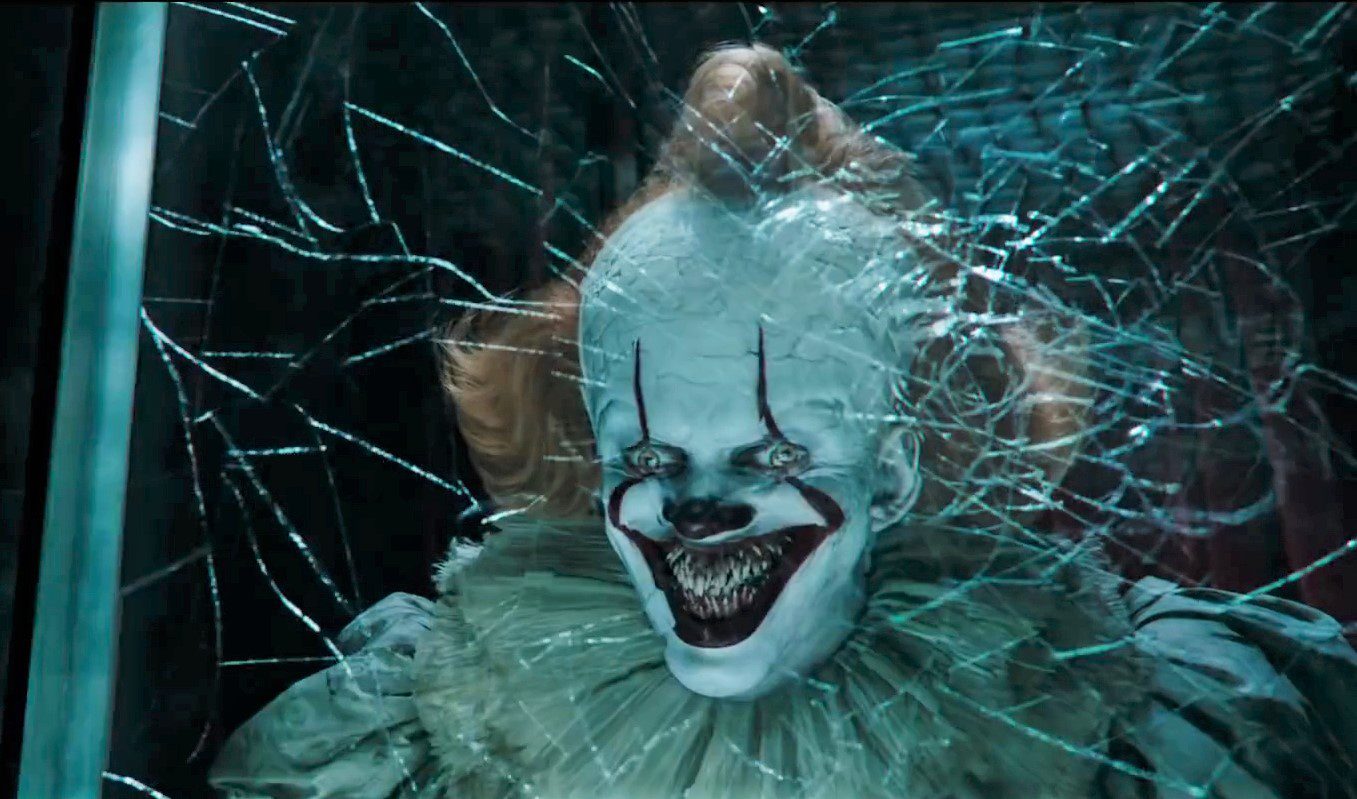
This suggests Muschietti envisions more than a simple editing exercise. By filming additional scenes that serve as connective tissue between the existing films, he’s creating an opportunity to address pacing issues, deepen character development, and potentially smooth over some of the narrative rough patches that critics noted, particularly in Chapter Two.
The idea of restructuring the story is particularly intriguing. The two films follow Stephen King’s novel structure of alternating between the Losers Club as children in the 1980s and as adults in the present day. A supercut could weave these timelines together differently, potentially creating a more cohesive viewing experience that feels less segmented than watching two separate films.
The Challenge of Time and Resources
Despite the progress and enthusiasm, significant practical challenges remain. Barbara Muschietti acknowledged the most immediate obstacle: “But we don’t have time, that’s the problem.”
Between finishing IT: Welcome to Derry and potentially working on a second season of that series, the Muschiettis have full plates. Finding the time to not only edit together a supercut but also film new scenes represents a substantial commitment.
However, Andy offered a hopeful note about studio support: “But I think there’s interest. I think the studio is interested in funding it. We’ll see.”
Warner Bros. backing the project financially would remove a major hurdle, allowing the Muschiettis to focus on the creative work without worrying about budget constraints for the additional filming.
A Proven Model for Success
Warner Bros. has meaningful experience with this type of project. In 2021, the studio released Zack Snyder’s Justice League on HBO Max—a dramatically expanded and restructured version of Justice League that ran over four hours. Despite the unconventional format and length, it became a streaming phenomenon and earned widespread acclaim from fans who had campaigned for years to see Snyder’s original vision.
Similarly, last December saw the theatrical release of Kill Bill: The Whole Bloody Affair, which edited Quentin Tarantino’s two Kill Bill films into a single experience. These precedents demonstrate there’s both audience appetite and commercial viability for these kinds of ambitious re-edits.
An IT supercut would follow this model while offering something unique: not just a director’s cut of existing material, but a fundamentally reimagined structure with new content specifically designed to bridge the two films.
How Long Would It Be?
The original IT: Chapter One runs two hours and 15 minutes, while Chapter Two clocks in at two hours and 49 minutes. Combined, that’s just over five hours of material—and that’s before adding any new scenes.
A supercut could easily approach or exceed six hours, making it a true event viewing experience. While that might seem daunting, dedicated fans have shown they’ll commit to marathon viewing sessions for beloved franchises, especially when new content is involved. The success of extended editions of The Lord of the Rings trilogy and the aforementioned Zack Snyder’s Justice League proves that runtime isn’t necessarily a barrier when the quality justifies the investment.
Welcome to Derry’s Success Bodes Well
The recent conclusion of IT: Welcome to Derry on HBO has demonstrated that audience interest in this universe remains incredibly strong. The prequel series became one of HBO’s most-watched series debuts in history, trailing only juggernauts like The Last of Us and House of the Dragon.
This success serves multiple purposes for the potential supercut. First, it proves there’s still a hungry audience for IT-related content. Second, it keeps the franchise in the cultural conversation, making now an ideal time to capitalize on that renewed interest. Third, it demonstrates to Warner Bros. that investments in this universe continue to pay dividends.
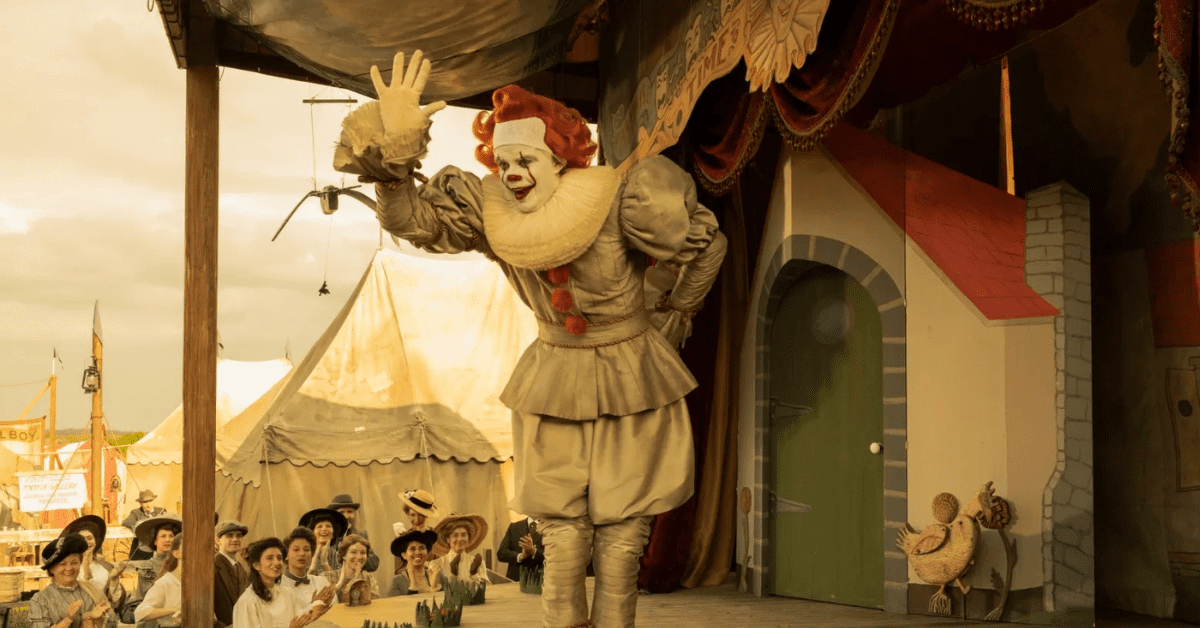
However, Welcome to Derry’s success also creates complications. While HBO hasn’t officially announced a second season renewal, it seems highly likely given the viewership numbers. If a second season gets greenlit, that would demand significant time and energy from the Muschiettis, potentially delaying the supercut further.
The ideal scenario might involve Warner Bros. timing the production so the Muschiettis can complete the supercut during the window before Welcome to Derry season two begins filming. This would keep the IT franchise momentum going while allowing the filmmakers to fulfill this passion project.
An Opportunity for Redemption
While both IT films were commercial successes—Chapter One earned over $700 million worldwide while Chapter Two brought in over $470 million—critical reception diverged significantly. Chapter One was widely praised for its performances, atmosphere, and faithfulness to King’s novel. Chapter Two, while still profitable, faced criticism for its length, pacing, and tonal inconsistencies.
A supercut offers Muschietti the chance to address some of these concerns. By restructuring the narrative and adding connective scenes, he could potentially create a more balanced experience that smooths over Chapter Two’s rougher edges while enhancing both films’ strengths.
This isn’t about “fixing” Chapter Two so much as reimagining how both stories work together as a unified whole. The opportunity to shoot new material specifically designed to bridge gaps and strengthen character arcs could result in a version that satisfies both fans and critics more fully than either film individually.
The Power of Director’s Cuts in the Streaming Era
The rise of streaming platforms has fundamentally changed how we think about film length and release formats. When theatrical releases required fitting stories into comfortable runtime windows to maximize screenings per day, longer cuts were impractical. But streaming removes those constraints entirely.
HBO Max (now simply Max) has proven particularly willing to support ambitious director’s cuts and extended versions. Beyond Zack Snyder’s Justice League, the platform has hosted numerous director’s cuts and extended editions that would have been difficult to release theatrically.
An IT supercut would fit perfectly within this model. Fans could watch it over multiple sessions, taking breaks as needed, without the pressure of sitting through a six-hour theatrical experience in one go. Warner Bros. could also consider limited theatrical screenings for the most dedicated fans, similar to what happened with Kill Bill: The Whole Bloody Affair.
What Happens Next?
Based on Muschietti’s comments, the next steps seem clear: Warner Bros. needs to officially greenlight the project and provide funding for the additional filming. The Muschiettis need to find time in their schedules to both shoot new material and complete the extensive editing work required to merge two films into a cohesive whole.
The success of IT: Welcome to Derry has created favorable conditions for this to happen. The studio has clear evidence that IT content remains commercially viable and culturally relevant. Stephen King’s personal interest adds weight to the project. And the proven success of other director’s cut releases demonstrates there’s both audience appetite and precedent for this kind of ambitious undertaking.
For fans who have followed the Losers Club’s journey from Derry’s sewers to their adult confrontation with Pennywise, a definitive supercut represents an opportunity to experience that story in its most complete and refined form. With new scenes filling narrative gaps and a restructured timeline potentially improving pacing, this could become the definitive version of Muschietti’s IT adaptation.
All that’s needed now is the official word from Warner Bros. But based on Muschietti’s latest comments, that announcement may be closer than fans think. The dream of a comprehensive IT supercut is becoming increasingly real—and for those who float down in Derry, that’s very good news indeed.