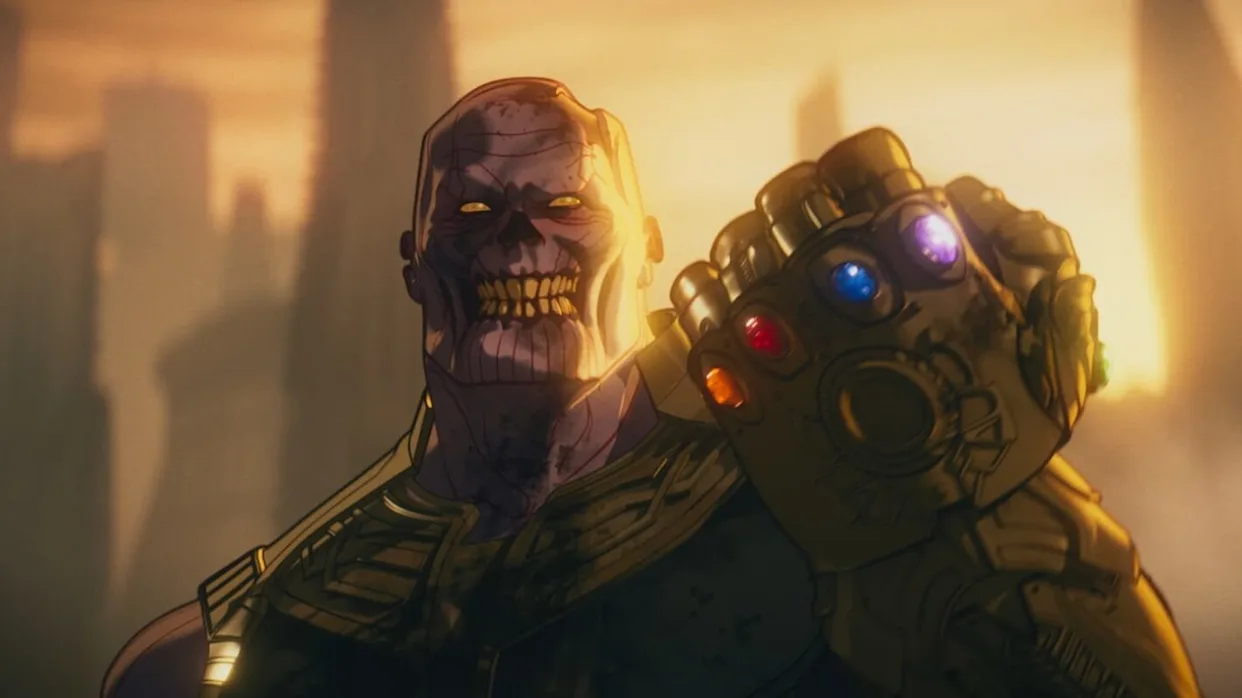
Disney+’s latest animated offering proves that even zombie apocalypses can’t fix Marvel Animation’s storytelling problems
Marvel Animation continues its ambitious quest to capture every demographic with Marvel Zombies, a four-episode spin-off that arrives on Disney+ September 24th with all the promise of a zombie-filled MCU adventure—and most of the narrative confusion that has plagued the studio’s recent animated efforts. While Iman Vellani’s powerhouse performance as Ms. Marvel provides genuine emotional weight, the series struggles under the burden of an overcomplicated plot that transforms what should be a straightforward survival horror into a convoluted mess.
A Tale of Two Halves
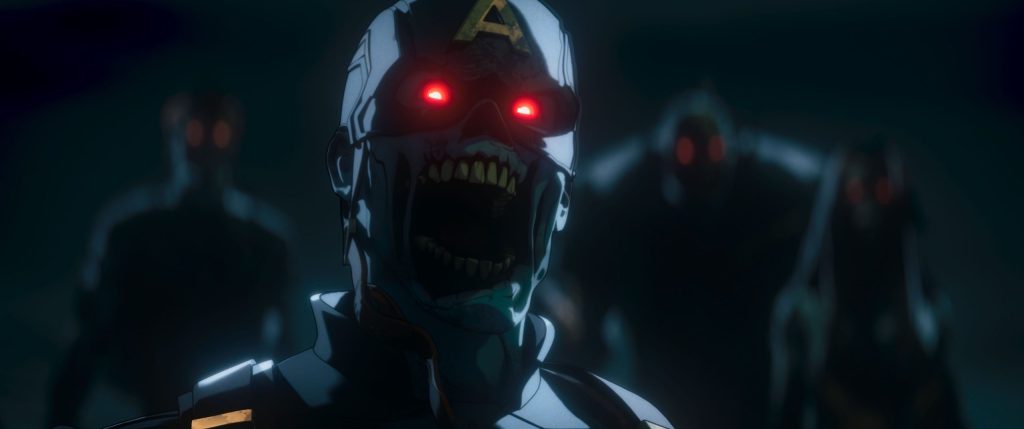
Marvel Zombies picks up five years after the memorable “What If… Zombies?!” episode, drawing inspiration from Robert Kirkman and Sean Phillips’ cult 2005 comic series. The show’s greatest strength lies in its opening episodes, which center the narrative around Ms. Marvel as she navigates this undead pocket of the multiverse. This focus transforms what could have been generic zombie carnage into something surprisingly poignant—witnessing horror through the eyes of such a pure-hearted character amplifies every tragic death and moment of violence.
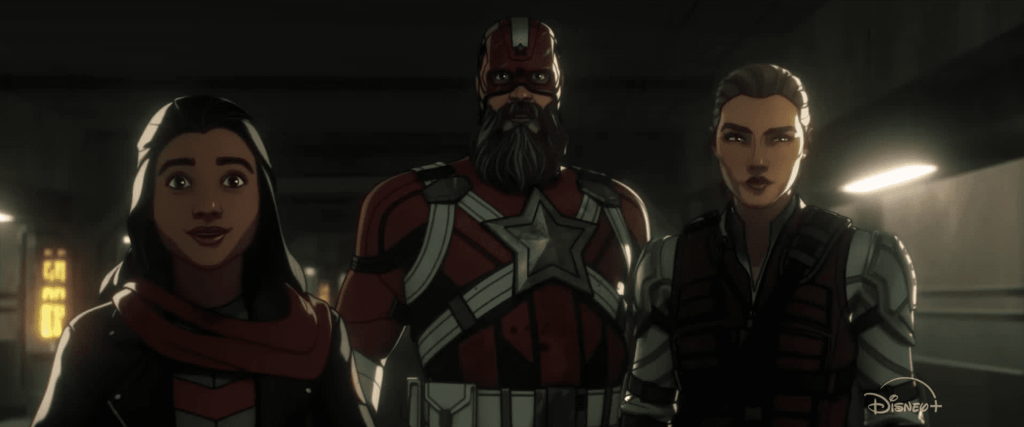
The series also delivers on long-awaited MCU moments that fans have been craving. Kate Bishop (Hailee Steinfeld), Ms. Marvel, and Ironheart (Dominique Thorne) form a compelling trio whose chemistry suggests these characters desperately need a live-action team-up. Their interactions represent Marvel Zombies at its best—character-driven storytelling that uses the zombie apocalypse as a backdrop rather than the entire show.
Vellani Carries the Emotional Weight
Iman Vellani returns to voice Ms. Marvel with the same passion that made her live-action debut so compelling. Here, she’s given space to explore new facets of Kamala Khan—particularly her emotional limits regarding regret and anger—that her Disney+ series couldn’t fully examine. Co-creators Zeb Wells and Bryan Andrews clearly understand Vellani’s strengths, placing her at the emotional center of every major story beat.
Without Vellani’s committed performance, Marvel Zombies would likely collapse under its own narrative ambitions. She serves as both audience surrogate and emotional anchor, making the series’ more outlandish moments feel grounded in genuine human experience.
Elizabeth Olsen’s Terrifying Return
Elizabeth Olsen’s return as Scarlet Witch provides the series with its most effective antagonist. Dubbed “The Queen of the Dead” in this universe, Olsen brings a supremely menacing presence that represents everything fans love about multiversal storytelling—familiar characters twisted into something genuinely threatening. Her performance alone justifies the decision to explore this particular corner of the Marvel multiverse.
The voice cast includes impressive returns from Florence Pugh, David Harbour, Simu Liu, and others, but their characters often fall victim to the series’ tonal inconsistencies. Some receive genuinely touching bonding moments, while others are killed off so quickly their deaths lose all impact. This creates a frustrating cycle where stakes should be rising but instead feel increasingly meaningless.
The Blade Knight Experiment
Perhaps the most interesting creative decision involves Blade’s MCU debut through “Blade Knight”—a conceptual mashup of Moon Knight and Blade that clearly emerged from the delays plaguing Mahershala Ali’s live-action film. While Todd Williams’ performance channels Ali’s anticipated portrayal, the character serves little narrative purpose beyond impressive action sequences that showcase the series’ 3D animation at its peak.
This inclusion highlights a broader problem with Marvel Animation’s approach: characters are included based on fan service potential rather than story necessity. Blade Knight becomes a glorified background character whose presence raises more questions about Marvel’s development process than it answers about this particular universe.
When Complexity Becomes Confusion
Marvel Zombies stumbles most severely in its second half, when a relatively straightforward zombie apocalypse premise becomes unnecessarily complicated through the introduction of a mysterious MacGuffin and increasingly convoluted plot mechanics. This mirrors the worst tendencies of What If…?, where grand concepts overwhelm character development and clear storytelling.
Rather than maintaining focus on survival horror and character dynamics, the series devolves into the kind of nonsensical threat-building that has plagued Marvel Animation’s recent output. Well-animated fight sequences lose their impact when viewers can’t track the heroes’ actual goals or understand the stakes involved.
Animation Excellence Meets Narrative Confusion
Visually, Marvel Zombies represents some of Marvel Animation’s strongest work. The 3D animation style particularly shines during action sequences, and the horror elements are handled with appropriate weight rather than gratuitous gore. The series successfully creates a genuine sense of dread while maintaining the Marvel house style.
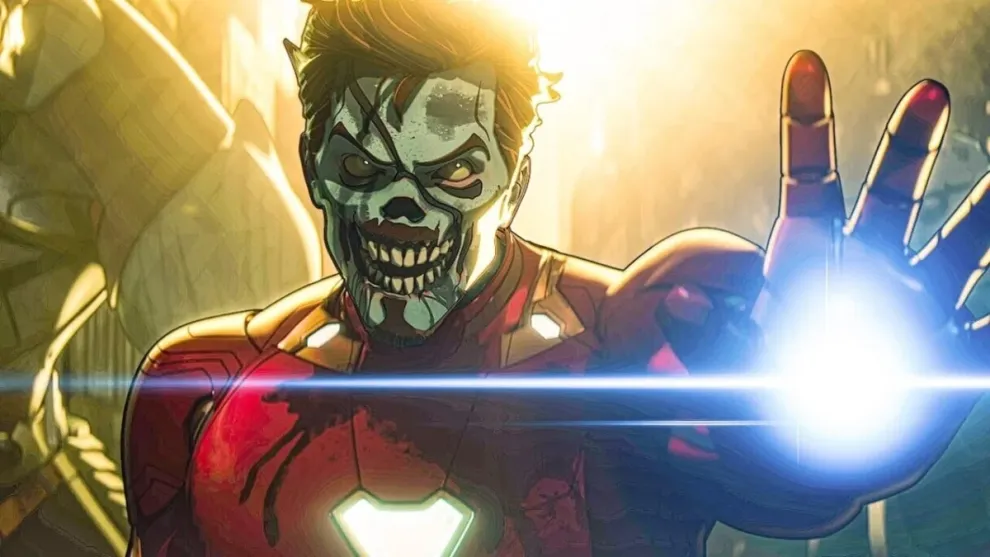
Unfortunately, strong animation can’t compensate for storytelling that becomes increasingly incoherent as episodes progress. By the finale, viewers may find themselves with more frustrating questions than satisfying answers—a particular disappointment given the series’ strong opening episodes.
The Broader Marvel Animation Picture
Marvel Zombies fits into Marvel Animation’s broader strategy of targeting different demographics through various projects. While X-Men ’97 earned critical acclaim and Your Friendly Neighborhood Spider-Man targets younger audiences, this series suggests the division still struggles with original programming that isn’t directly adapting beloved source material.
The success of individual performances—particularly Vellani’s—can’t mask fundamental storytelling issues that have plagued multiple Marvel Animation projects. There’s clear talent and ambition within the division, but execution continues to fall short of the studio’s live-action standards.
Final Verdict
Marvel Zombies succeeds as a showcase for Iman Vellani’s talents and delivers some genuinely effective horror moments, but it ultimately represents another missed opportunity for Marvel Animation. The series starts strong with compelling character dynamics and emotional stakes, only to lose itself in unnecessary complexity that undermines its own strengths.
Fans of Ms. Marvel will find plenty to appreciate in Vellani’s performance, and the series offers glimpses of what Marvel Animation could achieve with more focused storytelling. However, those hoping for a cohesive zombie apocalypse narrative may find themselves as frustrated as the survivors trying to navigate this undead wasteland.
Marvel Zombies is on Disney+, offering four episodes that showcase both the potential and persistent problems of Marvel’s animated ambitions.