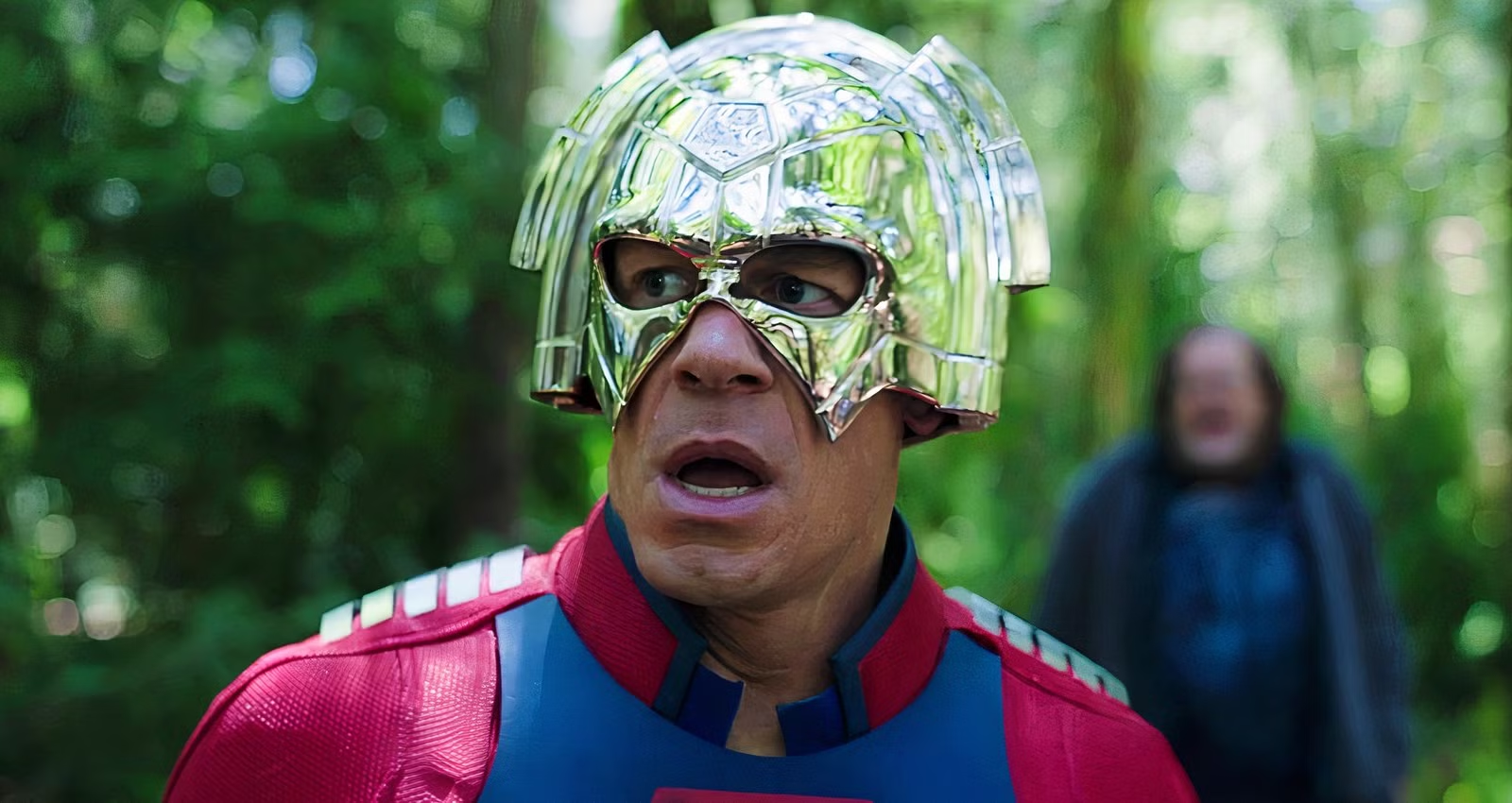
The latest episode of Peacemaker Season 2 delivered not one, but two significant DCU cameos that have sent shockwaves through the comic book community.
THE FOLLOWING CONTAINS SPOILERS FOR SEASON 2, EPISODE 6 OF PEACEMAKER
Episode 6 finally paid off the major DCU connections that James Gunn has been teasing, bringing both Lex Luthor and the infamous Belle Reve prison into the spotlight in ways that will have lasting implications for the entire DCU moving forward.
Lex Luthor’s Prison Power Play
The episode’s most anticipated moment came when A.R.G.U.S. boss Rick Flag Sr. (Frank Grillo) found himself in desperate need of specialized assistance. With dimensional rifts threatening the stability of reality—including the catastrophic one that devastated Metropolis in Superman—Flag needed someone with intimate knowledge of interdimensional technology to help locate both Peacemaker (John Cena) and his dangerous portal-opening device.
His solution? A visit to Belle Reve prison to consult with the fallen tech genius himself, Lex Luthor, portrayed by Nicholas Hoult in what marks his first appearance in Peacemaker and a crucial bridge between the series and Gunn’s broader DCU vision.
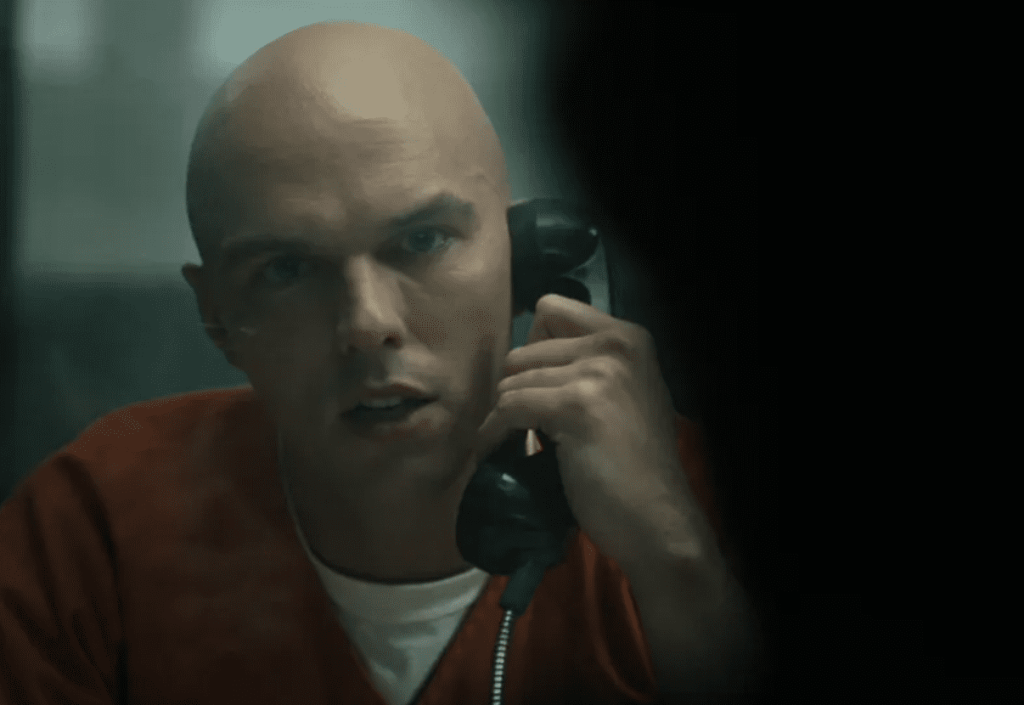
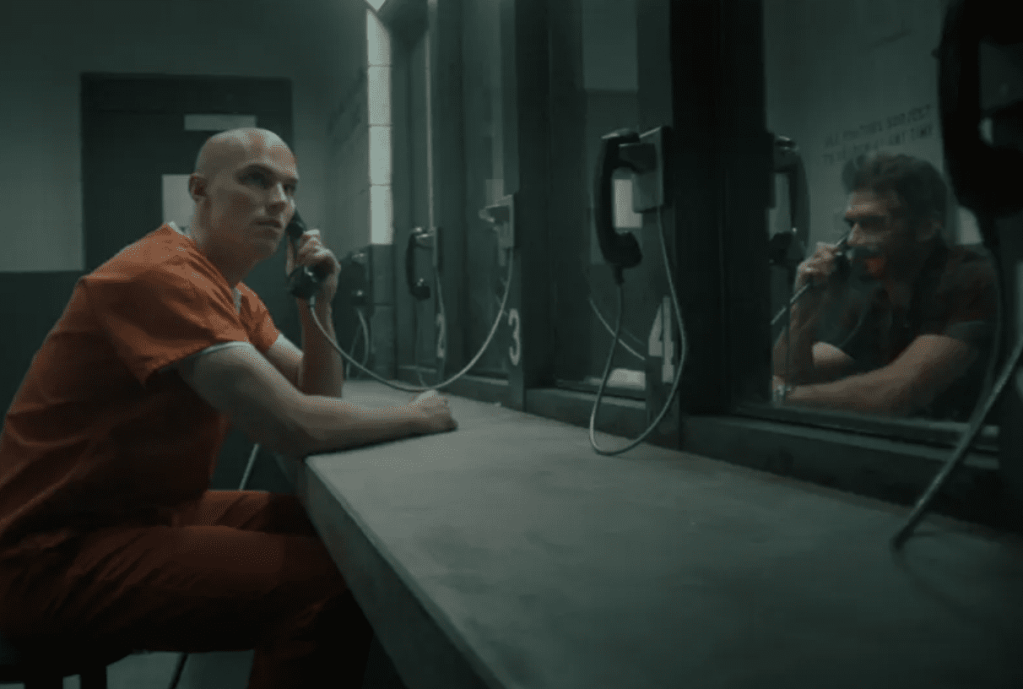
Luthor’s introduction immediately established his current circumstances within the DCU timeline. The brilliant villain is serving a staggering 265-year sentence for his role in nearly destroying Metropolis, plus additional charges related to his overseas warmongering activities that were revealed in Superman. This backstory creates a direct narrative thread connecting the series to the events of Gunn’s flagship film.
Belle Reve: DC’s Most Dangerous Prison
The second major cameo came in the form of Belle Reve itself, the notorious metahuman detention facility that comic book fans know as the home base for Task Force X and the Suicide Squad. Seeing the prison rendered in live-action within the Peacemaker universe provides another crucial piece of worldbuilding that expands the DCU’s scope beyond individual character stories.

Belle Reve’s appearance serves multiple narrative functions. It establishes the prison system’s role in managing dangerous metahumans, provides context for where the DCU’s most dangerous villains end up, and creates opportunities for future storylines involving incarcerated characters who might eventually become part of Task Force X operations.
The prison setting also allows Gunn to demonstrate the scope of the DCU’s criminal justice system, showing how authorities handle threats that go far beyond conventional law enforcement capabilities.
A Dangerous Alliance Forms
The negotiation between Flag and Luthor reveals the complexity of the DCU’s political landscape. As Gunn explained on Peacemaker: The Official Podcast, this meeting represents “a really important moment for not only Peacemaker but the entire DCU” because it establishes Flag’s willingness to make morally questionable alliances when facing existential threats.
The deal itself is fascinating in its specifics. Rather than offering Luthor freedom—which would be politically impossible given the scale of his crimes—Flag proposes transferring him from Belle Reve to Van Kull, another prison from DC Comics continuity. The key difference? Van Kull doesn’t house metahumans, which appeals to Luthor’s desire to avoid powered individuals who might pose a threat to his personal safety.
This transfer offer reveals both Flag’s desperation and his understanding of Luthor’s psychology. He’s not offering redemption or release, but rather a different kind of imprisonment that addresses Luthor’s specific concerns while giving A.R.G.U.S. access to his expertise.
The Technology Exchange
Luthor’s contribution to the alliance comes in the form of a scanning device capable of tracking Peacemaker and his portal-opening technology. This technological solution demonstrates Luthor’s continued relevance despite his incarceration—his genius-level intellect and technical expertise make him valuable even when stripped of his resources and freedom.
The scanning device also raises intriguing questions about Luthor’s preparation and resources. How did he anticipate the need for such technology? What other capabilities might he possess that could prove valuable to A.R.G.U.S. in future crises?
Physical details about Luthor’s current condition—including his use of a cane and visible limping—suggest that his imprisonment and the events surrounding his capture have taken a physical toll. These injuries add vulnerability to a character typically portrayed as untouchable, making his situation more desperate and his willingness to negotiate more believable.
Setting Up Man of Tomorrow
Perhaps most significantly, Gunn confirmed that Peacemaker Season 2 leads directly into his upcoming Superman sequel, Man of Tomorrow. This revelation transforms Flag’s deal with Luthor from a standalone plot point into the foundation for a larger story arc that will presumably see Superman forced to work alongside his greatest enemy against an even greater threat.
This narrative structure echoes classic comic book storytelling, where heroes and villains must occasionally set aside their differences to face cosmic or existential dangers. The groundwork being laid in Peacemaker suggests that whatever threat emerges in Man of Tomorrow will be significant enough to require this unlikely alliance.
The connection also demonstrates Gunn’s commitment to creating a genuinely interconnected DCU where actions in one project have meaningful consequences in others, rather than simply featuring superficial cameos or easter eggs.
Behind-the-Scenes Strategic Storytelling
Gunn’s decision to film Luthor’s cameo during the production of Superman reveals the careful planning required to create seamless DCU connectivity. By shooting both projects simultaneously, the filmmaker ensured consistency in performance, visual design, and narrative tone between properties.
Originally planned for Episode 7, Luthor’s appearance was moved to Episode 6 for pacing reasons. As Gunn explained, he needed “an in-between scene” before a particularly heavy sequence, demonstrating how individual creative decisions serve both immediate storytelling needs and broader narrative architecture.
This kind of strategic editing and scene placement shows how Gunn is thinking about the DCU as a unified whole rather than separate projects that occasionally reference each other.
Sasha Bordeaux’s Reaction: A Warning Sign
The episode also featured Sasha Bordeaux’s reaction to Flag’s announcement about partnering with Luthor, and her response suggests this alliance represents a significant moral compromise. Bordeaux’s concern reflects the audience’s likely feelings about trusting someone who nearly destroyed an entire city and serves as a reminder that expedient alliances often come with dangerous costs.
Her worry about “a man with such power as Flag” having “an agenda” adds another layer of complexity to the DCU’s political dynamics. It suggests that even the heroes working within government systems might have motivations that don’t align with public interests, creating potential conflicts that could drive future storylines.
The Bigger Picture: DCU Worldbuilding
These two cameos represent more than just fan service—they’re essential worldbuilding elements that establish how the DCU’s various institutions and power structures interact. Belle Reve’s appearance confirms the existence of specialized facilities for managing superhuman threats, while Luthor’s involvement demonstrates how even incarcerated villains remain players in the DCU’s larger games.
The episode also raises questions about other imprisoned villains and their potential roles in future stories. If Luthor remains influential enough to broker deals from behind bars, what other dangerous individuals might be housed in DCU prisons, and how might they eventually factor into the universe’s ongoing narratives?
Looking Forward: Implications for the DCU
As Peacemaker Season 2 continues building toward Man of Tomorrow, these cameos establish precedents for how the DCU will handle complex moral situations and unlikely alliances. They suggest a universe where heroism isn’t always clear-cut and where the greatest threats might require embracing morally questionable tactics.
The Flag-Luthor alliance also sets up potential future conflicts. What happens when their immediate crisis is resolved? Will Luthor honor his agreement, or will he use this opportunity to advance his own agenda? How will Superman react to learning that government agencies have been making deals with his greatest enemy?
These questions ensure that the ramifications of Episode 6’s cameos will continue resonating throughout the DCU, making what could have been simple fan service into meaningful plot development that enriches the entire interconnected universe that Gunn is carefully constructing.