When comedic geniuses Trey Parker and Matt Stone decide to aim their satirical cannons at power, the results are always spectacular. But their latest masterpiece — the Season 27 premiere “Sermon on the ‘Mount” — has done something extraordinary: it’s revealed just how thin-skinned and pathetically defensive the current administration truly is.
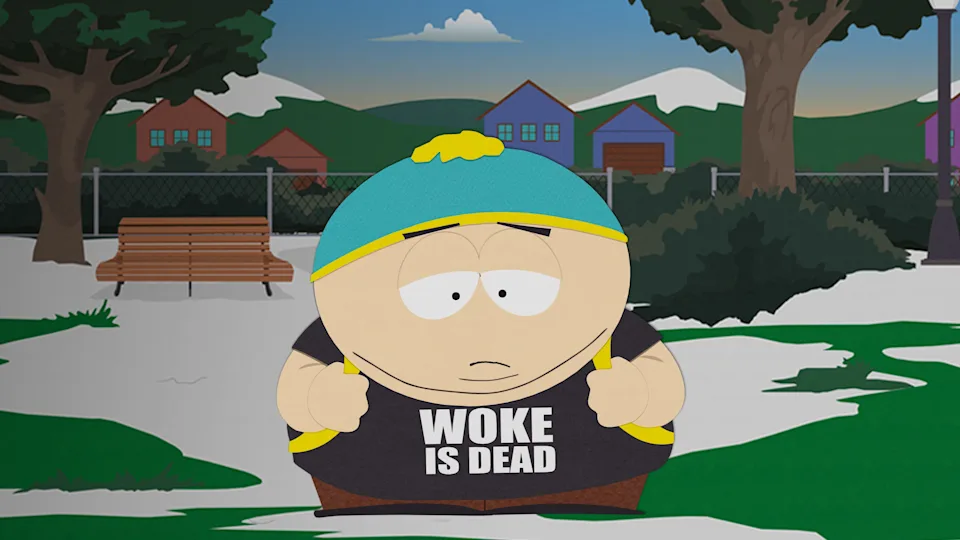
The Art of Truth-Telling Through Satire
South Park has never pulled punches, but their Trump parody in the season opener feels different — sharper, more urgent, and devastatingly accurate. The episode doesn’t just mock the president; it holds up a mirror to an administration that “can only arrest and sue people” while making everyone’s lives demonstrably worse.
The brilliance lies in the details: Trump’s character laughing while threatening to sue White House artists, the not-so-subtle references to his anatomy, and the genius move of essentially recasting him as a new version of Saddam Hussein from the South Park movie. Parker and Stone aren’t just being crude for laughs — they’re drawing deliberate parallels between authoritarian behavior patterns that should terrify anyone paying attention.
The show’s direct callouts to real-world events — the tariffs on Canada, bombing Iran — prove that this isn’t random celebrity roasting. This is targeted political commentary about policies that affect millions of lives, delivered with the surgical precision only South Park can manage.
The White House’s Pathetic Response Proves the Point
But here’s where it gets truly beautiful: the administration’s response to the episode perfectly validates everything Parker and Stone were saying. White House spokesperson Taylor Rogers’ statement reads like it was written by someone having a complete meltdown, hitting every predictable note of wounded authoritarianism.
“This show hasn’t been relevant for over 20 years,” Rogers whined, apparently unaware that irrelevant shows don’t typically spark official White House responses. The spokesperson’s claim that South Park is “hanging on by a thread with uninspired ideas” is particularly rich coming from an administration whose policy playbook seems lifted directly from a 1950s dictator’s handbook.
The most telling part? Rogers’ desperate attempt to flip the script by claiming liberals are hypocritical for suddenly praising South Park. This completely misses the point — South Park has always been an equal-opportunity destroyer of sacred cows. The difference is that when they mocked Obama or Clinton, those administrations had the maturity and confidence to either ignore it or laugh it off. This White House? They’re drafting official statements like wounded teenagers on social media.
Corporate Cowardice vs. Creative Courage
The episode’s subplot about Paramount’s $16 million settlement with Trump is perhaps the most damning indictment of all. Through the character of Jesus Christ — speaking “through clenched teeth” about being forced back to school as “part of a lawsuit and the agreement with Paramount” — Parker and Stone aren’t just commenting on their own situation. They’re exposing the broader chilling effect this administration has on free speech and creative expression.
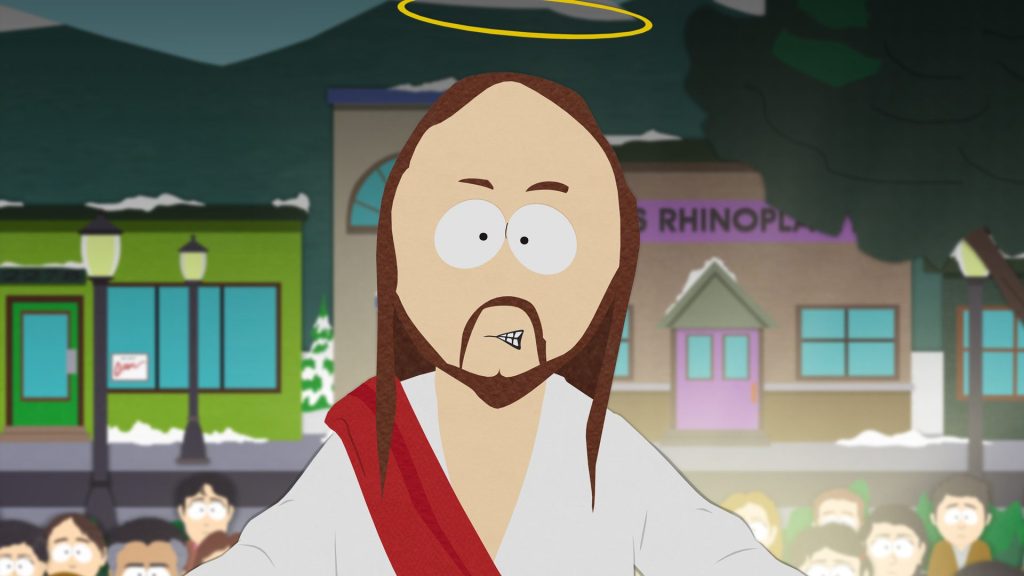
“The guy can do whatever he wants now that someone backed down,” Jesus warns, and the reference to CBS and Stephen Colbert’s show ending drives the point home with sledgehammer subtlety. This is what happens when corporations prioritize profit over principles, when they’d rather pay protection money than stand up to bullies.
The fact that Parker and Stone managed to secure a $1.5 billion deal with Paramount+ immediately after this controversy shows something crucial: audiences are hungrier than ever for creators who won’t bow down to authoritarian pressure. People want authenticity, not sanitized corporate content designed to offend nobody.
The Deeper Truth About Power and Ridicule
What makes this entire situation so revealing is how it exposes the fundamental weakness of authoritarian personalities. Dictators throughout history have shared one consistent trait: they cannot tolerate being laughed at. Respect can be demanded, fear can be imposed, but laughter? Laughter reveals the emperor’s nakedness, and there’s no executive order that can put the clothes back on.
Parker and Stone understand this instinctively. Their “South Park Pro-Trump” PSA featuring the deepfake Trump shuffling naked through the desert while a voiceover declares “His penis is teeny tiny, but his love for us is large” isn’t just juvenile humor — it’s a masterclass in using ridicule to deflate pompous authority.
The administration’s furious response proves they know exactly how effective this kind of satirical warfare can be. If they truly believed South Park was irrelevant and uninspired, they would have ignored it entirely. Instead, they’ve handed Parker and Stone the greatest gift any satirist can receive: proof that their work is hitting exactly where it hurts most.
Why This Matters Beyond Comedy
This isn’t just about a cartoon show making fun of a politician. This is about the fundamental role of satirists in a democratic society — to comfort the afflicted and afflict the comfortable, to punch up at power rather than down at the powerless, and to remind us that no leader is above mockery.
When an administration responds to comedy with official denunciations, when corporations pay millions to avoid presidential tantrums, when late-night hosts lose their shows after calling out obvious corruption — these aren’t isolated incidents. They’re symptoms of a democracy under assault by people who believe they should be above criticism, above accountability, and above the very freedoms that make America worth defending.

Parker and Stone have done something remarkable here: they’ve created a 22-minute episode that simultaneously entertains, educates, and exposes. They’ve shown us exactly who we’re dealing with, and the administration’s response has confirmed every unflattering detail.
The Last Laugh
As South Park prepares for whatever retaliation might come next, one thing is clear: they’ve already won this battle. They’ve created art that speaks truth to power, sparked national conversation about authoritarian overreach, and — perhaps most importantly — reminded us all that laughter remains one of our most powerful weapons against tyranny.
The White House can draft all the wounded statements they want. Corporate executives can cut all the settlement checks they please. But they can’t stop people from laughing at the absurdity of it all, and they certainly can’t stop South Park from holding up that mirror and asking the uncomfortable questions that need asking.
In the end, that’s what great satire does: it forces us to see clearly, even when — especially when — those in power desperately want us to look away.