Stranger Things has always been about fighting monsters. From the Demogorgon to Vecna, the heroes of Hawkins have battled supernatural evils from another dimension. But as the series prepares for its grand finale on New Year’s Eve, it’s facing a very real-world monster: targeted, bad-faith backlash. For the first time in its celebrated history, Stranger Things has been review-bombed, with its audience score on Rotten Tomatoes plummeting to a series-low 56% (Rotten) from a previous 73%. Episode seven also has a 5.5 out of 10 on IMDb.
This isn’t a critique of pacing, acting, or CGI. Dig into the influx of 0.5 and 1-star reviews, and the motivation becomes painfully clear. The language is a familiar, toxic chorus: “propaganda,” “political agenda,” “woke ideology.” The specific target? Will Byers’ poignant journey of self-discovery and the continued, beloved presence of Robin Buckley, a confirmed lesbian character.
This coordinated attack is an unwanted first for the show, but it represents a critical moment—not just for Stranger Things, but for the visibility and acceptance of LGBTQ+ stories in mainstream media. It’s a backlash that reveals more about the state of fandom than it does about the quality of the season.
Will’s Journey: From The “Zombie Boy” to A Young Man Finding Himself
Will Byers has always been different. Abducted to the Upside Down in Season 1, he has carried the scars of trauma and otherness longer than any character. For years, his queerness was textual, a quiet understanding shared between the character, the actors, and an empathetic audience. Season 5 finally brings that subtext into the light, giving Noah Schnapp’s character the narrative focus he deserves to explore his identity and feelings, particularly for his best friend, Mike.

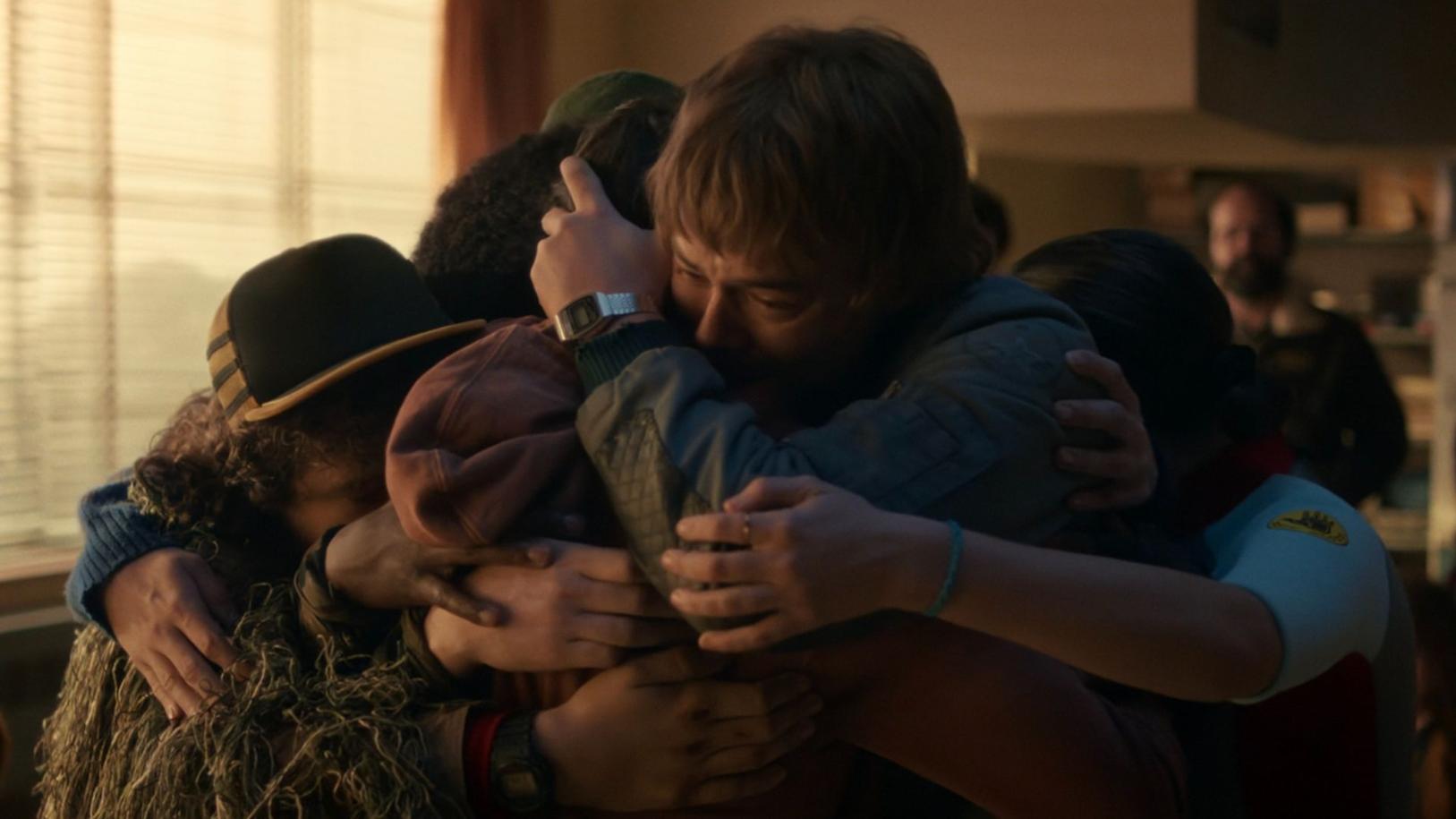
This isn’t “shoehorned” storytelling; it’s long-form character payoff. It’s the authentic, often awkward, and deeply emotional process of a young man in the 80s grappling with who he is in a world that doesn’t yet have the language to support him. Will’s story to self-acceptace has been a part of the character’s arc since season 1. The first interaction we saw between Joyce and Hopper, Joyce mentions how Will’s father called him “queer” as well as a gay slur. Through season 3 to 5, The Duffers have been even heavier handed on Will’s sexuality. All culminating to this moment in the penultimate episode before the grande finale where Will shares his secret so Vecna can not use his fear against him.
For many LGBTQ+ viewers, especially those who grew up in eras without representation, Will’s story is a powerful mirror and a form of narrative healing. It affirms that characters like him—sensitive, artistic, brave in ways that defy stereotypical masculinity—are the heroes of their own stories.
The Playbook of Backlash: Why “Woke” Is Just a Dog Whistle
The review-bombing of Season 5 follows a depressingly predictable playbook. When a piece of popular media includes queer characters not as jokes, villains, or tragic figures, but as fully realized people with agency and love, a segment of the audience reacts not with critique, but with erasure.
The terms used—“propaganda,” “gender ideology”—are not critiques of writing or directing. They are dog whistles meant to frame the mere existence of LGBTQ+ people as a political statement rather than a human reality. Robin’s witty, confident presence isn’t “an agenda”; it’s representation. Will’s storyline isn’t “ideology”; it’s identity. To attack a show for exploring these themes is to demand that queer characters remain in the closet, both narratively and culturally.
It’s crucial to separate this orchestrated bombing from genuine criticism. Some fans may have wished for more screen time for other original characters or had narrative critiques—that’s valid fandom discourse. But the sudden, massive drop in scores driven by repetitive, hate-focused language is a coordinated act of cultural suppression, not criticism.
Why Standing With Hawkins Means Standing With Will & Robin
The Duffer Brothers have built a world where the core message is that love, friendship, and embracing what makes you different are the ultimate weapons against darkness. Eleven found family. Steve Harrington found purpose. The series’ heart has always been with the outsiders.
To celebrate Stranger Things while rejecting the queer stories at its core is to miss its entire point. Will and Robin aren’t “add-ons”; they are integral to the fabric of Hawkins. Robin’s intelligence and humor have saved the group multiple times. Will’s sensitivity and connection to the Upside Down have been plot-critical from the start. Their identities are part of their whole, beautiful selves.
As we approach the series finale on New Year’s Eve, the review-bombing attempt presents a choice for true fans. We can let a vocal minority define the conversation through bad-faith attacks, or we can loudly support the show’s commitment to telling inclusive stories. We can affirm that LGBTQ+ teens in the 80s existed, that their stories are worth telling, and that in the battle for the soul of Hawkins—and our own cultural narrative—inclusion is non-negotiable.
The real monster was never just in the Upside Down. Sometimes, it’s in the impulse to silence, to bully, and to deny people their stories. Stranger Things Season 5, by giving Will and Robin their due, is fighting that most human of evils. And in that fight, standing with them is the only way to truly be on the side of the heroes.