James Gunn’s ambitious DC Universe continues to generate excitement, and his upcoming Superman: Man of Tomorrow promises to deliver one of the most intriguing superhero narratives in recent memory.
While the film won’t arrive until July 9, 2027, early details suggest Gunn is crafting something genuinely special—a character-driven story that dares to explore the complex relationship between Superman and his greatest enemy in unprecedented ways.
A Villain Reveal Hidden in Plain Sight?
Comic book fans went into detective mode this week when Gunn shared a tantalizing image on social media: the cover page of Man of Tomorrow‘s script featuring an X-ray vision perspective of a human brain. The implications seemed obvious to eagle-eyed enthusiasts—brain imagery could only mean one thing: Brainiac, one of Superman’s most formidable and intellectually challenging adversaries.
While Gunn hasn’t officially confirmed Brainiac’s involvement, the teaser feels deliberately provocative. The writer-director has proven masterful at building anticipation through carefully chosen reveals, and this cryptic hint suggests the sequel will introduce threats that go far beyond physical confrontation. If Brainiac does appear, it would represent a perfect escalation from the first film, moving from earthly concerns to cosmic-level dangers that require more than just super strength to overcome.
The Heart of the Story: An Unlikely Alliance
What makes Man of Tomorrow particularly compelling is Gunn’s confirmed focus on the Superman-Lex Luthor dynamic. Both David Corenswet and Nicholas Hoult will return to their respective roles, but this time, their relationship takes a fascinating turn. As Gunn revealed on The Howard Stern Show, the film centers on “Superman having to work together to a certain degree against a much, much bigger threat.”
This isn’t just a superhero sequel—it’s “as much a Lex movie as it is a Superman movie,” according to Gunn. The concept of forcing these eternal enemies into an uneasy alliance opens up rich storytelling possibilities. How do you make Lex Luthor sympathetic without betraying his core character? How does Superman navigate working alongside someone who fundamentally opposes everything he represents?
Exploring Luthor’s Heroic Potential
Perhaps most intriguingly, Gunn has expressed interest in exploring the “incredibly heroic” aspects of Lex Luthor’s character. Speaking on the Ringer-Verse podcast, the filmmaker emphasized his desire to dig deeper into Luthor’s humanity: “I think getting to know more of Lex as a human being.” This approach suggests Man of Tomorrow will move beyond the typical megalomaniacal villain portrayal to examine what drives Luthor’s obsessions and whether those motivations might, under extreme circumstances, align with heroic goals.
The early promotional materials support this character-focused approach. When announcing the film, Gunn, Corenswet, and Hoult shared comic book imagery depicting Luthor in his classic green war suit—not the business suit of a corporate villain, but the armor of someone preparing for battle alongside Superman rather than against him.
Building on Strong Foundation
Man of Tomorrow will follow several other DC Universe projects, including the currently airing Peacemaker season 2 on HBO Max and next year’s Supergirl (June 26, 2026). This scheduling allows Gunn to build narrative momentum across multiple properties while giving audiences time to fully digest each installment.
The positioning suggests confidence in the broader DCU vision. Rather than rushing to capitalize on Superman’s return, Gunn is taking time to develop the universe methodically, ensuring each film serves both as standalone entertainment and part of a larger tapestry.
The Challenge of Elevated Expectations
Gunn’s obvious passion for the project—”I just love the script so much”—is both encouraging and slightly concerning. When a filmmaker becomes this emotionally invested in their work, it often results in either transcendent storytelling or ambitious overreach. The director’s admission that he “relates to the character of Lex, sadly” suggests deep personal connection to the material, which could elevate the psychological complexity of both characters.
However, the concept of Superman and Lex Luthor working together has been attempted before in various comics and adaptations with mixed results. The challenge lies in maintaining the fundamental tension that makes their relationship compelling while creating genuine reasons for cooperation. Too much collaboration risks undermining what makes Luthor dangerous; too little makes the team-up feel forced or superficial.
Visual Storytelling Potential
If Brainiac does serve as the “much, much bigger threat,” the film gains access to spectacular visual possibilities. Brainiac’s cosmic scope and technological prowess would provide stunning set pieces while forcing both Superman and Luthor to confront challenges that play to their respective strengths—Superman’s moral clarity and Luthor’s intellectual brilliance.
The X-ray vision tease suggests Gunn understands the importance of showcasing Superman’s unique abilities in creative ways. Rather than relying solely on flight and strength, the film might explore how Superman’s various powers become essential tools for understanding and combating a threat that operates on multiple levels of reality.
Managing the Balancing Act
Man of Tomorrow faces the delicate challenge of serving multiple masters: satisfying Superman fans who want to see their hero shine, Luthor enthusiasts eager for deeper character exploration, and general audiences who need clear stakes and emotional investment. Gunn’s track record with ensemble pieces like Guardians of the Galaxy suggests he understands how to balance multiple character arcs without losing narrative focus.
The film’s July 2027 release date provides ample development time, allowing Gunn to refine the complex character dynamics and ensure the story earns its emotional beats. Given the filmmaker’s comments about the script’s quality, this extended timeline seems designed for perfection rather than delay.
A Sequel Worth the Wait
Despite the long wait ahead, Superman: Man of Tomorrow represents exactly the kind of ambitious storytelling that DC fans have been craving. By focusing on character relationships rather than just spectacle, Gunn appears to be crafting a superhero film that operates on multiple levels—action spectacular, psychological drama, and philosophical examination of heroism itself.
The film’s greatest strength may be its willingness to complicate traditional superhero narratives. Instead of clear-cut good versus evil, we’re getting a story about former enemies finding common ground against existential threats. If executed properly, this approach could deliver one of the most emotionally resonant Superman stories ever filmed.
While questions remain about execution and whether the ambitious concept can deliver on its promise, the early signs suggest James Gunn is building something special. Superman: Man of Tomorrow isn’t just another superhero sequel—it’s an exploration of what happens when the world’s greatest hero and his most dangerous enemy realize they need each other.
The brain teaser on that script cover might be more literal than fans realize. This film could very well challenge audiences to think differently about superhero storytelling, heroism, and the thin lines between salvation and destruction. If Gunn succeeds, Man of Tomorrow won’t just be worth the wait—it could redefine what Superman stories can achieve.
Who Could Bring Brainiac to Life?
If Brainiac does indeed serve as the film’s primary antagonist, casting becomes crucial. The character demands an actor who can convey superhuman intelligence while maintaining the cold, calculating menace that makes Brainiac so formidable. Several actors from Gunn’s past collaborations and beyond present intriguing possibilities.
Lee Pace: The Gunn Universe Veteran

Given James Gunn’s tendency to bring familiar faces to new projects, Lee Pace emerges as a compelling frontrunner. His portrayal of Ronan the Accuser in Guardians of the Galaxy demonstrated his ability to command attention while buried under elaborate makeup and alien prosthetics. Pace’s theatrical background and impressive range—from the gentle Ned the Piemaker in Pushing Daisies to the cold, calculating Joe MacMillan in Halt and Catch Fire—suggests he could find the perfect balance between Brainiac’s intellectual superiority and menacing presence.
Currently starring in Foundation as multiple clones of an interstellar emperor, Pace has recent experience with the kind of cosmic-scale villainy that Brainiac represents. His comfort with both dramatic weight and comic book theatricality makes him an ideal candidate for bringing one of Superman’s most cerebral enemies to life.
Michael C. Hall: The Voice of Calculated Evil

Michael C. Hall’s decades-long portrayal of Dexter Morgan has essentially been an extended audition for playing a superintelligent villain. His distinctive baritone voice and ability to convey cold, analytical thinking while maintaining surface charm aligns perfectly with Brainiac’s character requirements. Hall’s internal monologue work in Dexter demonstrates his skill at expressing complex thought processes—exactly what’s needed for a character whose primary weapon is his intellect.
The actor’s previous DC experience voicing a vampire Batman in Justice League: Gods and Monsters shows his comfort with comic book material, while his Dexter work proves he can maintain menace across extended storylines. Hall’s casting would bring gravitas and genuine unsettling presence to the role.
Dave Bautista: The Unexpected Genius

Perhaps the most unconventional choice, Dave Bautista represents a fascinating what-if scenario. While Brainiac is traditionally portrayed as physically unimposing, relying on intellect rather than brawn, Bautista’s recent dramatic work suggests he could subvert expectations brilliantly. His performances in Blade Runner 2049 and Knock at the Cabin showcase his ability to play against type, using his imposing physicality to create unexpectedly gentle or intellectually curious characters.
The concept of Bautista’s Brainiac sporting tiny glasses—either as an affectation to appear more “intellectual” to humans or as a twisted homage to Superman’s Clark Kent disguise—embodies exactly the kind of earnest comic book weirdness that defines Gunn’s approach to superhero storytelling. This casting would signal that the DCU isn’t afraid to take creative risks with iconic characters.
Will Poulter: The Rising Threat
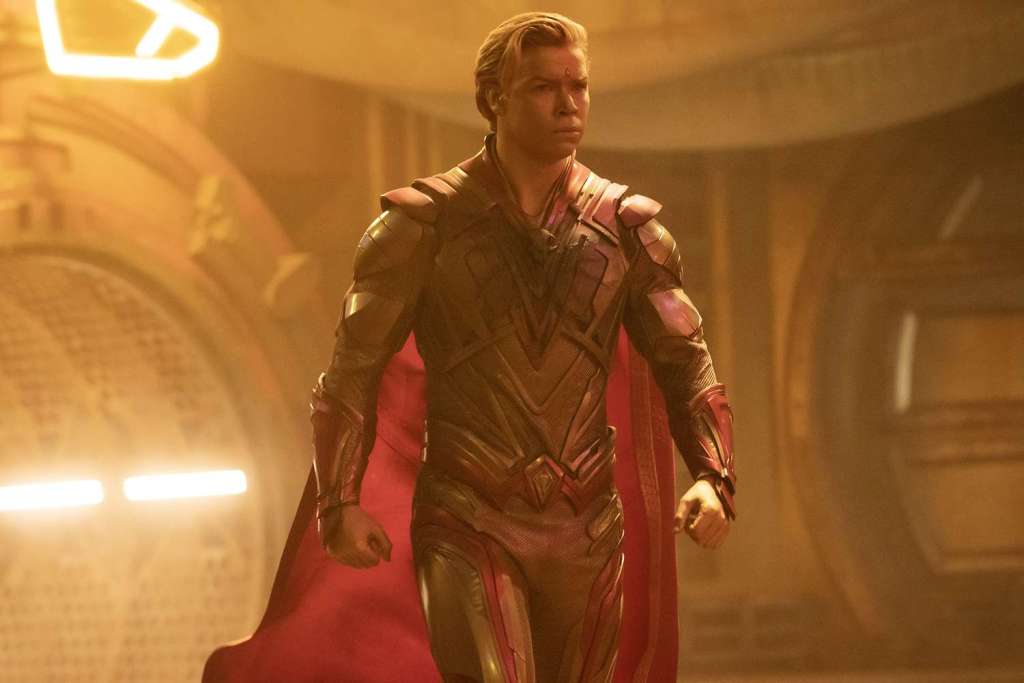
Will Poulter offers an intriguing blend of dramatic range and physical presence that could serve Brainiac well. His work in Black Mirror: Bandersnatch revealed his ability to portray twisted, obsessive intelligence, while his broader filmography demonstrates comfort with both comedy and psychological drama. Poulter’s tall, imposing frame could work well for a more physically threatening version of Brainiac, while his ability to convey sinister calculation would handle the character’s intellectual aspects.
As someone often mentioned alongside Nicholas Hoult in discussions of British acting talent, Poulter’s casting would create an interesting dynamic with Hoult’s Lex Luthor, potentially playing into themes of competing forms of genius and megalomania.
Vin Diesel: The Reunion Play

The most surprising potential choice, Vin Diesel’s previous collaboration with Gunn as the voice of Groot demonstrates their successful working relationship, even in an unconventional context. While Diesel is primarily known for action roles, his distinctive voice and commanding presence could translate interestingly to Brainiac’s calculated menace.
Diesel’s experience with motion capture and voice work from the Guardians films suggests he could handle the likely heavy makeup or CGI requirements for bringing Brainiac’s alien physiology to life. His casting would represent the biggest departure from traditional interpretations, but it could also signal Gunn’s confidence in finding unexpected depths in familiar performers.