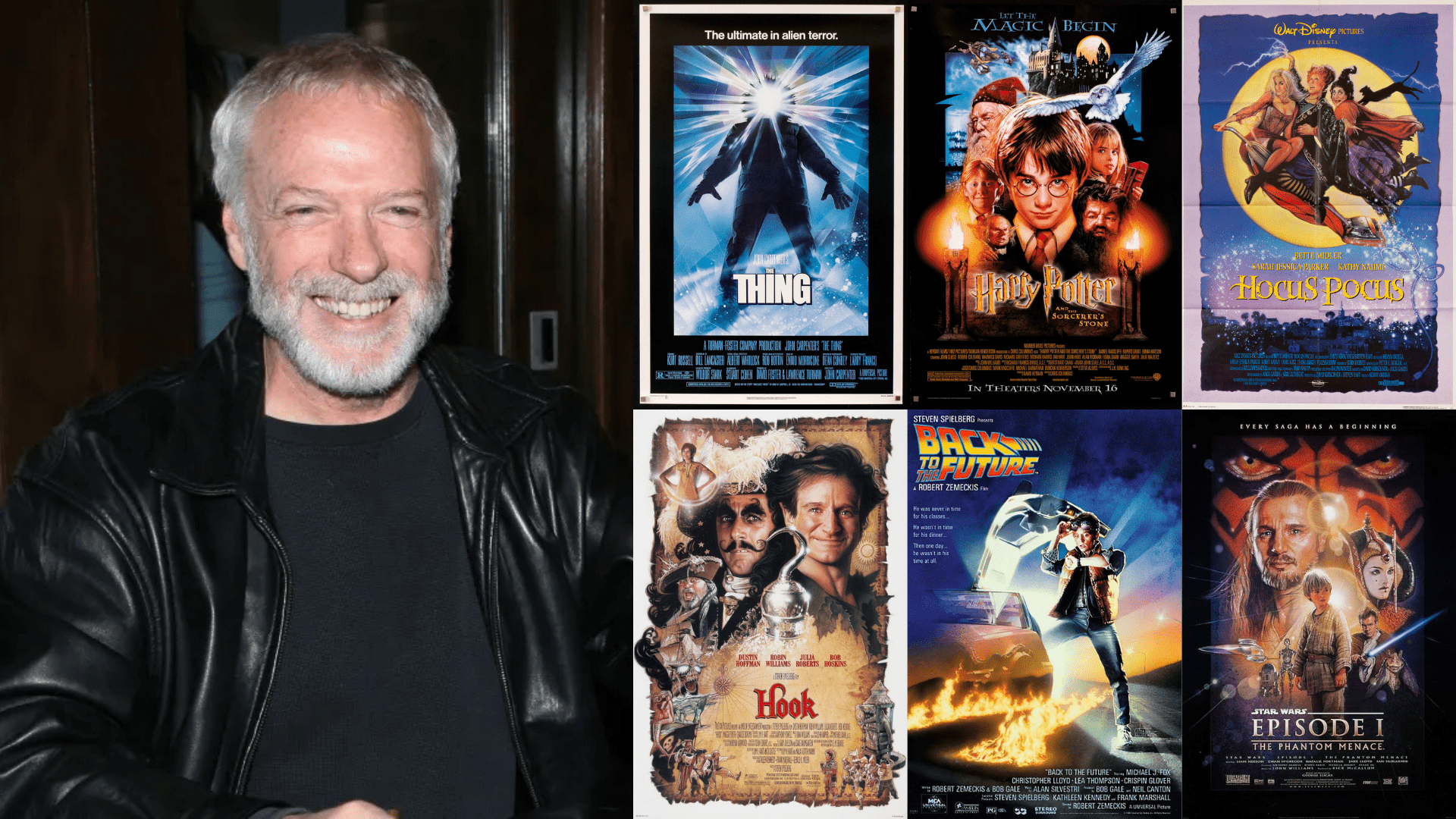
Drew Struzan, the visionary artist whose brushwork defined the visual identity of Hollywood’s most beloved franchises for generations of moviegoers, passed away on October 13, 2025, at the age of 78. He had been courageously battling Alzheimer’s disease for several years.
The announcement of Struzan’s passing came through his Instagram account: “It is with a heavy heart that I must tell you that Drew Struzan has moved on from this world as of yesterday, October 13th. I feel it is important that you all know how many times he expressed to me the joy he felt knowing how much you appreciated his art.”
A Legacy Painted in Cinema Magic
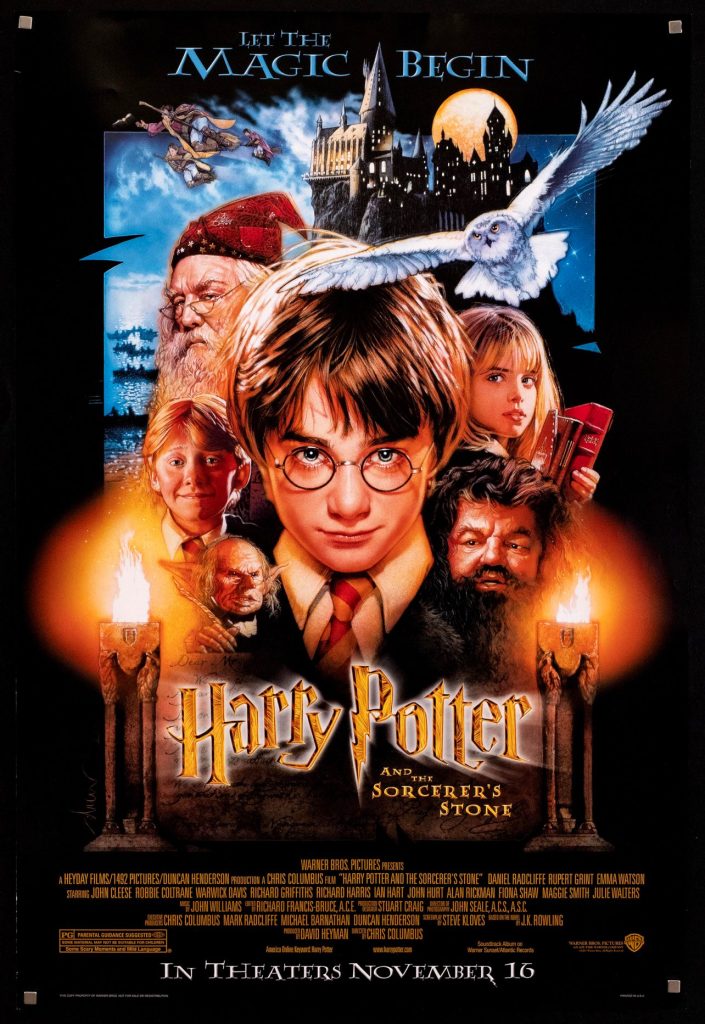
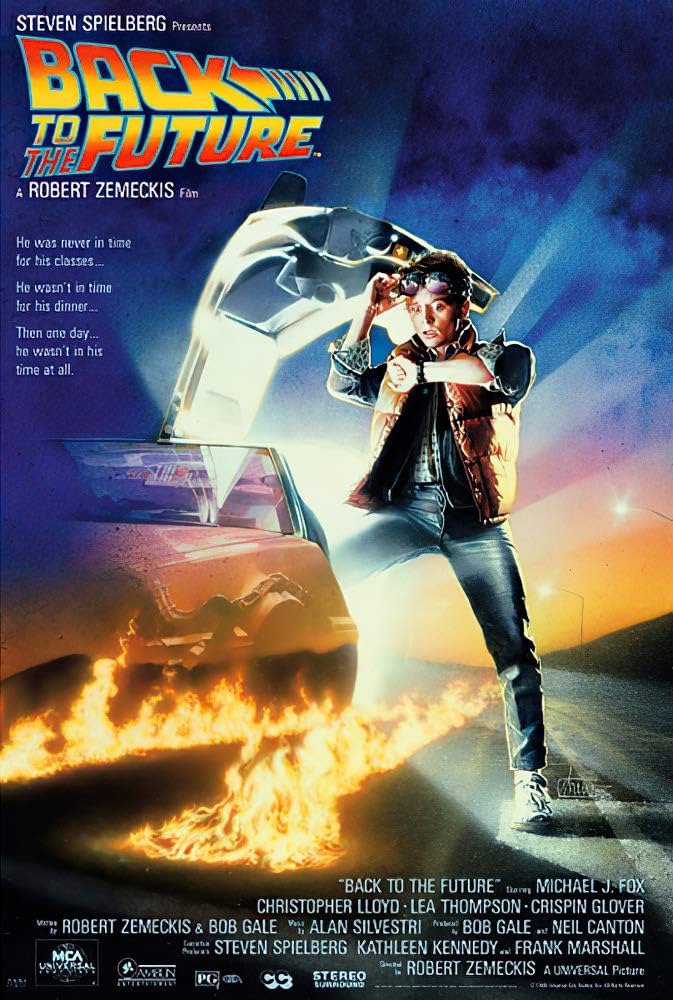
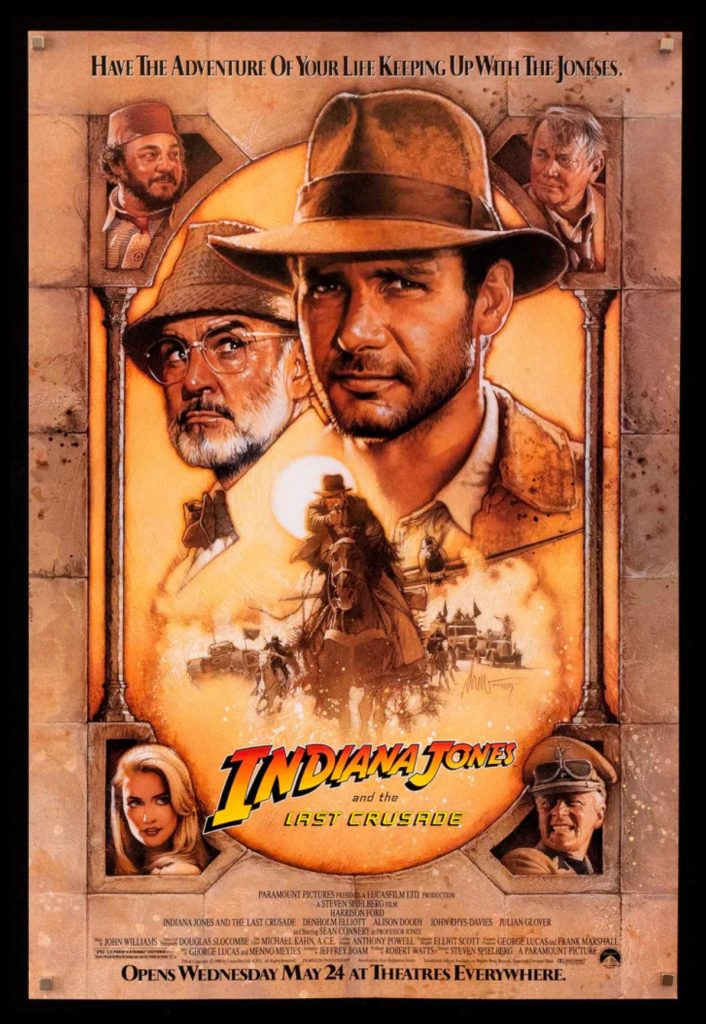
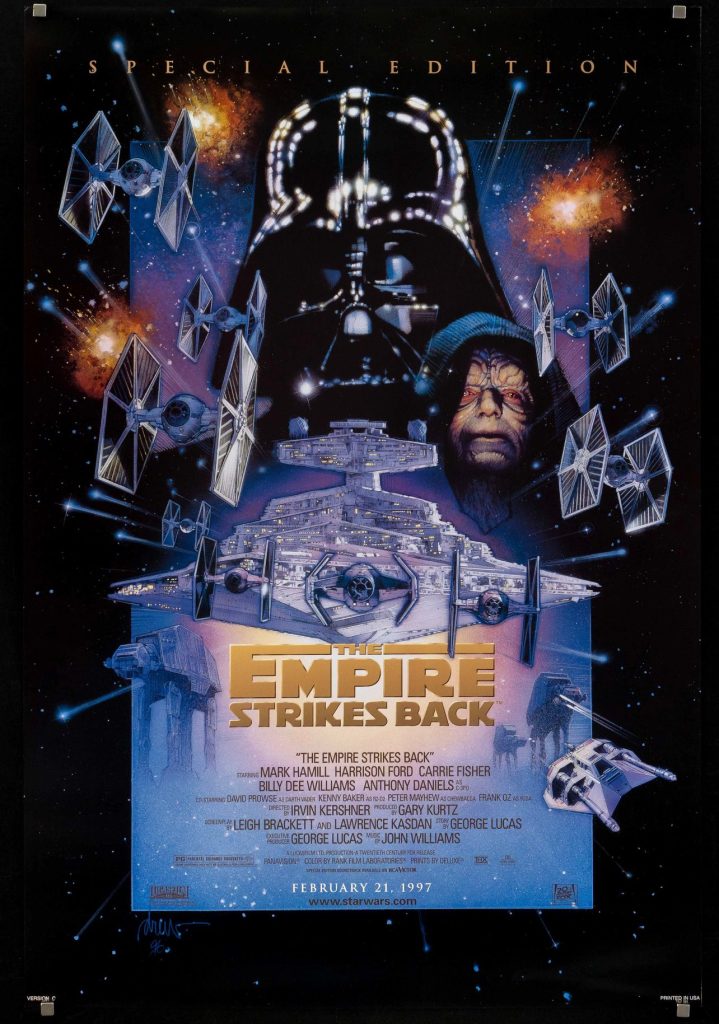
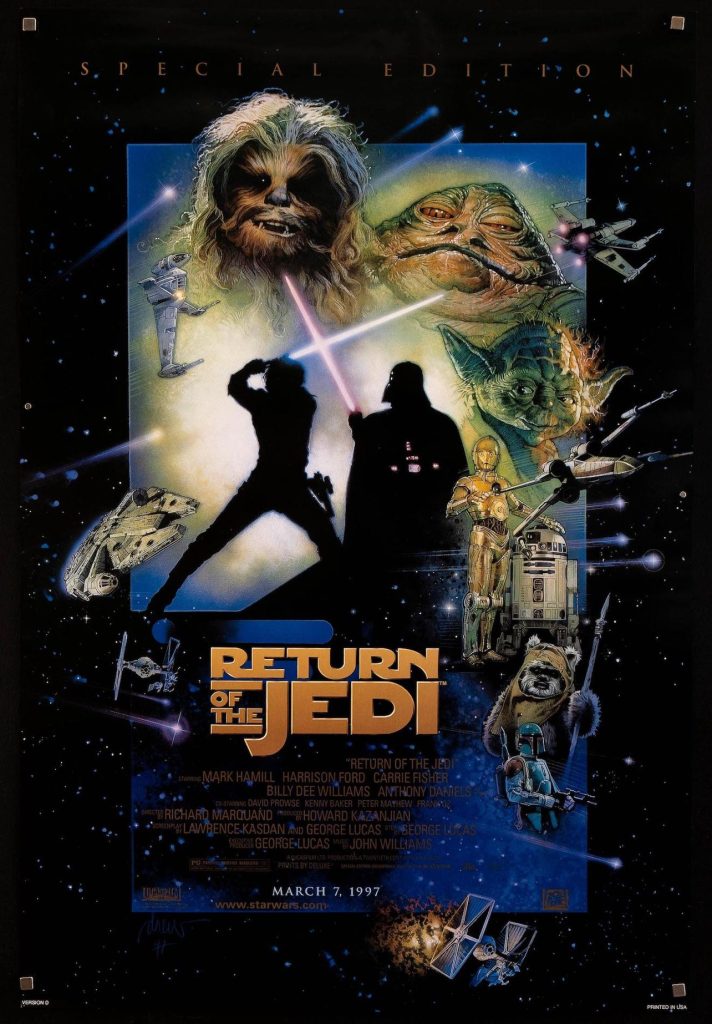
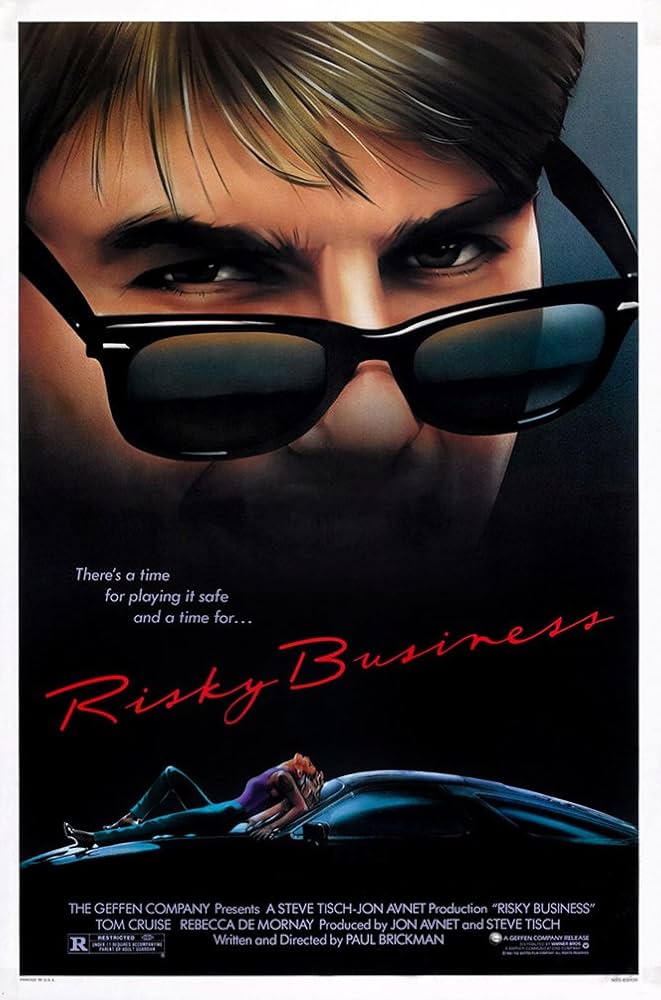
Struzan’s artistic contributions to cinema are immeasurable. His portfolio includes some of the most recognizable movie posters ever created, but his enduring legacy rests particularly in his work for the Star Wars, Indiana Jones, Harry Potter, and Back to the Future franchises—artwork that captured the wonder and adventure of these films for countless fans across multiple generations.
Steven Spielberg, who collaborated with Struzan on numerous occasions, once remarked: “I had to almost live up to the art that we later were going to ask Drew to create for the poster.” This statement speaks volumes about the esteem in which Hollywood’s greatest filmmakers held Struzan’s talents.
From Album Covers to Hollywood Icons
Born in 1947 in Oregon, Struzan first made his mark in the music industry, creating album covers for prominent artists including the Bee Gees, Alice Cooper, and Black Sabbath. His early work in music established his distinctive style—one that melded technical mastery with emotional resonance.
As Slash Film aptly observed: “For an artist who vibed on the macabre and cosmic fantasies of 1970s music acts, Struzan was a natural fit for a Hollywood that was on the cusp of a massive paradigm shift toward gee-whiz epic sci-fi and cliffhanger-driven mega-adventures.”
Struzan’s transition to film began with B-movies of the 1970s, including Food of the Gods and Empire of the Ants. His breakthrough came in 1978 when he illustrated the human figures for the re-release poster of Star Wars—his first step into what would become a legendary association with George Lucas’s galaxy far, far away.
The Golden Age of Movie Posters
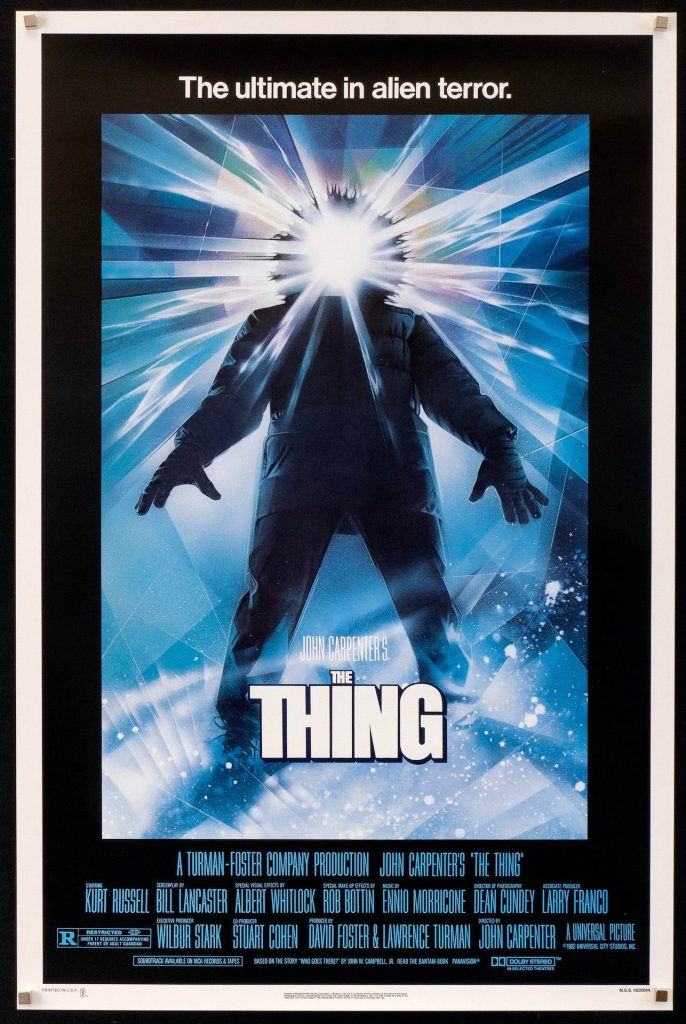
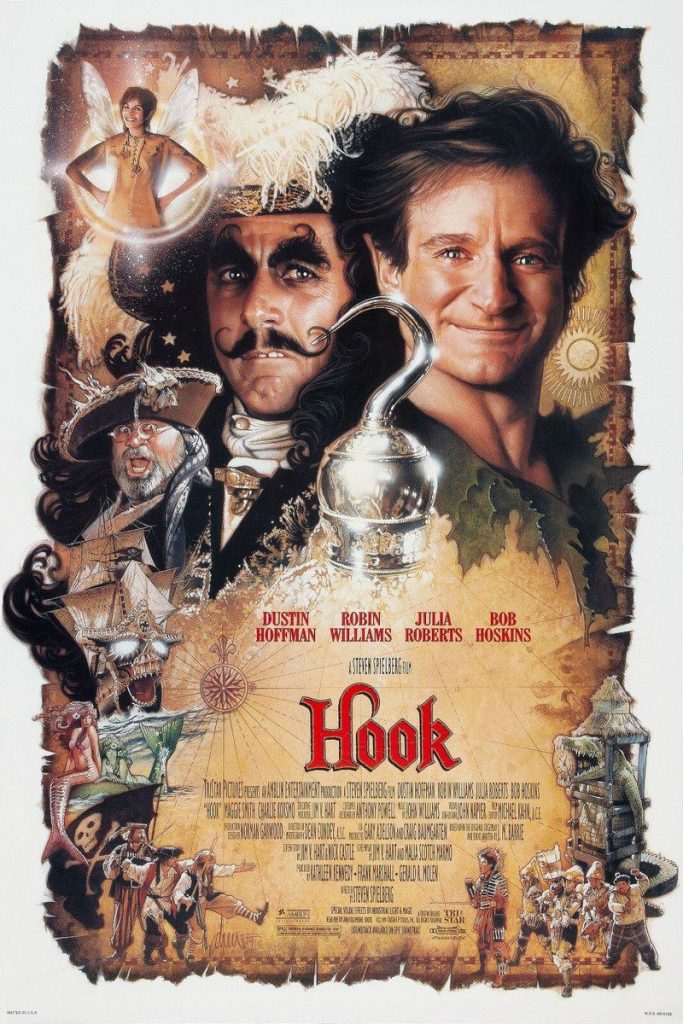
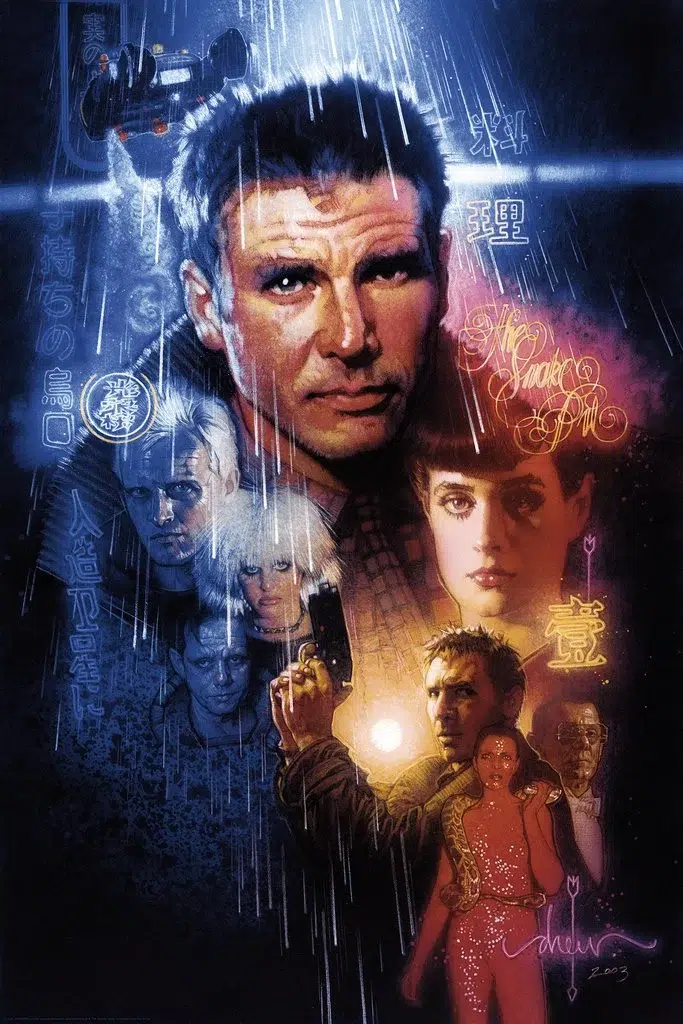
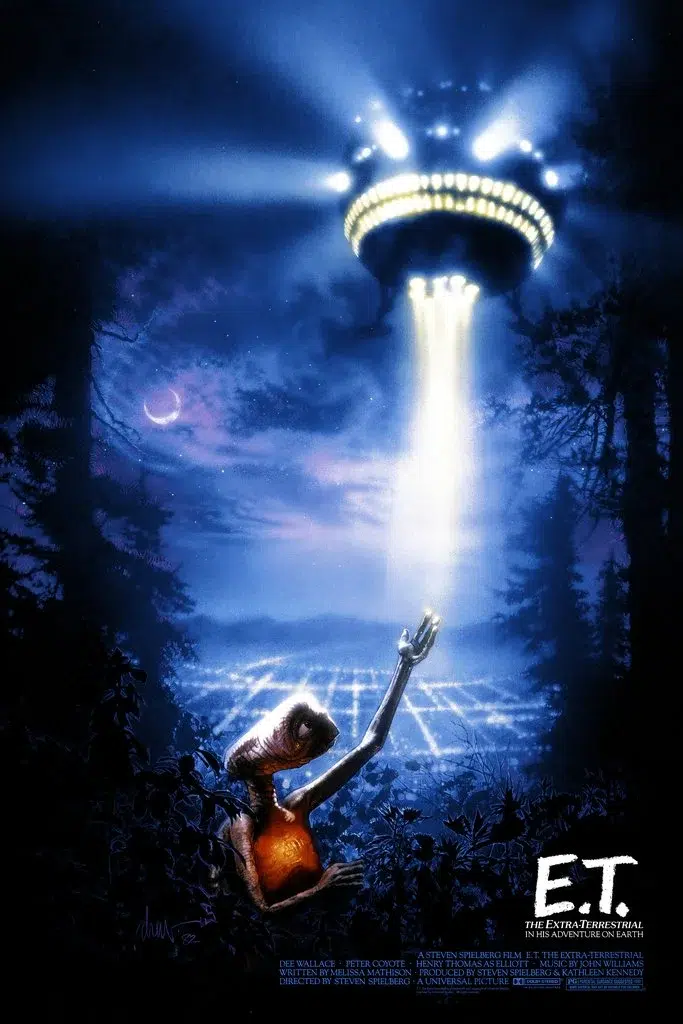
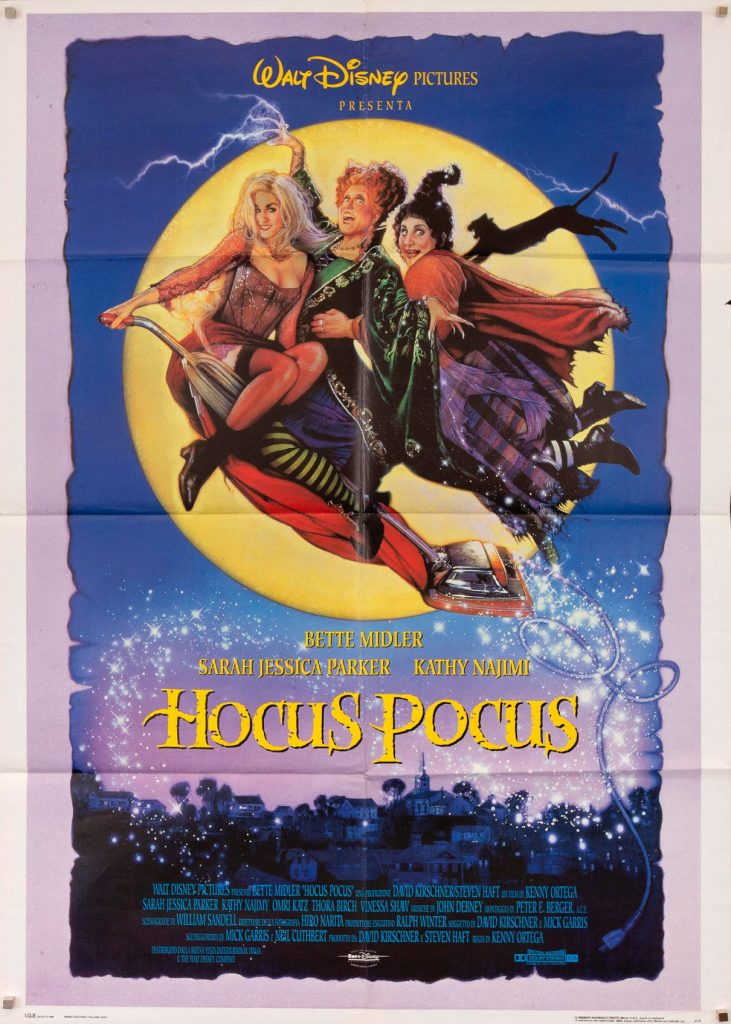
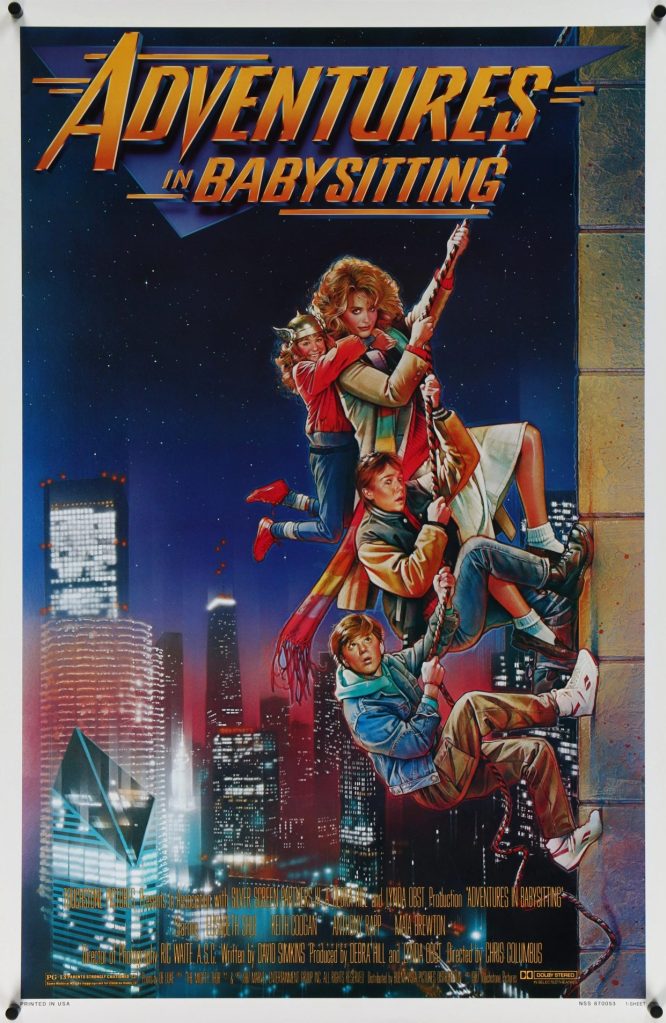
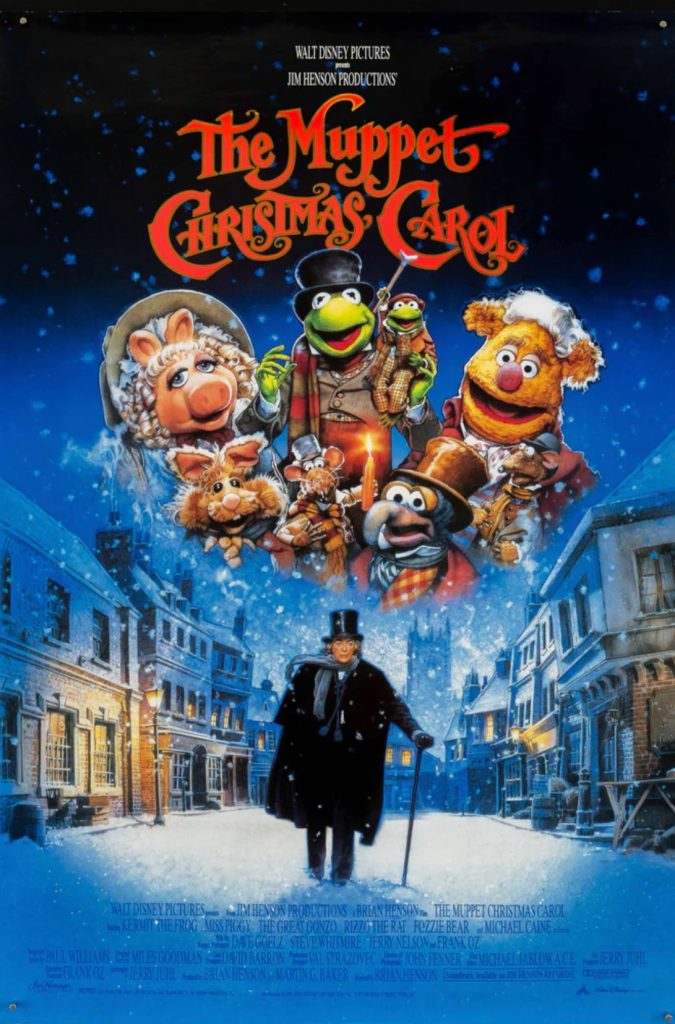
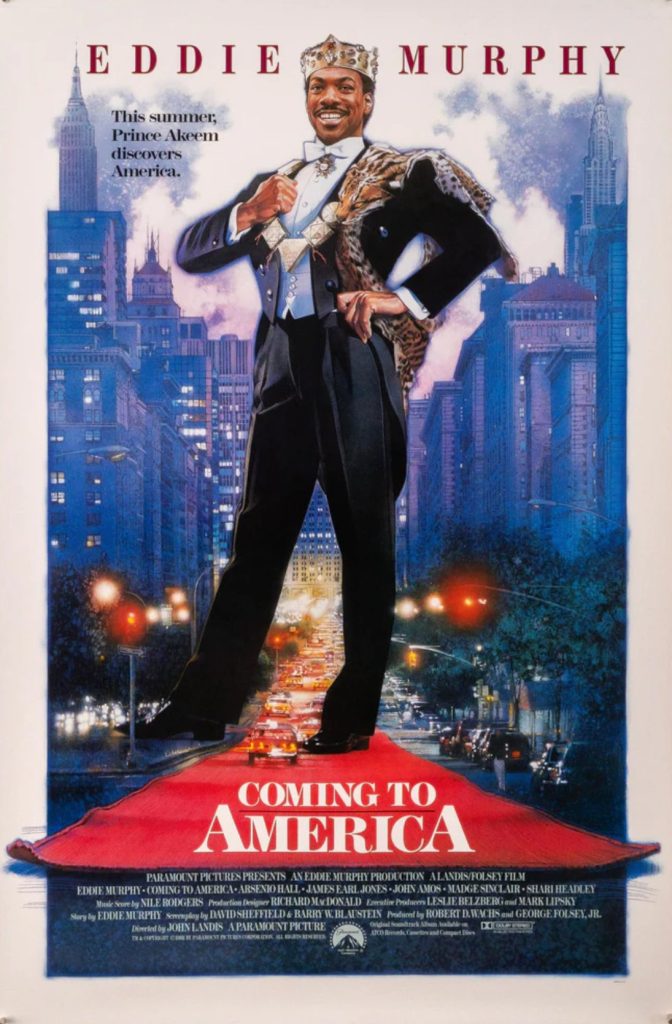
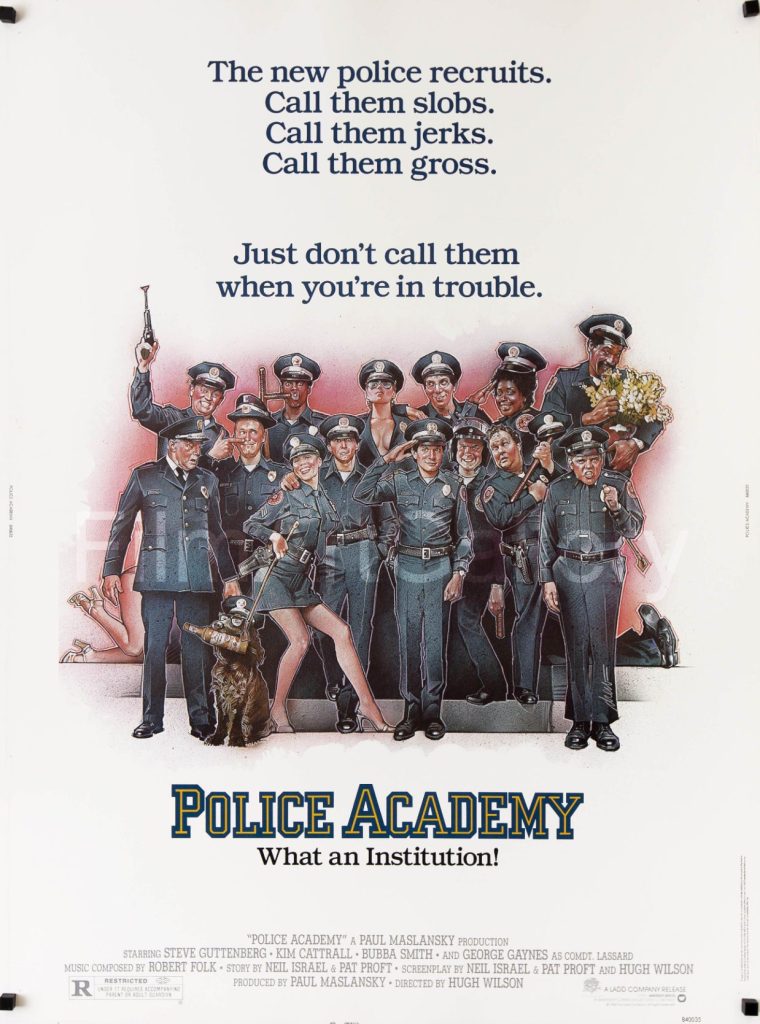
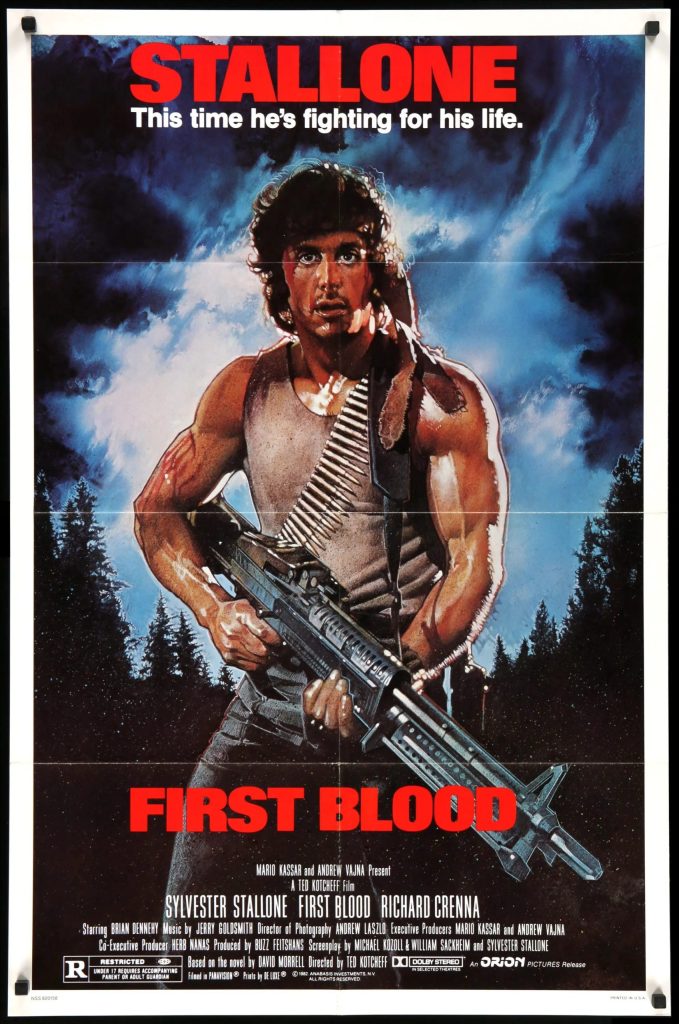
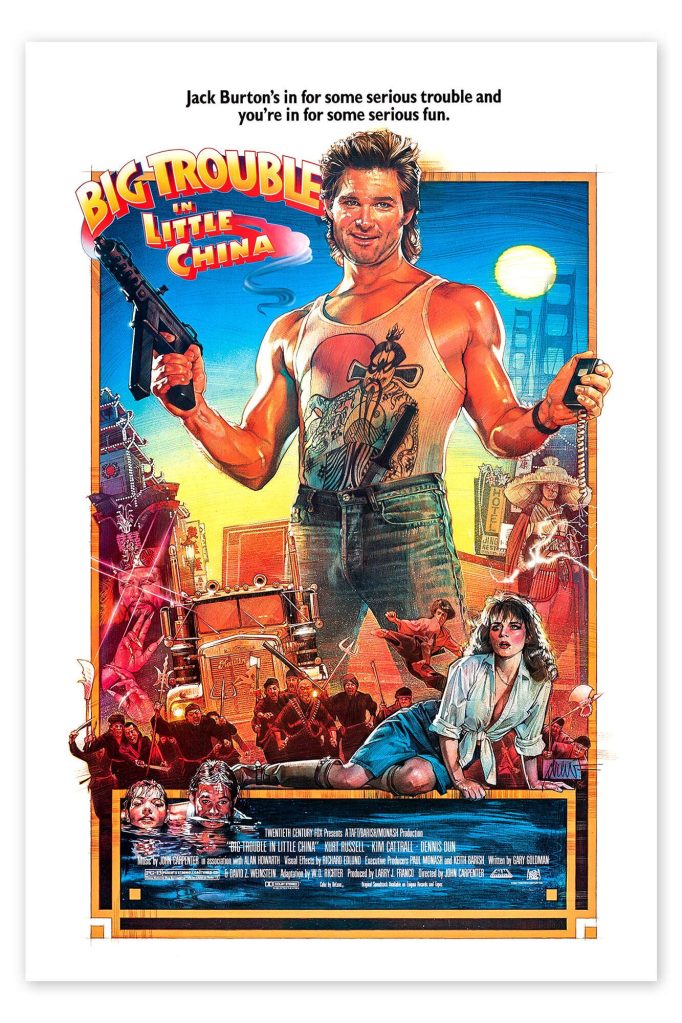
Throughout the 1980s and 1990s, Struzan’s artistry graced theaters worldwide, creating unforgettable imagery for an impressive array of films: E.T. the Extraterrestrial, Blade Runner, The Thing, The Shawshank Redemption, Big Trouble in Little China, The Goonies, Adventures in Babysitting, Batteries Not Included, An American Tail, Cannonball Run, Coming to America, Dreamscape, First Blood, The Muppet Movie, Muppet Treasure Island, The Great Muppet Caper, Harry and the Hendersons, Hook, Hocus Pocus, Johnny Dangerously, Masters of the Universe, The Name of the Rose, Return to Oz, Rocky IV, Angels in the Outfield, and even the Police Academy series.
“If you want a story, go see the movie,” Struzan explained to Los Angeles Magazine in 2014 when discussing his creative philosophy. “It’s pure feeling instead of all the other stuff behind it.”
This approach—capturing the emotional essence rather than merely depicting plot points—distinguished Struzan’s work from conventional commercial art. His posters didn’t just advertise films; they distilled their spirit into a single, captivating image.
The Master’s Method
Struzan’s technical process was as meticulous as his artistic vision was expansive. He began by sketching compositions on gessoed illustration board, then layering airbrushed acrylic paint to build tone and atmosphere. Final highlights and intricate details emerged through colored pencils and additional airbrush work as needed. The gessoed foundation provided flexibility for client-requested revisions—a practical necessity in commercial art.
Preferring to work at actual size, Struzan created his one-sheet posters at approximately 27 by 40 inches, matching standard theatrical poster dimensions. Working from reference photographs and live models, he occasionally included depictions of himself, family members, and friends within his compositions—hidden Easter eggs for those who looked closely.
Remarkably, Struzan worked with extraordinary speed. Most paintings required one to two weeks to complete. When theatrical re-releases of the Star Wars special editions demanded promotional materials, he created the iconic three-panel triptych within a compressed four-week timeline. Most astonishingly, his poster artwork for John Carpenter’s 1982 remake of The Thing was completed overnight, having received the assignment less than 24 hours before delivery.
A Life Beyond the Canvas
Following his retirement from full-time commercial work in 2008, Struzan devoted himself to family, spending considerable time caring for his grandchildren. He worked from a backyard studio at his California home, where he lived with his wife, Dylan. He is survived by Dylan, his son Christian, and his grandchildren.
An Artist Who Made Dreams Visible
In an era increasingly dominated by digital design and photographic montage, Drew Struzan represented a tradition of hand-crafted artistry that elevated movie marketing into fine art. His posters didn’t just sell tickets—they became cultural touchstones, adorning bedroom walls and inspiring future artists. For many, Struzan’s interpretations became inseparable from their memories of these beloved films.
His ability to capture adventure, wonder, danger, and hope in a single image made him indispensable to filmmakers who understood that audiences form their first impressions through promotional art. Struzan didn’t just illustrate movies; he created portals into imagined worlds, inviting viewers to step through and experience magic.
The cinema community has lost one of its most distinctive artistic voices. Yet Drew Struzan’s legacy endures in every child who gazed up at a movie poster and felt transported, in every artist inspired by his technique and vision, and in the timeless images that continue to define how we remember Hollywood’s greatest adventures.
Our thoughts are with his wife, son, grandchildren, and all who knew and loved him. His art will continue to inspire wonder for generations to come.