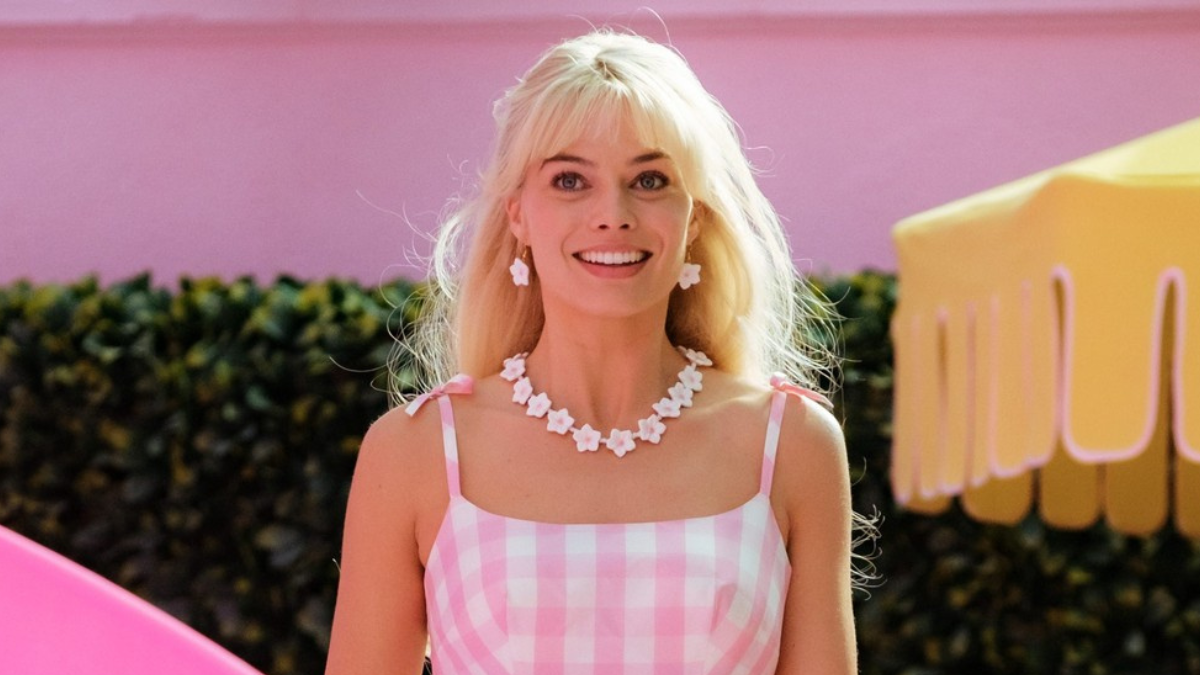
Before we dive into the executive boardroom drama threatening to destroy the most iconic pop-culture moment of the decade, let’s get one thing straight: Greta Gerwig, Margot Robbie, and Ryan Gosling made history, and they deserve every single penny they’re asking for.
In 2023, Barbie didn’t just cross $1.4 billion at the global box office, it reshaped cinema, revitalized theatrical viewing, and turned movie theaters into an ocean of pink. Yet three years later, instead of celebrating a greenlit sequel, fans are left asking a terrifying question: Is Barbie 2 actually dead?
Warner Bros. Discovery CEO David Zaslav is reportedly digging in his heels over contract negotiations. With the clock ticking toward a strict deadline where movie rights revert back to Mattel, the studio is risking the biggest franchise in its modern lineup rather than properly compensating the creative team that built it.
Here is an overview of the ongoing salary standoff, why Greta and Margot hold all the leverage, and why fans should be standing squarely on team Barbieland.
What Is Happening with the Barbie Sequel Negotiations?
A high-stakes standoff is currently underway between Creative Artists Agency (CAA)—representing director Greta Gerwig, writer Noah Baumbach, star/producer Margot Robbie, and co-star Ryan Gosling—and Warner Bros. Discovery leadership.
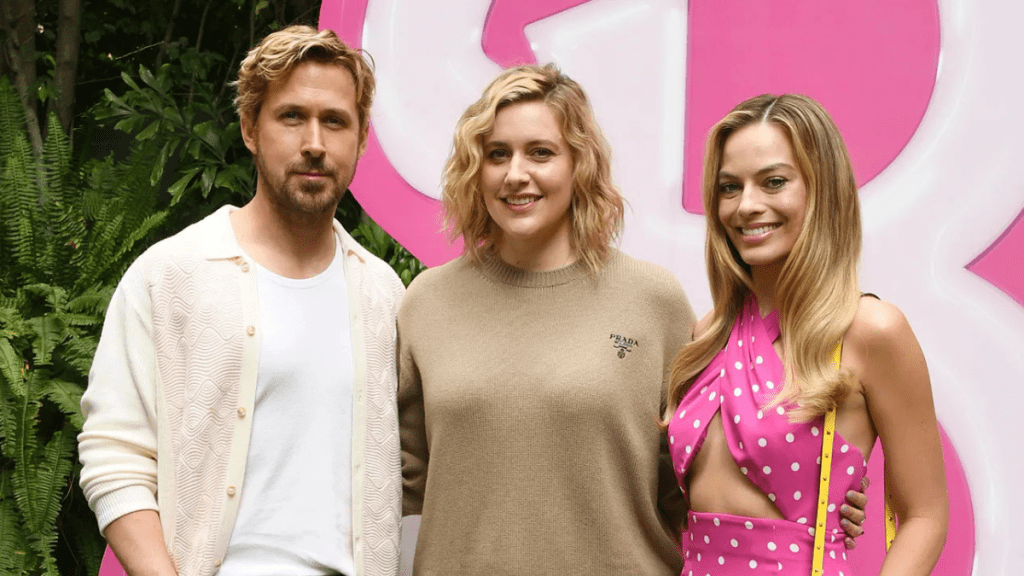
Despite Warner Bros. making over six package offers over the past three years, the talent team has rejected every proposal. The current dispute centers on fair compensation and backend profit participation:
Ryan Gosling’s Ask: Gosling is seeking a reported $20 million upfront to put on the rollerblades once more as Ken—a completely standard fee for an Oscar-nominated performance that birthed a global cultural phenomenon.
Margot Robbie’s Pay: After earning ~$50 million on the first film through salary and backend, Robbie’s dual role as leading lady and primary producer makes her next payday a massive (and totally earned) requirement.
Greta Gerwig & Noah Baumbach’s Terms: Gerwig and Baumbach have already cooked up a concept for Barbie 2, but they refuse to write a single line of script until signed contracts are on the table.
The Big Takeaway: The creative team is not asking for “first-dollar gross” (where they take money before the studio breaks even). They simply want backend structures that reflect their value to a studio that made over a billion dollars off their brilliant vision.
Why Greta, Margot, and Ryan Hold All the Leverage
When Greta Gerwig signed her original deal to direct Barbie, she made a masterclass power move: she refused to include mandatory sequel options in her contract. At the time, Warner Bros. viewed a live-action doll movie as a calculated gamble.

Now, that choice has given the creators total control. Warner Bros. does not own Gerwig’s vision in perpetuity; they were granted a temporary license by Mattel.
| Key Factor | What It Means for Barbie 2 |
| The December Rights Deadline | If Warner Bros. doesn’t put a Barbie sequel into active development shortly, the film rights revert directly to Mattel. |
| No Backdoor Sequels | Without Gerwig’s team on board, Mattel cannot use a single narrative element or character arc from the 2023 film. A non-Greta version would require a total reboot from scratch. |
| Mattel’s Brand Rebrand | Mattel is heavily pushing Barbie as a high-fashion icon on toy shelves. Nobody drives world-renowned fashion buzz better than producer and red-carpet queen Margot Robbie. |
Classic Corporate Missteps: Why Fans Are Siding With Talent
For movie lovers who have watched Warner Bros. Discovery shelve completed films like Batgirl and Coyote vs. Acme for tax write-offs, David Zaslav’s reluctance to pay A-list talent feels like history repeating itself.
Zaslav stands to pocket hundreds of millions of dollars if Paramount’s acquisition of Warner Bros. goes through, making his refusal to pay the architects of WB’s highest-grossing film in history an incredible optics failure.
Greta, Margot, Ryan, and Noah gave audiences a joyous, deeply emotional, original cinematic masterpiece. Expecting them to return for anything less than historic compensation after delivering a $1.4B hit isn’t just corporate stinginess—it’s bad business.
If David Ellison or another buyer steps in to finalize the Paramount deal, securing Greta and Margot’s signatures for Barbie 2 should be the absolute first order of business.
What Does This Mean for the Future of Barbieland?
Without signed deals, Barbie 2 remains in creative limbo. But if Warner Bros. wants to keep its hands on the most lucrative property in town, they need to hand over the keys—and the budget—to the women and visionaries who built it.
Are you standing with Greta, Margot, and Ryan in their fight for fair pay, or do you think Warner Bros. will end up rebooting the doll entirely with Mattel? Where would you want to see Ken and Barbie go in a potential sequel? Drop your thoughts in the comments below and let’s talk about it!