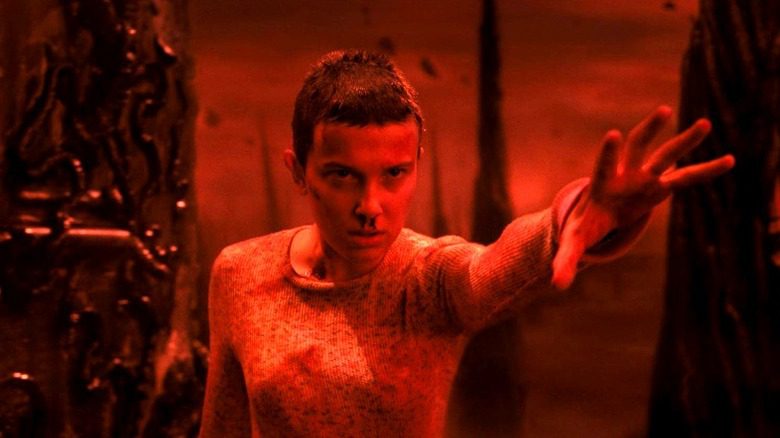
The decision to bring Eleven back in an animated prequel just months after her heartbreaking, open-ended farewell threatens to cheapen one of television’s most poignant sendoffs.
In the final moments of Stranger Things, audiences were handed a beautiful, painful choice: believe in Mike Wheeler’s hopeful fantasy of a living Eleven in a land of three waterfalls, or accept the tragic, heroic reality of her sacrifice. This deliberate ambiguity was the series’ masterstroke—a testament to the power of faith and storytelling that honored both the character’s journey and the viewers’ emotional investment. Yet, the imminent arrival of Stranger Things: Tales From ’85, an animated canonical series set between Seasons 2 and 3, threatens to shatter that delicate, powerful ambiguity by bringing Eleven back to our screens far too soon.
The Thematic Toll of a Premature Return
Eleven’s potential death wasn’t just a plot point; it was the culmination of the show’s central theme about the loss of childhood magic. As the Duffer Brothers stated, for the Party to truly grow up, the supernatural—embodied by Eleven—had to leave Hawkins. Her departure, whether through death or permanent exile, was the cost of a normal future.
By revisiting a younger, pre-powered-lost Eleven in a new series just six months after the finale, the franchise undercuts this profound thematic weight. It doesn’t allow the grief, the mystery, or Mike’s “choice to believe” to breathe in the cultural consciousness. Instead, it feels like a network-mandated course correction, reassuring viewers, “Don’t worry, she’s fine—here she is again!” This commercial instinct risks reducing one of the decade’s most impactful character conclusions to a temporary narrative inconvenience.
The Uncanny Valley of Recasting
Beyond narrative timing, there’s a visceral dissonance in the recasting itself. Millie Bobby Brown is Eleven. Her nuanced performance—the hesitant speech, the expressive silence, the ferocious glare—defined the character for nine years. Hearing another voice, that of Brooklyn Davy Norstedt, emanate from Eleven’s animated likeness creates an uncanny valley for the soul of the character.
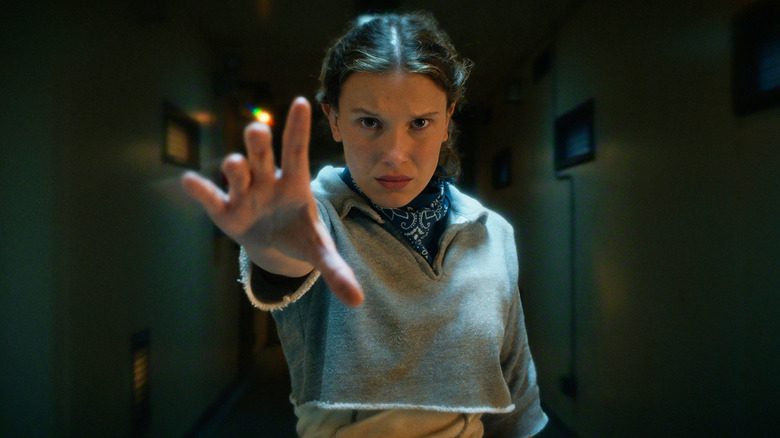
Will it be a faithful impression, reminding us it’s not really her? Or a new interpretation, making it feel like a different person entirely? Either choice creates a barrier between the audience and the character they mourned or released just months prior. It inadvertently highlights Eleven as a fictional commodity to be replicated, rather than a singular creation whose journey we shared.
The Risk of Retroactive Plot Contamination
Tales From ’85 also walks a dangerous tightrope with canon. As a “canonical” story set in a previously unexplored timeframe, it must add new adventures without contradicting established character knowledge or emotional states. If Eleven faces a major, previously unmentioned threat or emotional hurdle in 1985, why would it never be referenced during the life-or-death crises of Seasons 3, 4, or 5?
The danger is that the prequel could feel like inconsequential filler, or worse, create frustrating plot holes by introducing significant events that the original series’ writing room never had to account for. It risks making the rich tapestry of the main story feel less complete, as if important chapters were hidden only to be sold later.
The Lost Art of the Finale
Great finales resonate because they are an endpoint. They demand reflection and acceptance. The rushed return to the Stranger Things well, particularly with its central icon, suggests a fear of letting that ending stand on its own. It signals that in the era of the infinite franchise, no goodbye is truly final if a character is profitable enough—a cynicism that stains the hopeful, bittersweet spirit of the original conclusion.
Perhaps the greatest tribute to Eleven would have been to let her rest, or to let our belief in her freedom be the final word. Her 2026 comeback, while a treat for fans craving more, risks being the narrative equivalent of explaining a magic trick: it satisfies a surface-level curiosity while permanently dissolving the wonder.