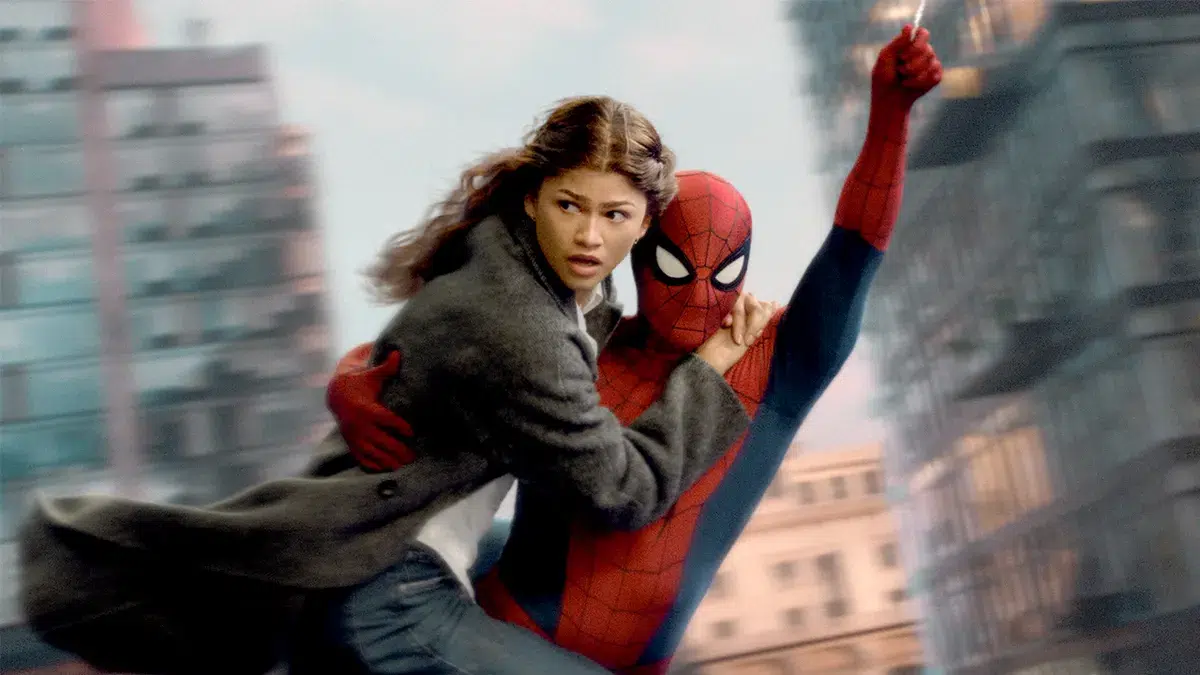
If you have just crawled out of a packed theater screening and are frantically searching the web to decode every Easter egg, narrative thread, and post-credits tease, you are in the right place. This comprehensive article delivers an in-depth review, character deep-dive, and the definitive Spider-Man Brand New Day ending explained. Whether you are wondering how Doctor Strange’s spell continues to haunt Peter Parker, what those bizarre physiological upgrades mean for his future, or how Marvel is paving the road to Avengers: Doomsday, we have got your friendly neighborhood fix right here.
Back to the Concrete: Why a Street-Level Reset Works
Tom Holland’s run as Spider-Man has been nothing if not consistent. Across three solo MCU outings and three monumental supporting appearances leading up to and including Avengers: Endgame, Marvel Studios and the Russo Brothers struck absolute gold when they cast Holland back in Captain America: Civil War. He effortlessly embodies both the anxious, awkward charm of Peter Parker and the relentless acrobatics of Spider-Man, leaving virtually no detractors in his wake.
Peter’s perpetual struggle to find balance between those two poles proves to be the main emotional thrust of Spider-Man: Brand New Day. Following his work on Shang-Chi and Wonder Man, director Destin Daniel Cretton scores an absolute hat trick here by keeping the next chapter of Peter’s journey far more restrained than his latter, cosmically-charged adventures. Even with telepathic threats looming and organic web fluid oozing from his wrists, this movie breathes.
Right out of the gate, it must be said that as Spidey’s first MCU movie set almost entirely within Manhattan, it feels phenomenal to have New York City front and center in the action. Cretton establishes this immediately in a kinetic opening montage, a swing-and-punch medley covering the last few years of Peter’s lonely life in a world that has completely forgotten who he is. With no personal life to cultivate, Peter has been laser-focused on cleaning up the city. His success has earned him the hard-won trust of Detective DeWolff (Liza Colón-Zayas) and the rest of the NYPD, driving crime in New York to an all-time low.
Progress, however, comes at a devastating cost: total isolation. But a chance spotting of Ned (Jacob Batalon) prompts Peter to crash a party, desperate to see if that old spark with Ned and MJ (Zendaya) lingers anywhere in their subconscious minds. The unexpected emotional turbulence triggered by that encounter unleashes terrifying physiological changes—supercharged versions of his existing powers and brand-new anomalies like organic web-shooters that threaten to subsume the Peter we know and love.
Under the Mask: Peak Tom Holland and Insomniac-Coded Combat
Brand New Day sees Holland operating at the absolute peak of his dramatic powers, particularly in moments where micro-expressions of lingering recognition cross the faces of his former friends. His yearning for familiarity cuts deep, leading to genuinely heartbreaking gut-punches when things spiral out of control.
Under the mask, Peter’s life may be a lonely disaster, but Spider-Man carries a wicked swagger fueled by his winning streak as a solo crimefighter. As his abilities haywire, that greater power effectively amplifies Spidey’s sense of responsibility for the collateral fallout of his actions. The stakes of heroism hit completely differently when Iron Man and Doctor Strange aren’t hovering above to clean up his messes.
And yes—hardcore gamers will rejoice to see Spidey pulling off some unapologetically Insomniac-coded moves during the fight sequences. Seeing a beloved adaptation from the gaming medium get an enthusiastic knuckle-bump from the big dogs at Marvel Studios is a massive treat for modern pop culture fans.
The MCU Toy Chest: From Bruce Banner to The Punisher
Bringing Spider-Man back down to earth and recontextualizing him within the interwoven MCU tapestry is largely a triumph. While fans hoping to see classic street-level heavies like Scorpion (Michael Mando), Tombstone (Marvin Jones III), or Boomerang get fleshed-out character arcs will be mildly disappointed by their relegation to mere set dressing, the movie makes up for it with phenomenal supporting players.
Mark Ruffalo’s Bruce Banner / Hulk is a sensible sounding board for Peter to bounce science jargon off of, serving as a vital authority figure on the ethical dilemmas of interfering with nature. Even better is Jon Bernthal’s explosive return as Frank Castle / Frank Castle / The Punisher. Sharing a rich history of isolating through tragedy, Frank acts less like a traditional mentor and more like a hot-blooded uncle to Peter. The volatile chemistry between Holland and Bernthal is a brilliant source of chaotic, argumentative energy. Naturally, inviting The Punisher into the mix requires accepting a bit of gritty comic-book reality—the metaphorical Sacha Baron Cohen-faced Mephisto you bargain with every time you buy a ticket to a modern Marvel film.
On the flip side, the Department of Damage Control feels a bit less successfully integrated. Director Bill Metzger (Tramell Tillman) recruits Spider-Man to stop a mystery antagonist testing their facility boundaries. While Damage Control’s quiet accumulation of institutional power is a classic comic trope, their stated goal of weaponizing dangers as buffers never quite clicks. Tillman is deeply charismatic, but his material lacks teeth. Furthermore, the film’s attempt to “reform” the Hand—positioning the once-terrifying ninja syndicate from The Defenders as wayward kids needing after-school structure—feels a bit like disposable video-game fodder rather than organic world-building.
Spider-Man Brand New Day Ending Explained: What it Means for the MCU
So, how does it all wrap up, and what does the final sequence set up for the future?
Throughout the film’s runtime, Cretton successfully keeps the MCU “homework” to an absolute minimum. In an era where every Marvel project feels like a mandatory prerequisite for an upcoming crossover, Brand New Day keeps its thunderclouds neatly confined. The new elements introduced on the horizon remain relevant yet sufficiently removed from Peter’s immediate emotional focus, ensuring they never hijack the narrative.
Whether this restraint stems from a pure character-first philosophy or the looming shadow of Avengers: Doomsday—where Peter currently has zero bandwidth to deal with cosmic multiversal threats—the smaller scope is a miraculous breath of fresh air. It is, quite literally, a Spider-Man homecoming in spirit.
In the climax, Peter manages to stabilize his volatile new abilities, accepting that while he cannot undo the magical amnesia of the world, he doesn’t need external validation or multi-billion-dollar tech to be a hero. He learns to live in the gray space: a solitary street-level protector who has made peace with his anonymity. The final shots of New York City bathed in golden hour light, with Peter swinging freely through the concrete canyons without an Avengers communicator in his pocket, cement this as a vital psychological reset. It clears the slate entirely for Doomsday, ensuring that when Peter inevitably collides with Earth’s mightiest heroes again, his stakes will feel deeply personal once more.
The Final Verdict
Spider-Man: Brand New Day sees Destin Daniel Cretton brilliantly refocus on the sturdiest pillars of the web-slinger’s iconography: struggling to maintain balance while swinging through New York City, saving everyday people, and looking effortlessly cool doing it. While Peter’s cyclic inner turmoil occasionally flirts with Groundhog Day territory, the film delivers a refreshingly intimate ride. It gives Tom Holland, Zendaya, Sadie Sink, and the rest of the ensemble cast plenty of room to shine, proving that smaller can indeed be vastly superior in the superhero genre.
Rating: 8.5/10 — Arguably the best Spider-Man film of all time.
What did you think of Peter’s street-level return, and how do you feel about those new organic web-shooters setting the stage for Avengers: Doomsday? Sound off in the comments below!