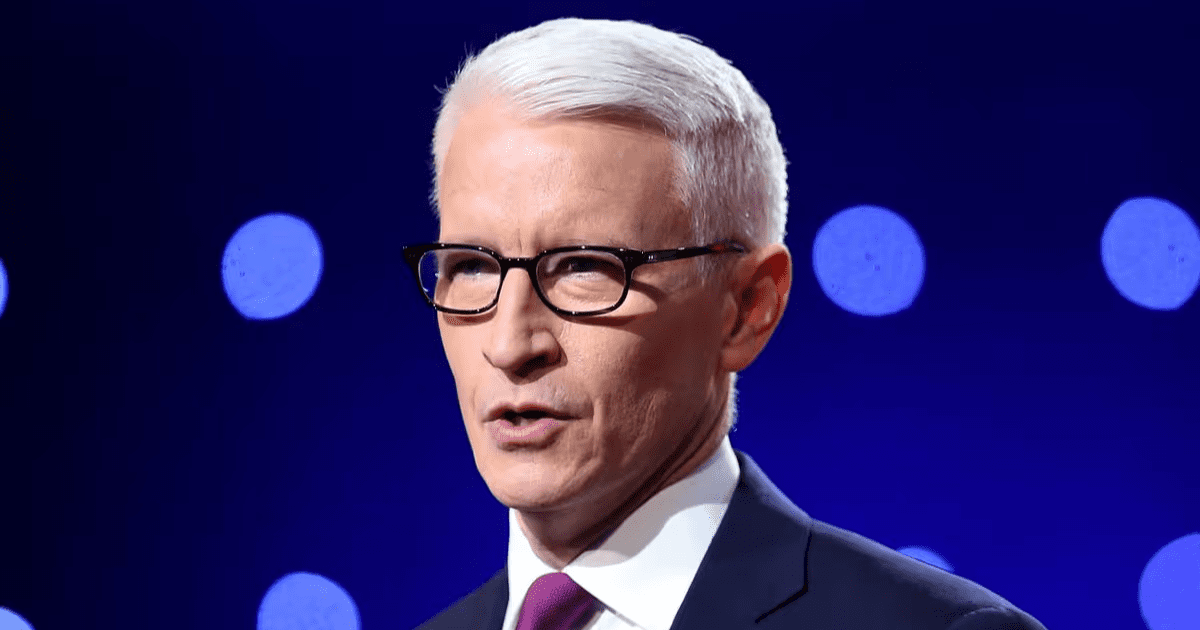
For twenty years, Anderson Cooper managed a rare feat: he was the cool-headed anchor of AC360 by night and the gritty, boots-on-the-ground correspondent for 60 Minutes on Sundays. Whether he was wading through the floodwaters of Katrina or interviewing survivors of school shootings, Cooper brought a sense of empathy that felt authentic. He didn’t just report the news; he bore witness.
In his exit statement, Cooper cited his “little kids” and a desire to balance his life—a sentiment every working parent can applaud. But the timing is impossible to ignore. Cooper is currently at the height of his influence at CNN, where his podcast All There Is, a deeply personal exploration of grief, has become a cultural touchstone. He has proven that audiences crave depth, vulnerability, and a connection to the human condition.
Unfortunately, that same craving for depth seems to be at odds with the current direction of CBS News. When a journalist of Cooper’s stature decides that his future is brighter at a competing network, it’s time to ask what is happening in the halls of the CBS Broadcast Center.
The Bari Weiss “Heterodox” Overhaul: A Culture of Mistrust
The 2025 acquisition of Bari Weiss’s The Free Press by Paramount-Skydance for $150 million didn’t just bring in a new digital brand; it installed Weiss as the Editor-in-Chief of CBS News. The promise was to “modernize” the content and create a “heterodox” newsroom that appeals to a broader, more skeptical audience.
However, in practice, this “revitalization” has looked a lot like a dismantling of traditional standards. Since taking the helm, Weiss has faced intense scrutiny from the rank-and-file staff. Reports have surfaced of a growing “mistrust” between management and veteran journalists who feel the newsroom is being steered toward a specific ideological bent.
The most alarming evidence of this shift came with the treatment of Sharyn Alfonsi’s “Inside CECOT” report. The segment, which detailed the harrowing conditions of migrants deported to El Salvador, was pulled just hours before it was set to air in late 2025. Weiss reportedly insisted on delaying the piece to secure comments from the Trump administration—comments that Alfonsi’s team had already spent weeks trying to obtain. When the report finally aired a month later, it was essentially unchanged, leading many inside the building to label the delay “political censorship” disguised as editorial rigor.
Diversity, Inclusion, and the Duty to the Displaced
This brings us to a vital point: the purpose of a free press is to ensure the world sees itself in the stories we tell. Ultimately, the world should see themselves in the news, yet current management trends suggest a move toward silencing the very stories that provide that visibility.
When investigative pieces on the plight of migrants are shelved or “balanced” to the point of dilution, we lose the “incision” that great journalism requires. A newsroom that prioritizes “celebrity profiles” and “online attention” over the suffering of the displaced is a newsroom that has lost its soul. Anderson Cooper’s exit removes one of the most powerful voices for those marginalized communities. Cooper’s ability to use his CNN platform to amplify his 60 Minutes reports was a rare bridge between cable and broadcast that ensured diverse stories reached a massive audience. With his departure, that bridge is burned.
Financial Settling and the Price of Silence
The pressure on 60 Minutes isn’t just coming from the masthead; it’s coming from the ledger. To clear the way for the Paramount-Skydance merger, the company reportedly agreed to a $16 million settlement with Donald Trump over a nuisance suit regarding his 2024 interview with Kamala Harris.
For a news organization to settle a lawsuit of that nature—rather than defending its editorial independence in court—is a staggering blow to morale. Senior executives Bill Owens and Wendy McMahon have reportedly signaled they can no longer push back against corporate mandates. When a news organization starts viewing its reporting through the lens of a merger’s “path to sale,” the truth becomes a secondary priority.
Add to this the looming threat of 15% staff layoffs across CBS News, and you have the recipe for a hollowed-out institution. Experienced producers and editors—the people who actually do the work of making the “world see itself”—are being offered buyouts or facing the axe, all while management pivots to “meme-able clips” for social media.
The Future of the Free Press
As Anderson Cooper moves to consolidate his work at CNN, hosting The Whole Story and continuing his vital work on grief, he leaves behind a 60 Minutes that feels increasingly isolated. The program has survived scandals before, but it has never had to survive a management team that seems fundamentally skeptical of its core mission.
The free press is not a product to be optimized for a digital acquisition; it is a public trust. We need more “incision” in our reporting, not less. We need journalists who aren’t afraid to challenge conventional wisdom, even when that wisdom comes from their own C-suite.
Will the Clock Keep Ticking?
Anderson Cooper’s 60 Minutes exit is more than just a headline; it’s the end of a specific type of journalistic integrity at CBS. As the network shifts toward a “heterodox” vision that feels increasingly like a surrender to political pressure and corporate interests, we have to wonder who will be left to tell the stories that matter.
The world deserves to see its true face in the media—not a filtered, “comprehensive” version approved by management. If the silver stopwatch is going to keep ticking, it needs to be powered by the truth, not by the gears of a merger.
What do you think of Anderson Cooper leaving 60 Minutes? Is this a simple career move, or are you worried about the direction of CBS News under its new leadership? Let us know your thoughts in the comments!