The hunt for the next great fantasy franchise may finally be over. Sony Pictures has acquired the film rights to James Islington’s critically acclaimed Hierarchy series, and if early buzz is any indication, we might be witnessing the birth of the post-Game of Thrones phenomenon the entertainment world has been desperately seeking.
A Series That’s Already Winning Over Readers
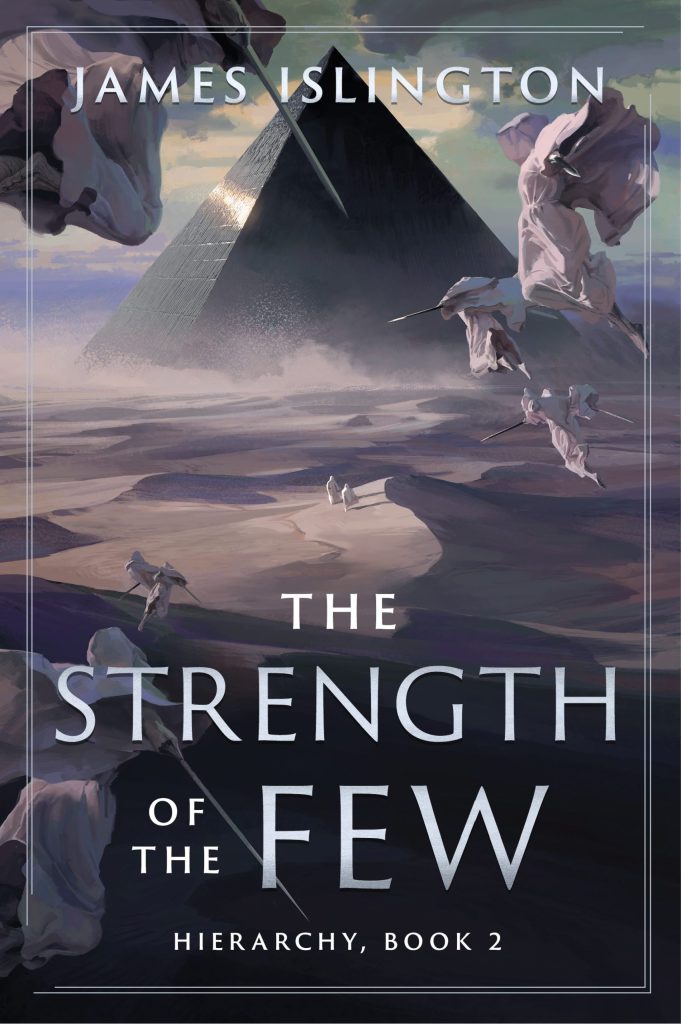
The Hierarchy series launched in 2023 with The Will of the Many, quickly establishing itself as one of the most talked-about high fantasy releases in recent years. Its much-anticipated sequel, The Strength of the Few, dropped on November 11, 2024, and immediately validated the hype surrounding Islington’s work. The book debuted at the top of the New York Times bestseller list and currently boasts an impressive 4.48 rating on Goodreads—a remarkable achievement in a genre where even beloved series often struggle to maintain such consistent praise.
According to The Hollywood Reporter, Sony Pictures recognized the franchise’s potential and moved quickly to secure the rights. While no talent has been announced for the adaptation yet, the project’s pedigree suggests it will attract significant star power and top-tier creative talent. In an industry increasingly dominated by pre-established intellectual property, the Hierarchy series represents something increasingly rare: a fresh fantasy world with a built-in, passionate fanbase ready to champion it.

Why Hierarchy Is Perfect for the Big Screen
The Hierarchy series isn’t just popular—it’s practically designed for cinematic adaptation. Several elements make Islington’s work an ideal candidate for theatrical treatment:
A Roman-Inspired Backdrop with Visual Grandeur
The series draws heavily from Roman history and aesthetics, providing a rich visual palette that differs from the medieval European settings that dominate fantasy cinema. This Roman influence offers production designers, costume designers, and cinematographers opportunities to create something that feels both familiar and distinctly fresh. Think Game of Thrones meets Gladiator, with the philosophical depth of Dune.
A Unique Energy-Based Magic System
One of the most innovative aspects of the Hierarchy series is its magic system, which revolves around the transfer and manipulation of energy through a hierarchical structure. This isn’t your typical wand-waving or spell-casting magic. Instead, it’s a carefully constructed system with clear rules, limitations, and societal implications that create natural dramatic tension. Visually, this energy-based magic offers filmmakers the chance to create stunning special effects that feel grounded in the world’s internal logic rather than arbitrary.
Political Intrigue That Rivals the Best
What made Game of Thrones so compelling wasn’t just the dragons and battles—it was the political maneuvering, the betrayals, the shifting alliances. The Hierarchy series delivers that same level of sophisticated political storytelling. The oppressive empire at the story’s center operates through a complex hierarchy (hence the series name) that creates natural conflict, moral ambiguity, and opportunities for characters to scheme, manipulate, and betray in deliciously dramatic fashion.
Explosive Twists That Will Translate to Screen
Islington has earned praise for his ability to craft shocking plot twists that feel earned rather than cheap. These moments—which readers have been careful not to spoil for newcomers—will provide the kind of watercooler moments that turn successful shows and films into cultural phenomena. Viewers who haven’t read the books will be blindsided; those who have will eagerly anticipate seeing how the adaptations bring these moments to life.
Meet Vis Telimus: A Protagonist Worth Following
The Will of the Many centers on Vis Telimus, an 18-year-old orphan harboring dangerous secrets about his past. After the empire destroyed his family, Vis is forced into an impossible situation: to solve a murder and survive, he must infiltrate the prestigious Academy—an elite institution that trains the empire’s future leaders—and climb the very hierarchical system that oppressed him.
This setup immediately establishes Vis as a complex protagonist. He’s not a chosen one with magical destiny handed to him, nor is he a purely heroic figure fighting against obvious evil. Instead, he’s a young man forced to compromise his principles, blend in with his enemies, and navigate a morally gray world where survival often requires difficult choices.
The Academy setting provides a compelling backdrop that blends elements of dark academia with fantasy world-building. It’s not Hogwarts—this is a place where students compete ruthlessly, where the hierarchy is literally enforced through the magic system, and where Vis must maintain his cover while pursuing answers about the murder he’s been tasked with solving.
A Fresh Blend of Genre Elements
One of the Hierarchy series’ greatest strengths is how it combines multiple genre elements into something that feels cohesive rather than cluttered:
Fantasy: The unique magic system, the Roman-inspired empire, and the world-building establish this firmly in the fantasy genre.
Mystery: The murder investigation at the heart of The Will of the Many provides a propulsive narrative engine that keeps readers engaged beyond just the world-building.
Dystopian: The oppressive hierarchy, the way people are literally used as batteries to power the empire’s magic, and the systematic oppression create dystopian undertones that resonate with contemporary concerns about power structures and exploitation.
Coming-of-Age: Vis’s journey through the Academy, his relationships with fellow students, and his navigation of who he is versus who he must pretend to be provide relatable character development that grounds the fantastical elements.
This genre-blending approach gives the Hierarchy series a broad appeal that could attract audiences beyond typical fantasy fans—crucial for a franchise hoping to achieve Game of Thrones-level cultural penetration.
The Fantasy Genre Needs This
The timing of Sony’s acquisition couldn’t be better, or more necessary. The fantasy genre finds itself at an interesting crossroads in 2024. On one hand, we’re seeing unprecedented investment in fantasy properties, with massive budgets going to House of the Dragon, Amazon’s The Lord of the Rings: The Rings of Power, Netflix’s The Witcher (and various spinoffs), and HBO’s upcoming Harry Potter series.
On the other hand, nearly all of these projects are attached to pre-existing, decades-old intellectual properties. Hollywood seems terrified to invest in original fantasy storytelling, instead mining established franchises with built-in name recognition. While there’s nothing wrong with revisiting beloved properties—many of these projects are excellent—the lack of fresh voices and new worlds is concerning.
The Hierarchy series represents something increasingly rare: a chance to build a major fantasy franchise from the ground up, without decades of baggage, without competing with treasured childhood memories, and without the limitations that come with adapting beloved source material that’s already been adapted multiple times.
What Needs to Happen Next
For Sony’s Hierarchy adaptation to succeed, several elements need to fall into place:
The Right Creative Team: This needs a showrunner or director who understands both the political complexity and the emotional core of Islington’s work. Someone who can balance world-building with character development, spectacle with intimacy.
Appropriate Budget: Half-measures won’t work. The Roman-inspired setting, the magic system, and the scope of the story require significant investment. Sony needs to commit resources comparable to other major fantasy productions.
Smart Casting: Vis Telimus needs an actor who can carry a franchise—someone who can convey the character’s intelligence, his hidden pain, his determination, and his moral flexibility. The supporting cast is equally important; the Academy setting requires a ensemble of compelling young actors.
Respect for the Source Material: While some changes are inevitable in adaptation, the core of what makes the Hierarchy series special—the magic system, the political intrigue, the character dynamics—needs to remain intact.
Marketing That Reaches Beyond Fantasy Fans: To become a true phenomenon, the adaptation needs to attract viewers who don’t typically watch fantasy. The mystery elements, the political thriller aspects, and the coming-of-age story provide angles that can appeal to broader audiences.
Why This Could Actually Work
The entertainment landscape is littered with failed “next Game of Thrones” attempts. So why might Hierarchy succeed where so many others have failed?
First, it has a complete story being told by a single author who’s actively involved in the world. George R.R. Martin famously hasn’t finished A Song of Ice and Fire, forcing Game of Thrones to forge its own (controversial) path. James Islington is delivering books on schedule and has a clear vision for where the story is going.
Second, the source material is popular but not so beloved that any changes will be treated as sacrilege. There’s room for the adaptation to breathe, to make choices that serve the visual medium without betraying the spirit of the books.
Third, the story is genuinely fresh. It’s not “medieval knights and dragons” fantasy number 347. The Roman inspiration, the unique magic system, and the academic setting give it a distinct identity that should help it stand out in a crowded marketplace.
Finally, Sony Pictures has shown it can handle franchises. While the studio has had its share of misfires, it’s also demonstrated the ability to nurture long-running series and give creative teams the resources they need to succeed.
The Next Game of Thrones?
Will Sony Pictures’ Hierarchy adaptation become the next Game of Thrones? It’s too early to say definitively, but all the ingredients are there. The source material is excellent, the timing is right, and the industry is hungry for a new fantasy franchise to rally behind.

For fantasy fans tired of endless prequels, reboots, and reimaginings, the Hierarchy series offers something we desperately need: a chance to discover a new world, to meet new characters, and to experience the thrill of not knowing what’s coming next. If Sony can execute the adaptation with the care and investment it deserves, we might finally have found the post-Game of Thrones fantasy epic we’ve been waiting for.
The empire is rising. Will you be there to witness it?