
Spoiler warning: This article contains major spoilers for Supergirl, now playing in theaters.
If you’ve seen Supergirl, you know the ending is… a lot.
Milly Alcock’s first solo outing as the Girl of Steel is a wild, planet-hopping ride that takes some dark turns—but nothing prepares you for the film’s final moments. Inspired by Tom King’s acclaimed Supergirl: Woman of Tomorrow comic run, the movie follows Kara Zor-El on a revenge-fueled mission across the galaxy.
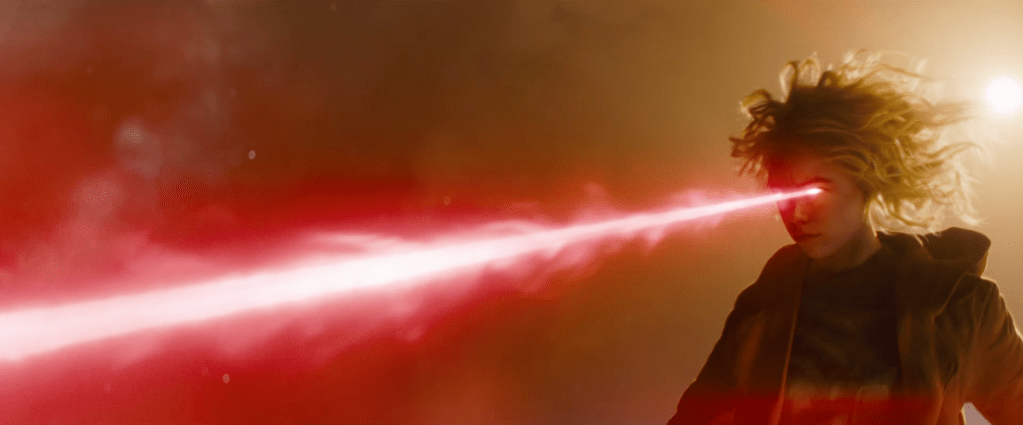
But here’s the thing: while the comic lets the villain live, the movie takes a much darker approach.
So what actually happens? Why does Kara make the choice she does? And what does it all mean for the future of the DC Universe?
Let’s break it all down.
The Setup: Kara’s Mission Across the Galaxy
Before we get to that shocking finale, let’s recap how we got there.
The film opens with Kara Zor-El living a pretty miserable existence. She’s depressed, cynical, and spending most of her time hopping between bars across the galaxy. She’s not interested in being a hero—she’s just trying to survive after losing everything on Krypton.
That all changes when she crosses paths with Ruthye Marye Knoll (Eve Ridley), a young girl seeking revenge against Krem of the Yellow Hills (Matthias Schoenaerts), the mercenary who murdered her family.
Kara has her own reason to track down Krem: he’s poisoned her beloved dog, Krypto, and he’s carrying the only antidote.
What follows is a True Grit-style road trip through space, with Kara reluctantly helping Ruthye while trying to save her best friend. Along the way, they encounter Lobo (Jason Momoa), the cigar-chomping bounty hunter who provides some much-needed comic relief.
The Climax: The Showdown with Krem
The film’s third act sees Kara, Ruthye, and Lobo tracking down Krem aboard his ship. What follows is a chaotic, action-packed showdown that sees Kara briefly weakened by the rays of a green sun (because of course the DCU has to have its Kryptonite equivalent).
Lobo steps in to help (because he’s Lobo, and that’s what he does), and Kara eventually gets the upper hand on Krem. She secures the antidote for Krypto—meaning dog lovers everywhere can breathe a sigh of relief—but that’s not the end of it.
Ruthye wants to kill Krem herself. She’s been building to this moment the entire film, and she’s ready to take her revenge.

This is where things get complicated.
The Controversial Choice: Why Does Kara Kill Krem?
This is the moment that has fans divided.
In the original Supergirl: Woman of Tomorrow comic, Ruthye ultimately spares Krem. The message is clear: revenge isn’t the answer. But in the film, Kara persuades Ruthye to walk away. She warns the young girl that revenge won’t erase her grief, and she wants to spare her from the trauma of taking a life. Then, the moment Ruthye turns her back, Kara kills Krem herself. She stabs him multiple times with a sword, ensuring he can never hurt anyone again. It’s a shocking, brutal moment—and it’s completely intentional.
Milly Alcock on Kara’s Decision
Alcock herself has spoken about the choice, calling it “twisted” but necessary.
“For me, it was kind of the only choice. She’s protecting Ruthye from becoming even further traumatized in having to deal with all of these massive, conflicting emotions. She’s trying to teach her how to not do as she does, basically. Not to run away from all the pain and know that that pain has to be fixed internally, as opposed to externally through drinking or hurting people or hurting yourself.”
The actor also notes that this choice “separates her from Clark.” Superman famously let Lex Luthor live at the end of Superman, choosing to let the authorities handle him. Kara makes a different call.
“It’s the right thing to do in this twisted way. She’s seen so many people suffer.”
Director Craig Gillespie Weighs In
Director Craig Gillespie echoed Alcock’s sentiments, noting that the moment is Kara “owning her version of what a superhero is.”
“You see that conflict between her and Clark and the way they argue about this, and Clark has a very different perspective.”
Why Fans Are Divided: The Burden of Kara’s Choice
Now, here’s where things get messy—and where the discourse around the ending gets really interesting.
Some fans argue that Kara’s choice undermines the film’s entire message. The movie spends its entire runtime hammering home that revenge is not the answer—that it’s a cycle that consumes everyone it touches. Then, in the final act, Kara essentially says, “Revenge is bad, but I’ll do it for you.”
It’s a contradiction that has left many viewers scratching their heads.
The “Burden” Problem
One critic breaks it down this way:
“The main argument seemed to be that Kara thought she was the one who had to handle the burden, and that she was protecting Ruthye’s innocence. But… what burden? Kara is not a broken character when she leaves the cave wearing the suit. The scene of her appearing as Ruthye is about to be killed is her finally becoming the superhero that is ‘Supergirl.'”
The issue is that Kara’s arc seems to be building toward her becoming a better person—accepting the role of hero and stepping up to protect others. She puts on the suit, she saves Ruthye, and she becomes Supergirl.
Then she murders a man.
It’s a jarring tonal shift that doesn’t quite land for everyone.
The Dark Interpretation
Some fans have argued for a darker interpretation: that Kara sees herself as broken and believes she’s the only one willing to do the dirty work. She’s protecting Clark’s “purity” and Ruthye’s innocence by taking on the burden herself.
But even that reading has its problems.
As one critic notes:
“The idea that the movie ends with Kara thinking these two other characters are perfect and she’ll forever be tainted is an extremely dark ending for your movie, and it’s not. Her putting on that suit is her becoming/trying to become a better person.”
Where’s the burden? If anything, she seems more confident and heroic after killing Krem. It doesn’t track as a moment of trauma—it feels like a victory lap.
If the movie is saying revenge is bad, then why does Kara get to have her revenge while Ruthye doesn’t? It’s a fair criticism. The film sets up a clear moral framework, then breaks its own rules in the final act.
Does Supergirl Have a Post-Credits Scene?
No, it doesn’t.
Unlike many superhero movies (and last summer’s Superman), Supergirl doesn’t have anything after the credits roll. So if you’re waiting for a mid-credits tease, you can head to the restroom without worry.
However, director Craig Gillespie has revealed that the final reunion scene between Kara and Clark was originally intended to be a post-credits scene.
“There was a discussion, but ultimately it was really the scene with Superman. Where that landed, it felt better to be part of the film.”
And honestly, it was the right call. The scene provides emotional closure for Kara’s journey and sets up her future in the DCU in a way that feels organic, not tacked on.
What Does the Ending Mean for the DCU?
So where does Kara go from here?
The film’s final scene sees Kara returning to Earth and reuniting with Clark Kent in her apartment. She officially commits to staying on Earth to serve as a hero alongside her cousin, dropping her wild, space-faring ways.
It’s a significant moment for Kara’s character—and a clear setup for her future in the franchise.
Setting Up Man of Tomorrow
Kara’s next appearance is already confirmed: she’ll star alongside David Corenswet in 2027’s Man of Tomorrow, the Superman sequel. Executive producer Lars P. Winther has confirmed that Kara’s story will continue on Earth after the space-faring events of Supergirl:
“She’s done her wild ways, and now she’s going to try to get back in with her cousin and be more on Earth again. That’s where she is in Man of Tomorrow. It’s all more Earth-based.”
Meanwhile, James Gunn has hinted that Alcock will have a “big role” in the sequel:
“She’s very, very different from her cousin, which puts them at odds, which is a big part of this movie, and then an even bigger part of Man of Tomorrow, which we’re filming now.”
The Kara-Clark Dynamic
One of the film’s greatest strengths is the dynamic between Kara and Clark. They’re family, but they have fundamentally different belief systems. Clark is optimistic and hopeful. He believes in justice—in letting the system work and giving people second chances. Kara is harder. She’s seen more of the galaxy’s darkness, and she’s not willing to take chances with people like Krem.
As Alcock herself puts it:
“I am Kara, David is Clark. There’s still a requirement and a capacity to love and to empathize, and to kind of allow the other person to win—not even win an argument, but you know what you do with the people that you love? Sometimes you walk away, even though you know that you’re right or you let them win when you know that you should have.”
It’s a nuanced, messy dynamic that feels real—and one that’s likely to be explored further in Man of Tomorrow.
What About Lobo?
Jason Momoa’s Lobo is one of the film’s standout elements, but his future in the DCU remains under wraps. Momoa has been vocal about wanting to return, but he’s also made it clear that he has conditions:
“If they want me, I’ll be there. But if I make a solo movie, I’m not doing it unless it’s rated R.”

Given Lobo’s comic book roots, an R-rated solo film would make a lot of sense. But nothing has been confirmed yet.
A Controversial Ending That Demands Discussion
Supergirl is a film that isn’t afraid to take risks—and its ending is the biggest risk of all.
On one hand, Kara’s decision to kill Krem is a bold storytelling choice that sets her apart from Superman and establishes her as a more complex, morally gray hero. It’s a twist that rewards close attention and invites debate.
On the other hand, it’s a choice that seems to undermine the film’s own message. The movie spends its entire runtime arguing against revenge, only to have its hero commit an act of vengeance in the final act. It’s a contradiction that has left many fans scratching their heads.
So where do we land?
If the goal was to create a talking point—to get fans debating the ending for weeks to come—then mission accomplished. Supergirl‘s finale is the kind of controversial moment that demands discussion, and that’s not necessarily a bad thing.
It’s also worth noting that the film’s darker tone is intentional. Kara is not Clark. She’s not a symbol of hope—she’s a survivor who’s been through hell and come out the other side. Her methods are different because she’s different.
That doesn’t mean the ending works perfectly. The moral gymnastics required to justify Kara’s actions are a lot to ask of an audience, and some viewers will rightfully reject them.
But it does mean the film is trying something different—and in a genre that’s increasingly defined by formula, that’s worth something.
What Did You Think of Supergirl’s Ending?
That’s our breakdown of Supergirl‘s shocking finale. But we want to hear from you.
Did Kara make the right call by killing Krem? Or should she have let Ruthye take her revenge?
Does the ending undermine the film’s message, or does it deepen Kara’s character?
And are you excited to see more of Milly Alcock’s Supergirl in Man of Tomorrow?
Drop your thoughts in the comments below! Let’s get the debate started.