It’s one of the most consistent conversations in pop culture today: a collective, weary groan at the announcement of yet another legacy sequel, a nostalgic remake, a fifth chapter in a saga that had a perfect ending two decades ago. “Hollywood is out of ideas,” we declare from our digital soapboxes. “Give us something original!” Yet, as the 2025 box office numbers crystallize and 2026’s slate looms, a brutal, incontrovertible truth emerges: our rhetoric and our spending habits are in a state of total war.
The Evidence on the Screen: 2025’s Tale of Two Charts
Look at the evidence. Of the top 25 global earners of 2025, a staggering 19 were sequels, remakes, or franchise installments. The domestic U.S. chart is a similar story, with known properties dominating. Yes, original films like A Minecraft Movie, Sinners, and Weapons carved out impressive spaces—Minecraft even topped the domestic chart after starting a phenomena amongst Gen-Z and Gen-Alpha audiences—but they are the brilliant exceptions that prove a grim rule. For every Minecraft, there’s an original comedy like One of Them Days or a critically adored drama like Marty Supreme that struggles to crack $100 million domestically, numbers that many mid-tier franchise films achieve in a weekend.
This is the central paradox of modern cinema: We suffer from sequel and remake fatigue, but fatigue, it seems, is a condition we are willing to pay a premium to endure.
The $30 Gamble: Why Moviegoers Seek “Brand-Name Assurance”
To understand this dissonance, we must move beyond lazy accusations of studio greed or audience lack of taste. The answer lies in a fundamental shift in the economics and psychology of moviegoing. Going to the theater is no longer a casual outing; it’s a calculated investment.
Let’s break down the math, circa 2026. A single adult evening ticket in many markets pushes $18. Add a modest popcorn and drink—the quintessential, non-negotiable ritual—and you’re flirting with $30, often more. For a couple or a family, the outing effortlessly crests $75-$100. This transforms a movie from an impulse buy into a considered purchase, on par with a nice dinner or a concert ticket. In this high-stakes environment, what does the average consumer seek? Not adventure, but insurance.
A known property offers a form of brand-name assurance. It promises a specific tone, a familiar world, a guaranteed return on your emotional and financial investment. You may not love Jurassic World: Rebirth, but you know, more or less, what you’re getting: dinosaurs, chaos, and a Chris Pratt quip. The risk of total disappointment feels lower. Conversely, an original film, no matter how brilliant its trailer, is a leap into the unknown. Is the tone consistent? Will the third act collapse? Will I leave feeling my $30 and three hours were misspent?
The Streaming Shadow: “I’ll Just Wait for It at Home”
Streaming is the silent partner in this crime. The social contract of cinema has been rewritten. We now know, with near certainty, that any film not named Avatar will be available on a streaming platform we likely already subscribe to within 45-90 days. The urgency is gone. “I’ll wait for it on streaming” is the death knell for mid-budget originals. Why brave the crowds and costs for Marty Supreme when you can experience its Oscar-buzzed performances from your couch in March?
The theatrical experience, therefore, must justify its own existence. For many, that justification is spectacle (the IMAX explosion, the collective gasp) or social event (the opening night buzz for a cultural phenomenon)—both arenas where franchises naturally dominate.
What Makes an Original a Hit? The 2025 Case Study
The 2025 charts reveal this nuance. The successful originals aren’t quiet dramas; they are high-concept, visually distinct, or built-in community events. A Minecraft Movie leverages one of the most iconic IPs on the planet—it’s original in script only, familiar in spirit. Sinners and Weapons appear to be bold, auteur-driven genre films promising a visceral, big-screen experience. They sell a feeling you can’t replicate at home.
The struggling originals are often those whose virtues—sharp dialogue, nuanced performance, intimate storytelling—are perceived as “streamable.” This creates a cruel, self-fulfilling prophecy: smaller original films underperform because audiences wait to stream them, and studios then point to their underperformance as proof that only franchises work.
2026: The Mirror We Commissioned
This brings us to the heart of our collective hypocrisy. We complain about the lack of originality while collectively deciding, through a million individual $30 decisions, that originality is too risky to bet on. Studios are not malicious; they are ruthlessly logical. They follow the money trail we blaze.
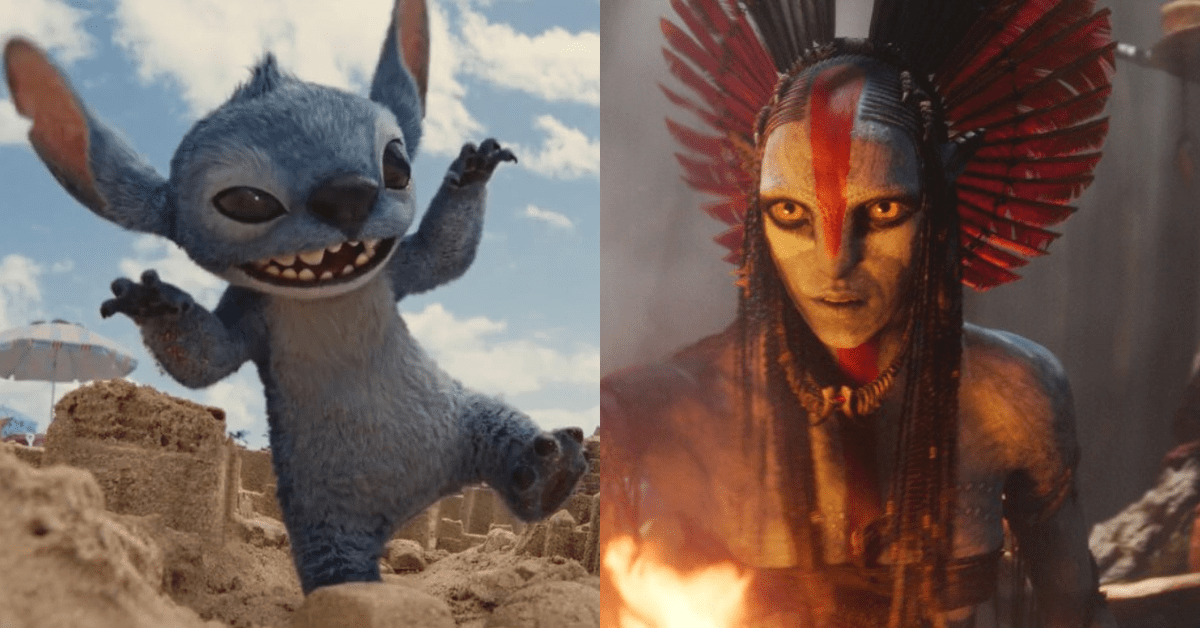
The 2026 slate—Toy Story 5, Avengers: Doomsday, Live-Action Moana, The Devil Wears Prada 2—is not an assault on creativity. It is a mirror. It reflects our own risk-aversion back at us. We have, in effect, commissioned the very landscape we claim to be tired of.
Breaking the Cycle: Is There a Way Out?
So, is there a way out of the paradox? The success stories offer a blueprint.
First, originality must be paired with undeniable scale or a clear, compelling vision that demands the big screen. It must market the experience, not just the story. Second, the industry must re-evaluate the theatrical window for mid-budget films. Could a shorter, 30-day exclusive window for certain originals create more urgency, or further devalue them?
Third, and perhaps most importantly, as audiences, we must confront our own role. If we truly crave a diverse cinematic ecosystem, we must occasionally gamble our $30 on the unknown. We must make the opening weekend for a film like One of Them Days or Marty Supreme a mission, sending a signal that there is a viable market beyond the familiar.
The Receipt for Our Choices
The fatigue is real. But it is a fatigue of our own making. Every time we choose the comforting embrace of the 12th Fast & Furious film over a dazzling original, we vote for the future we claim to dread. The 2025 box office is not just a list of winners and losers; it is a receipt for our collective choices. The 2026 slate is the direct consequence.
The power to change it doesn’t lie in a tweetstorm of complaint, but in the quiet, powerful act of buying a different ticket. The question for 2026 and beyond is: when the next original gem appears, are we willing to pay—truly pay—to see it? Our collective answer will write the next box office chart.