An assessment of the Marvel Cinematic Universe’s tumultuous, transformative, and ultimately necessary journey into television.
Five years ago, on January 15, 2021, something profound shifted in the pop culture landscape. It wasn’t a new Iron Man suit or a cosmic snap, but a broadcast of static. WandaVision premiered, and with its eerie sitcom pastiche, it didn’t just introduce the Multiverse Saga; it announced the Marvel Cinematic Universe’s audacious, all-consuming ambition to conquer television. This was not the adjacent, “it’s complicated” storytelling of Agents of S.H.I.E.L.D. or the street-level grit of Netflix’s Defenders saga. This was the core MCU, in weekly chapters, demanding our attention between blockbuster films.
Half a decade later, as we stand on the precipice of Avengers: Doomsday and the end of this chaotic saga, we must ask: Has this great television experiment worked? The answer is not a simple yes or no, but a messy, revealing “sort of.” The MCU’s TV excursion has been a turbulent, costly, and often frustrating learning curve, but one that has—belatedly and painfully—forced the franchise to evolve. In many ways, television has been the crucible that exposed the MCU’s deepest flaws, and the anvil upon which its future must be forged.
The Visionary Highs and the Formulaic Lows
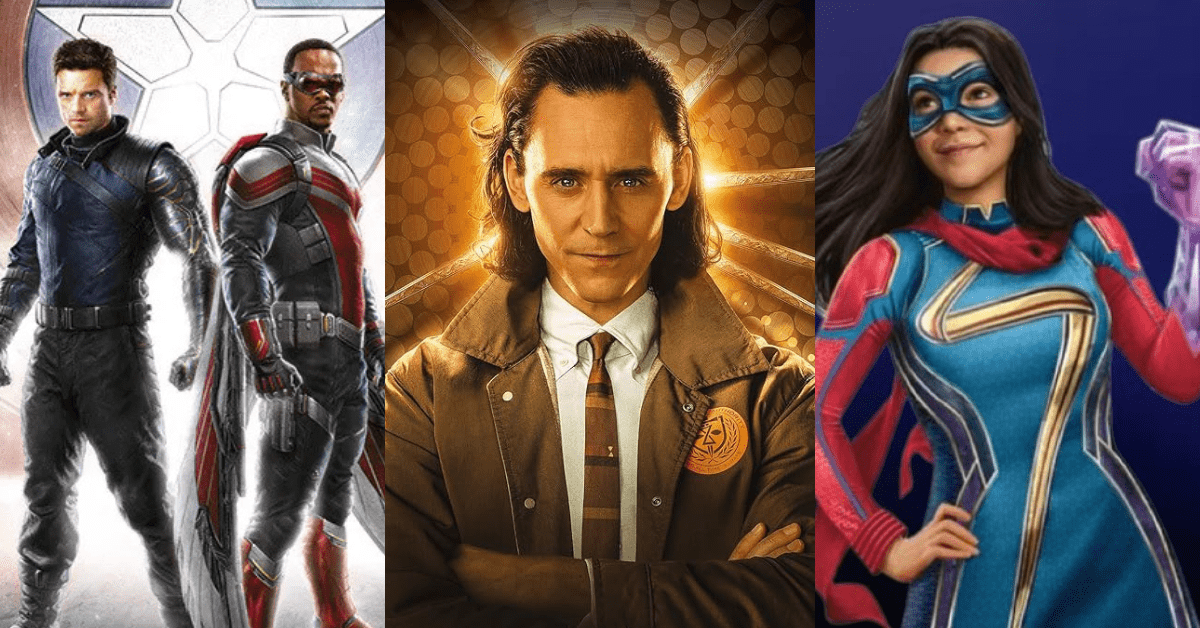
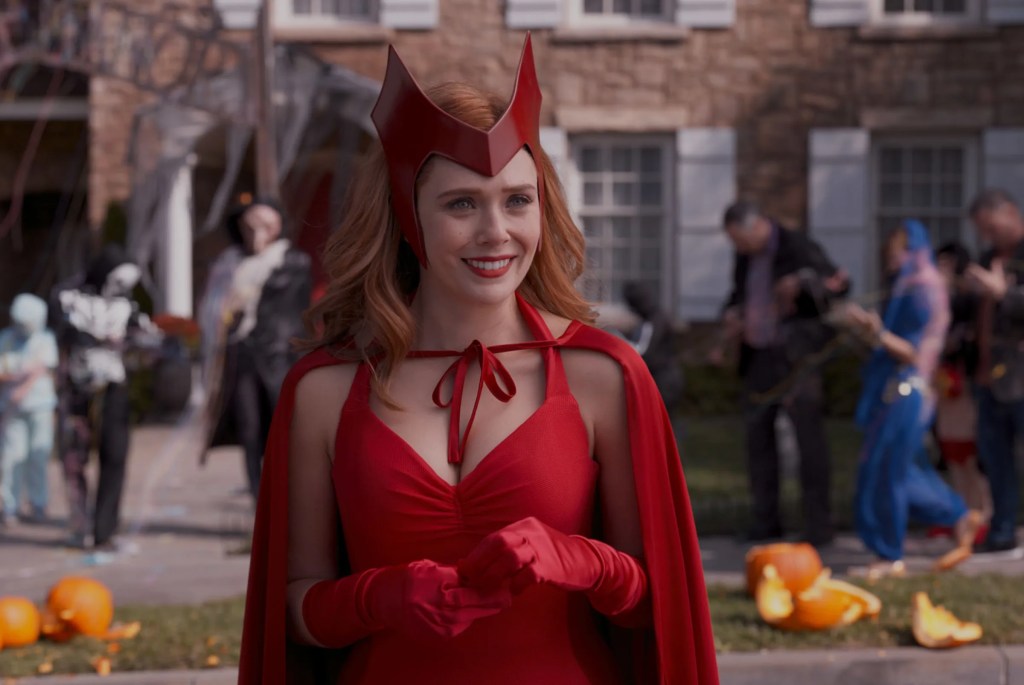
The experiment began with its greatest success. WandaVision was a masterstroke, a show that could only work as a series. Its weekly mystery, its deep dive into grief through the language of television history, and Elizabeth Olsen’s staggering performance created a cultural event. It proved the MCU could be intimate, bizarre, and artistically daring. Loki followed, doubling down on high-concept sci-fi and character deconstruction, becoming the franchise’s most consistent and philosophically interesting show.
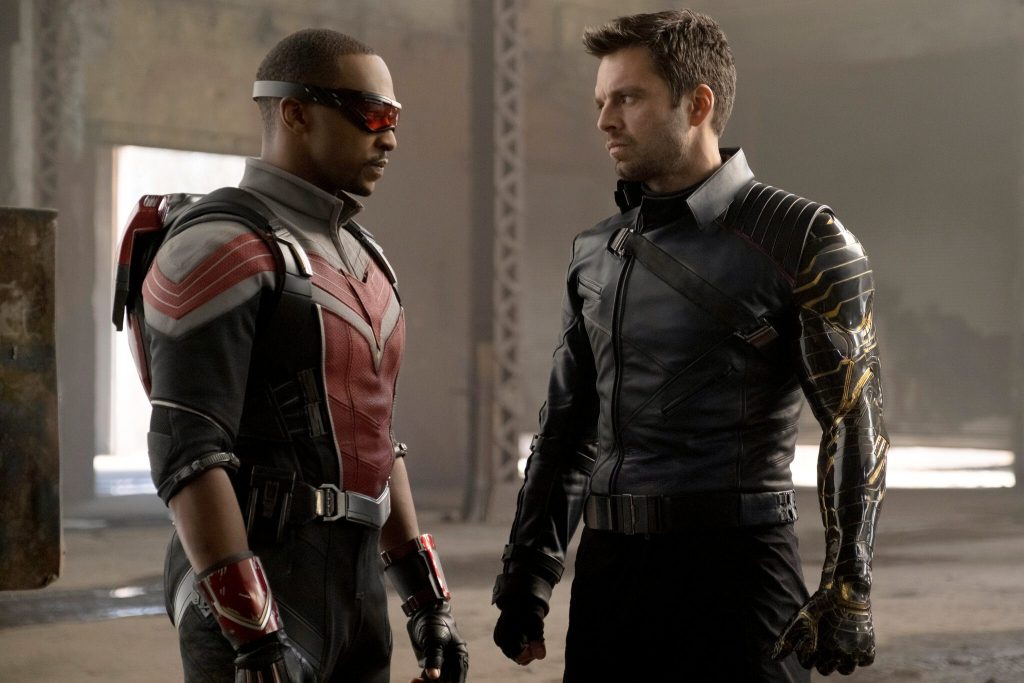
But these peaks highlighted the valleys. For every WandaVision, there was a The Falcon and the Winter Soldier—a movie plot stretched thin over six episodes, burdened with world-building homework for a Captain America sequel that took years to arrive. For every Ms. Marvel with its infectious, specific voice, there was a Secret Invasion, a dismal exercise in cynical, lifeless “prestige” TV that spectacularly failed on its own terms.
The core problem became glaringly obvious: for years, Marvel Studios didn’t want to make TV shows. It wanted to make long movies, arbitrarily sliced into chapters. Shows like Moon Knight and Hawkeye often felt like 5-hour films edited into a bingeable format, lacking the rhythmic pacing, subplot depth, and character-centric exploration that define great television. They were extensions of the cinematic universe’s homework, making “keeping up with the MCU” feel less like a joy and more like a mandatory seminar.
The Medium is the Message (And Marvel Missed It)
The most damning critique of the MCU’s early TV era is how often it got the format wrong. The Falcon and the Winter Soldier, with its geopolitical thriller plot, begged for the scale and runtime of a film. Conversely, Eternals, with its sprawling, millennia-spanning family drama and ten main characters, would have thrived as a slow-burn, patient TV series where its ideas could breathe. Marvel approached the schedule with a factory output model, forcing square narratives into round holes based on release slots, not creative necessity.
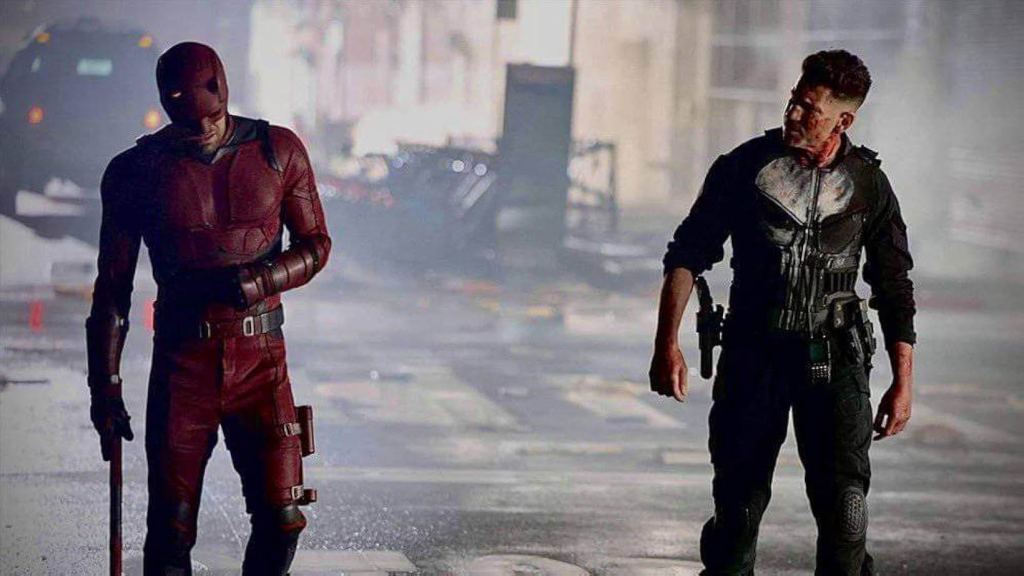
This dissonance culminated in the very public creative crisis of Daredevil: Born Again. Originally conceived as a legal procedural with little connection to its Netflix predecessor, reports of a creative overhaul confirmed the worst suspicions: Marvel’s TV division was struggling to understand the medium’s fundamentals. The pivot to embrace that show’s history and retool it with showrunners who understood serialized drama was the first sign of real, painful learning.
The Glimmer of Hope: Embracing Television
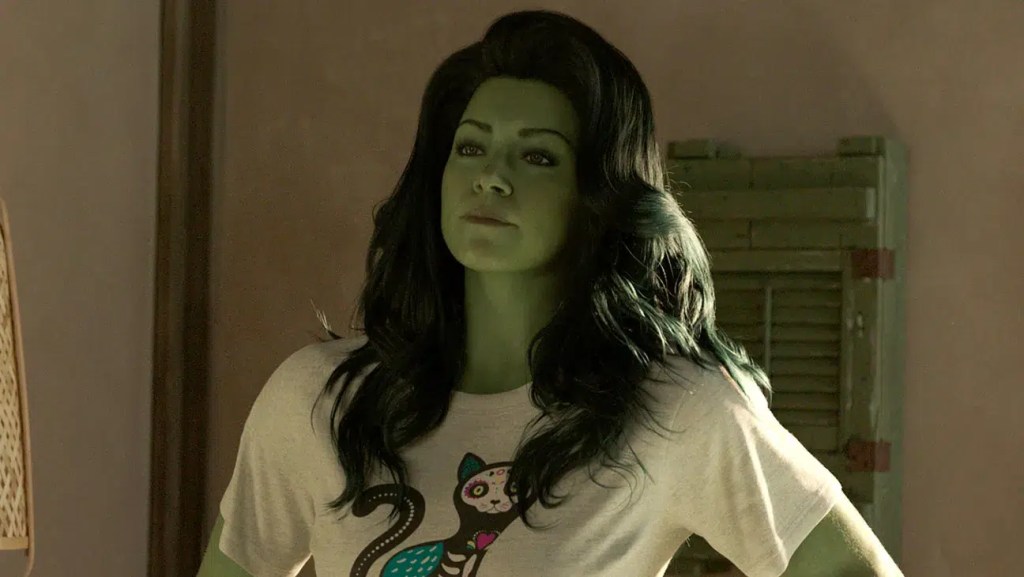
Despite the missteps, the last five years have not been a total loss. They have been a brutally expensive and public education. The success of She-Hulk: Attorney at Law—a true sitcom that broke the fourth wall, embraced case-of-the-week structures, and reveled in its TV-ness—was a sign of life. It was messy and divisive, but it was authentically a show.
Furthermore, the animated side of Marvel Television has quietly been a success story. What If…? and Your Friendly Neighborhood Spider-Man (and the upcoming Marvel Zombies) operate with a clarity of purpose. They are not pretending to be films. They are animated series, playing to the strengths of that medium with stylistic flair and creative freedom often absent in the live-action slate. They prove that when Marvel lets a project exist within its chosen format, rather than as a cog in a larger machine, good things can happen.
The path forward, hinted at with the Born Again reboot and projects like Strange Academy, must follow this hard-won lesson. The MCU can no longer force television to conform to a cinematic assembly line. It must look to the TV landscape it sought to dominate. It must learn from series like HBO’s The Pitt—a show that succeeds not through universe-building, but through sheer competency, compelling weekly stories, and deep character work rooted in its medical drama genre.
The Verdict: A Necessary Failure on the Road to Maturity
So, has the MCU’s TV excursion worked? As a straight business venture to boost Disney+ subscriptions, undoubtedly. As a consistent deliverer of quality television? Absolutely not.
But as a necessary, transformative failure for the world’s biggest franchise? Yes.Loki
The last five years of TV have been the MCU’s painful adolescence. It has stumbled, overreached, and faced humbling backlash. It tried to translate its cinematic formula directly to a new medium and learned, the hard way, that it doesn’t work. Television has exposed the bloat, the formula, and the creative fatigue that movies could sometimes gloss over with spectacle.
The experiment’s success will not be judged by WandaVision or Loki, but by what comes next. Does Marvel have the humility to let its TV division actually make television—with showrunners, seasonal arcs, and maybe even conclusions that don’t just serve as trailers for the next film? The upcoming slate of projects is the real test. The five-year war of attrition between the cinematic universe and the television medium must end in a truce, with television allowed to be television.
The first five years were about expansion at all costs. The next five must be about maturation, quality, and respect—for the medium, for the audience, and for the stories themselves. The multiverse may be infinite, but our patience is not.