
Sydney Sweeney’s career trajectory last year felt like a champion’s rise.
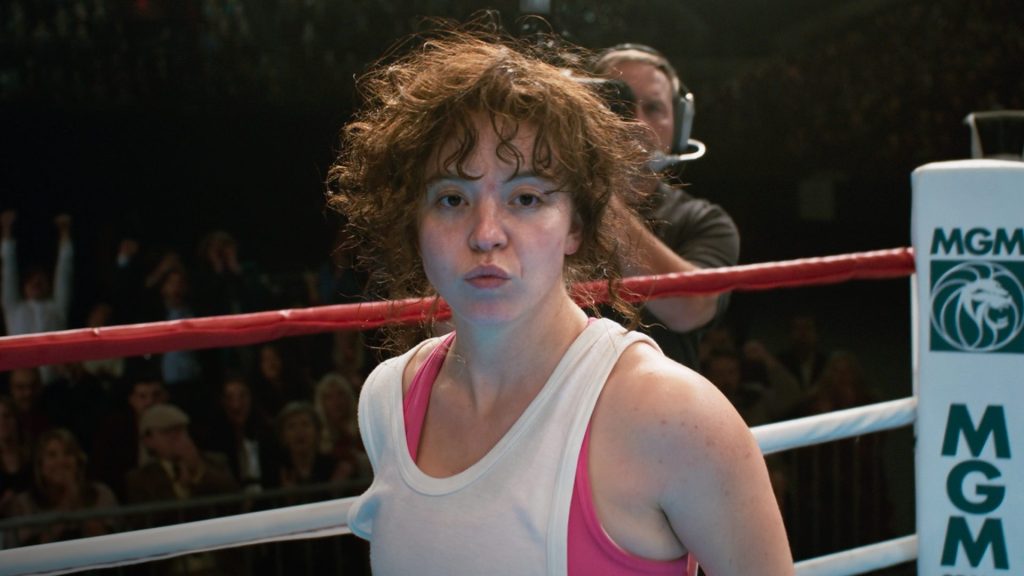
The Euphoria star successfully pivoted to film, delivering a one-two punch with the surprise rom-com hit Anyone But You ($219 million globally) and the critically praised horror Immaculate. She was an industry darling, a producer with a Midas touch, and a star on the ascent. Cut to this weekend, and her latest film, the boxing biopic Christy, has landed with a thud so quiet you could hear a pin drop in a thousand empty theaters.
With an estimated $1.3 million opening from over 2,000 locations, it’s not just a disappointment; it’s a full-blown flop. Her third in a row in fact. The question isn’t just what went wrong with the movie, but how Sweeney’s own off-screen brand management may have systematically alienated the very audience that would have been her core support for a film like this.
Let’s be clear: Christy was always a tough sell. A gritty biopic about lesbian boxing pioneer Christy Martin isn’t A Minecraft Movie. It’s an indie drama targeting a specific, discerning audience—the kind that appreciates nuanced performances and LGBTQ+ stories. These viewers are often the backbone of awards season buzz and sustained word-of-mouth campaigns. They are also, crucially, an audience deeply attuned to social context and the ethical stances, or lack thereof, of the artists they support.
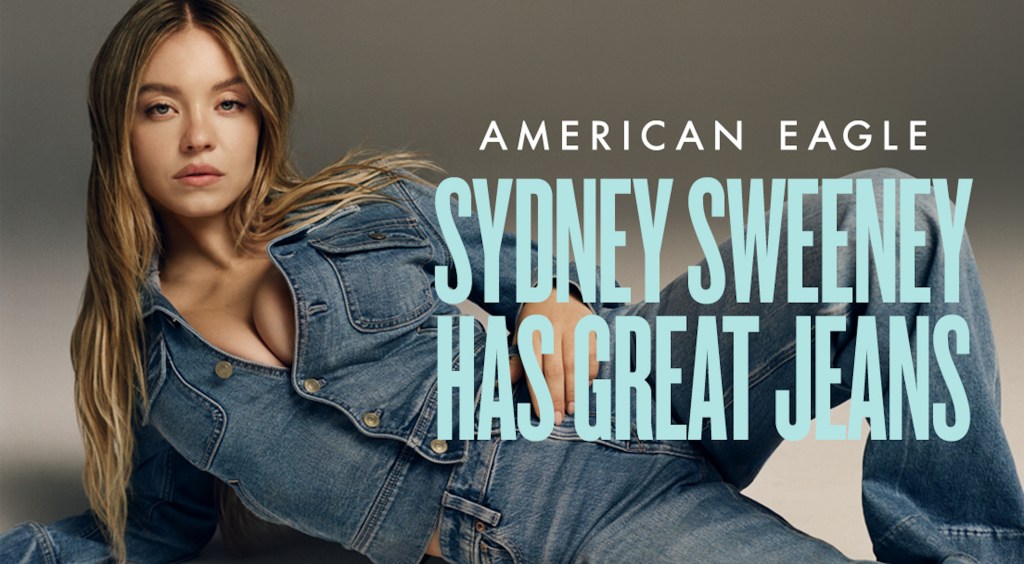
This is where Sweeney’s recent choices become impossible to ignore. The controversy surrounding her American Eagle jeans campaign was dismissed by many as “faux outrage,” but that dismissal is a privilege afforded to those who choose not to see the subtext. The ad’s tagline, “Sydney Sweeney Has Great Jeans,” was a deliberate double entendre. When paired with Sweeney’s archetypically blonde, blue-eyed appearance, the subliminal message—whether she was aware of it or not—echoed the insidious language of eugenics and white supremacy. To argue this is a stretch is to ignore how marketing works; it’s all about association and suggestion. The campaign weaponized her “all-American” look in a way that felt, to many, deeply unsettling and racially coded.
The truly disappointing part, however, wasn’t just the ad—it was Sweeney’s response. In a recent GQ interview, she was given a chance to address the firestorm. Instead of demonstrating any understanding of why the ad caused hurt, she retreated into a posture of blithe indifference. “I know who I am… I don’t really let other people define who I am,” she said, reducing a complex conversation about racial dog whistles in media to a simple matter of personal feelings. She expressed more surprise that Donald Trump defended her than concern over the message itself. This wasn’t just missing the point; it was a conscious decision to sidestep accountability.
In doing so, she created a perfect storm of alienation. The audience that shows up for an artistic biopic about a lesbian icon is, by and large, an audience that cares about social consciousness. They are the viewers who dissect subtext, who hold creators accountable, and who vote with their wallets. When Sweeney championed an ad with troubling undertones and then shrugged off the valid criticism, she sent a clear message: your concerns are not my concerns. She isolated the politically engaged, culturally aware demographic that forms the bedrock of support for films like Christy.
So, when the time came to support her “phenomenal” performance in a film that should have been a crowning achievement of her dramatic chops, that audience was already gone. Why would they spend $15 to watch Sydney Sweeney portray a trailblazing lesbian when she’s recently shown a dismissive attitude toward a community sensitive to coded language and historical prejudice? The trust was broken. The art could no longer be separated from the artist’s commercial choices and their subsequent defense.
The narrative that audiences are simply waiting for streaming doesn’t fully explain this level of box office catastrophe. A film with a compelling hook and a loyal fanbase can still find a modest theatrical audience. Christy didn’t just fail to find a mass audience; it failed to connect with its natural audience. Sweeney’s brand, once defined by girl-next-door charm and producer savvy, is now tangled in controversies over insensitive ads and gimmicky bathwater soap. This has created a dissonance that her compelling performance in Christy simply couldn’t overcome.
Sydney Sweeney may know who she is, but in the wake of the American Eagle controversy and the stunning failure of Christy, she’s learning a hard lesson about the modern moviegoing landscape: if you alienate the core audience for your art-house projects, no amount of “great genes” can save you from an empty theater.