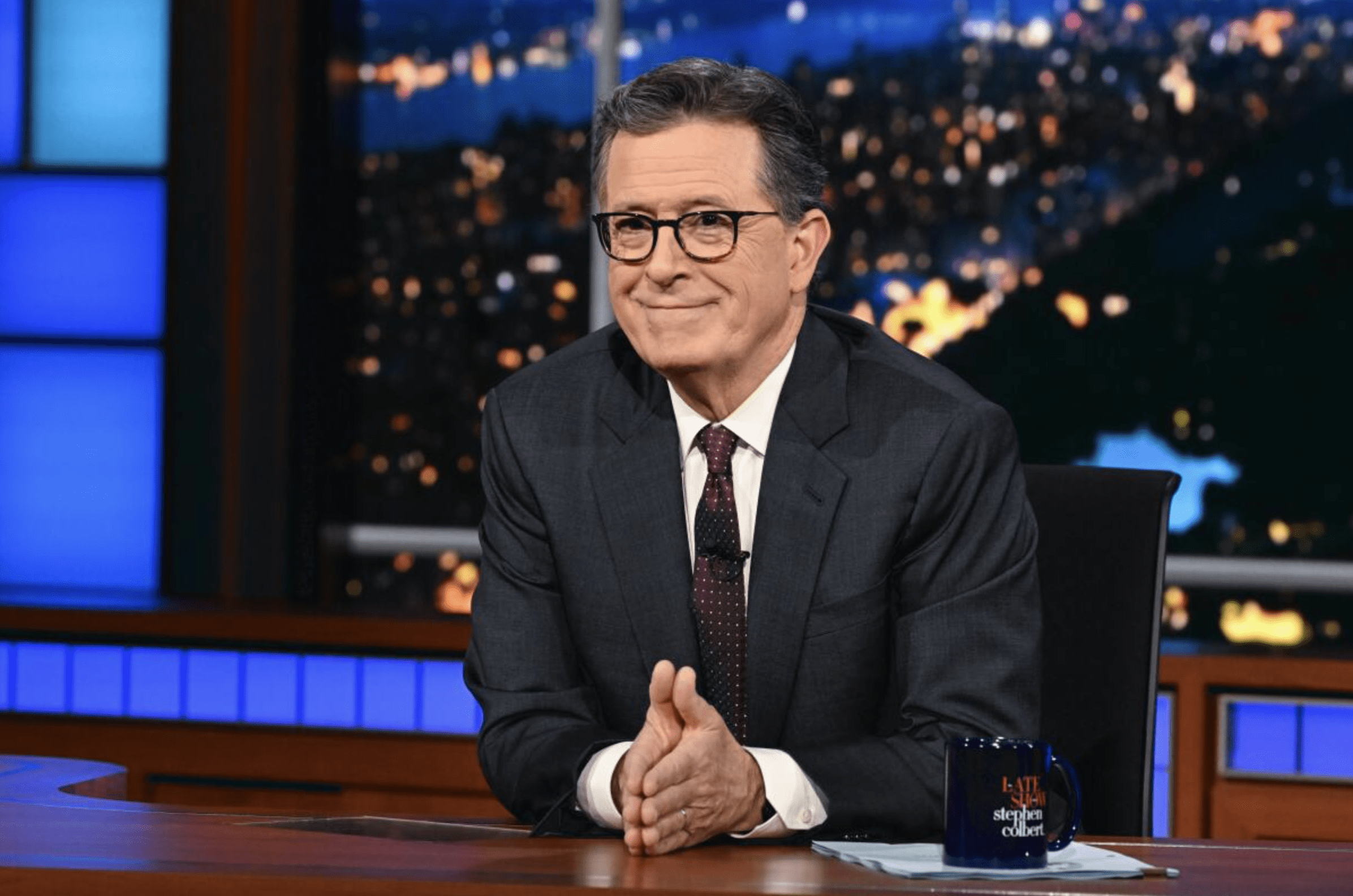
When speaking truth to power becomes too expensive for corporate comfort
In what may go down as one of the most chilling examples of corporate capitulation to political pressure in modern television history, CBS’s decision to cancel “The Late Show with Stephen Colbert” appears to be a direct retaliation for the host’s fearless criticism of his own network’s submission to Donald Trump.
The timeline is as damning as it is swift: On July 2nd, Paramount agreed to pay Trump $16 million to settle what legal experts widely regarded as a frivolous lawsuit over a “60 Minutes” interview. On July 15th, Colbert did what he’s always done best—he told the truth, calling the settlement a “big fat bribe” designed to curry favor with the incoming Trump administration for merger approval. Less than 48 hours later, his decade-long run as America’s most-watched late-night host was over.
The Host Who Refused to Bow Down
For ten years, Stephen Colbert has been the gold standard of late-night television. Under his stewardship, “The Late Show” achieved something that hadn’t happened since David Letterman’s heyday in 1993—it consistently beat NBC’s “Tonight Show” in the ratings. The program captured 29% of all advertising dollars spent on broadcast late-night shows in 2024, generating $70.2 million in revenue while entertaining millions across television, streaming, and social media.
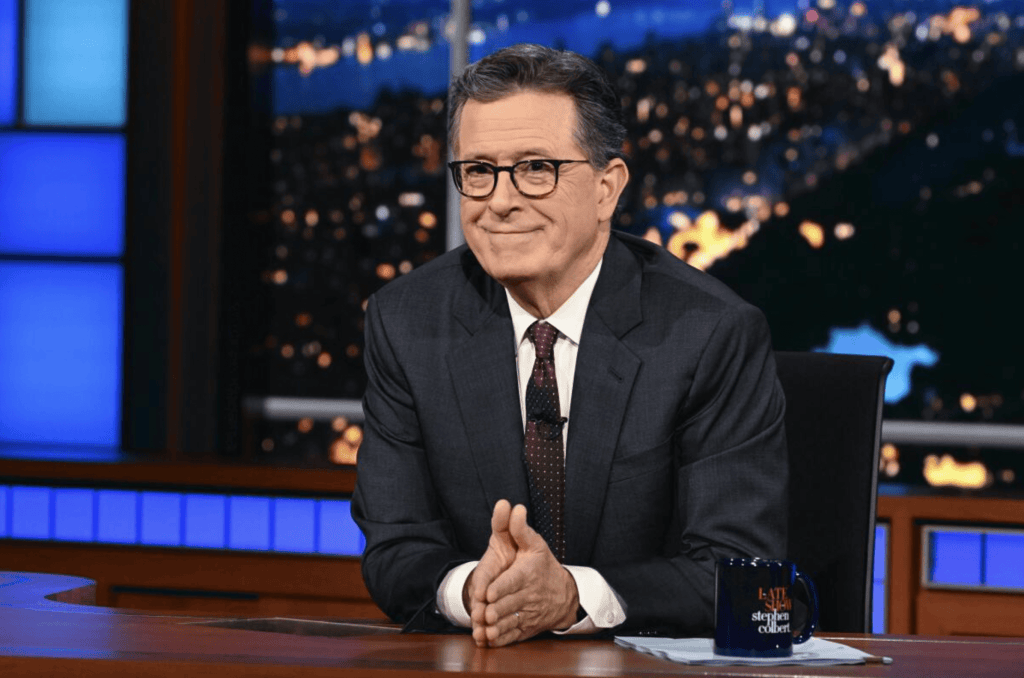
But Colbert’s real crime, it seems, wasn’t poor ratings or financial underperformance. His sin was refusing to stay silent when his corporate overlords bent the knee to authoritarian pressure. While other hosts played it safe with celebrity interviews and viral games, Colbert wielded his platform like a sword of truth, consistently calling out the lies, corruption, and authoritarianism of the Trump era.
A Pattern of Corporate Cowardice
The cancellation comes against a backdrop that should terrify anyone who values free speech and independent journalism. Trump’s relentless assault on media organizations—through lawsuits against CBS and ABC, threats against critical coverage, and the proposed defunding of PBS and NPR—has created a climate of fear in corporate boardrooms across America.
Paramount’s $16 million settlement wasn’t just a payment; it was a surrender. As the Writers Guild of America pointedly noted, it was “capitulation to President Trump” that sent a clear message: criticism will be costly, compliance will be rewarded.
The network’s excuse of “financial performance” rings hollow when examining the facts. “The Late Show” was performing first in its timeslot and remained one of CBS’s most successful programs. If financial performance were truly the issue, why not address it during the industry’s annual “upfront” ad sales market in May, when such moves could actually generate additional advertising support?
The Real Cost of Silence
CBS executives may think they’re making a smart business decision, but they’re actually destroying something far more valuable than advertising revenue—they’re dismantling the very foundation of what made late-night television culturally relevant. Shows like “The Late Show” don’t just entertain; they serve as a crucial check on power, a place where uncomfortable truths can be spoken with humor and intelligence.
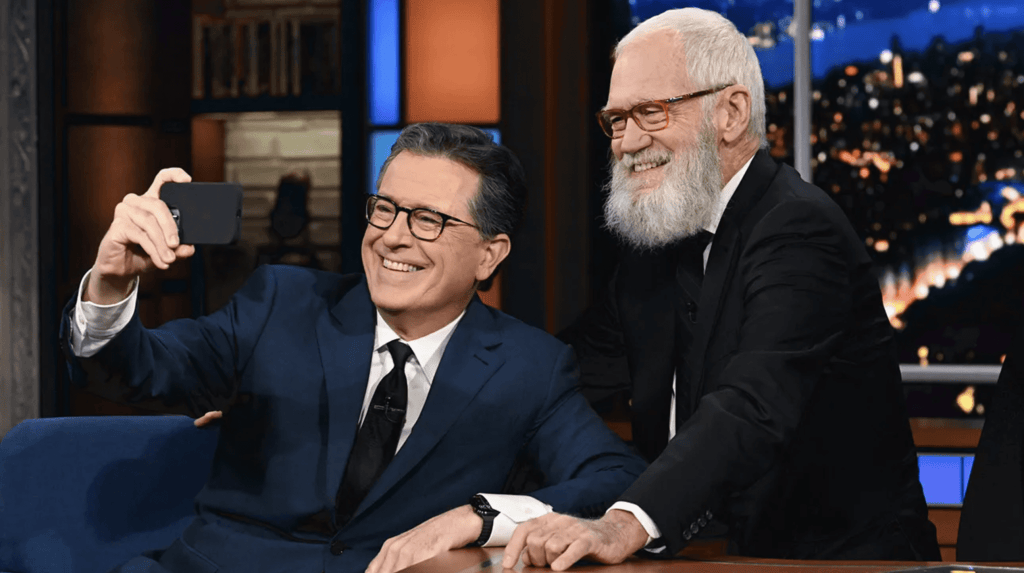
The network claims its relationship with Colbert “remained strong,” but actions speak louder than corporate PR. When your host calls out a questionable decision and you respond by canceling his show within 48 hours, you’re sending an unmistakable message about what kind of loyalty you value most.
A Dangerous Precedent
The implications extend far beyond one television show. If corporations can be pressured into silencing their most successful voices simply for speaking uncomfortable truths, what does that say about the state of American media? The Writers Guild’s call for investigation by New York State Attorney General Letitia James isn’t hyperbole—it’s a necessary response to what appears to be a coordinated effort to chill free speech through economic intimidation.
This isn’t just about Stephen Colbert losing his job; it’s about the systematic erosion of the media’s ability to hold power accountable. When late-night hosts—traditionally given wide latitude for political commentary—can be canceled for criticizing their own networks’ political calculations, we’ve crossed a dangerous line.
The Fight for Free Speech Continues
Colbert may be losing his platform, but his courage in calling out the “big fat bribe” will be remembered as a defining moment in the struggle between corporate interests and journalistic integrity. His willingness to speak truth to power, even when that power controlled his paycheck, exemplifies the kind of principled journalism America desperately needs.
The Writers Guild has promised to “explore all potential legal and political avenues” to fight this decision, and they should. This isn’t just about protecting one host or one show—it’s about preserving the fundamental right to criticize those in power without fear of economic retaliation.
As we watch other late-night hosts and media figures grapple with this new reality, the question becomes: Will they learn from Colbert’s example and continue speaking truth to power, or will they take the hint and fall in line? The answer may well determine whether American media retains any independence at all in the Trump era.
Stephen Colbert may be leaving “The Late Show,” but his legacy as a host who refused to be silenced will endure long after the corporate cowards who canceled him are forgotten. In a time when courage is in short supply, he showed us what it looks like to stand up for what’s right, regardless of the cost.
The Late Show with Stephen Colbert will end its run in May 2025, but the fight for free speech it represents must continue.