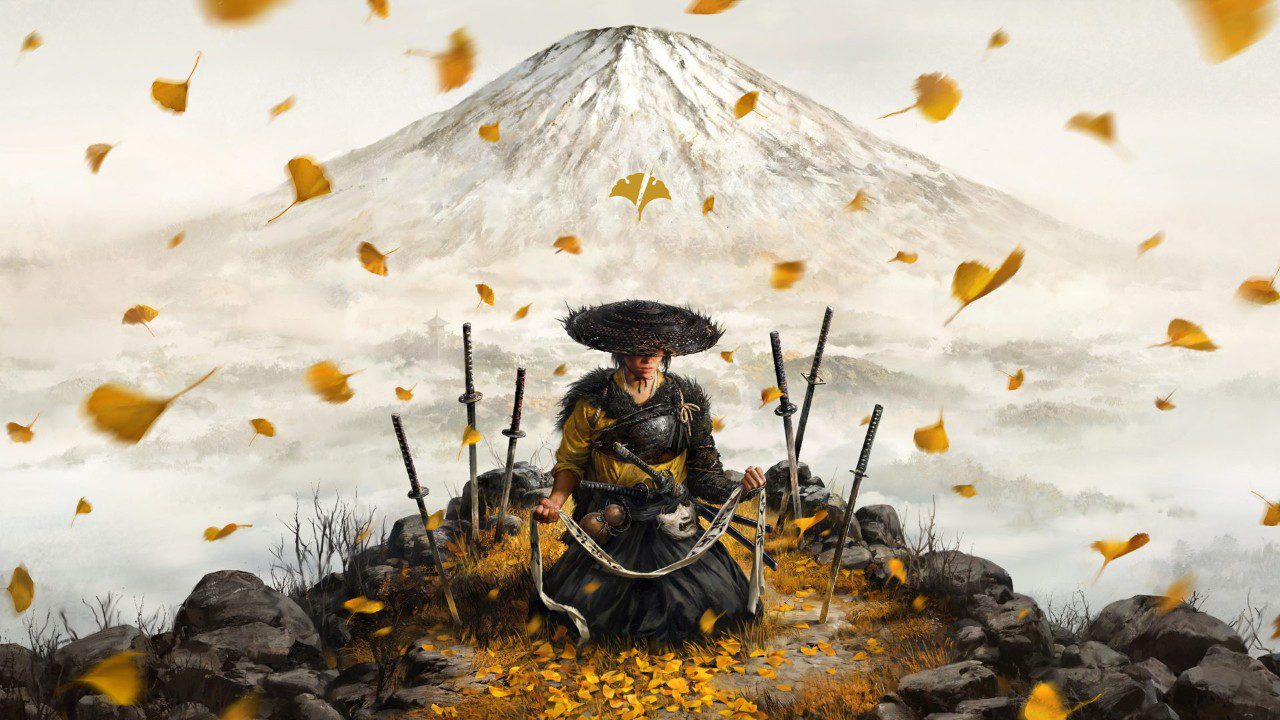
Sucker Punch has returned with a sequel that understands what makes a great follow-up: refining excellence rather than reinventing the wheel. Ghost of Yotei may not revolutionize open-world gaming, but it delivers one of the most fluid and satisfying combat experiences in recent memory, wrapped in a visually stunning revenge tale set in 1600s Ezo.
A New Protagonist Brings Fresh Energy
The shift from Jin Sakai to Atsu as protagonist proves transformative. Where Tsushima’s hero served the story adequately but lacked distinctive personality, Atsu blazes across the screen with fiery determination and rough edges that feel genuinely human. Voice actor Erika Ishii brings authenticity to a character defined by stubborn bloodlust and moral complexity—traits that make her journey far more compelling than the romanticized samurai ideal.
Atsu’s revenge quest targets the Yotei Six, outlaw samurai led by Lord Saito who murdered her family years earlier. While the revenge plot follows familiar beats and occasionally frustrates with convenient escapes during key moments, the emotional investment remains strong. Supporting characters like the wise Oyuki and Atsu’s musically-inclined mother add welcome depth, exploring themes of justice, family, and the price of vengeance across a 30-hour campaign.
Combat That Commands Your Full Attention
What truly distinguishes Ghost of Yotei is combat so satisfying that clearing optional content becomes genuinely exciting rather than obligatory. The game abandons lock-on mechanics in favor of natural-feeling encounters, complemented by weapon-switching that creates strategic rock-paper-scissors dynamics against enemy types.
Atsu wields an expanded arsenal compared to Jin’s stance-based katana system: traditional swords, chained sickles (kusarigama), spears, dual-katanas, and heavy odachi blades each offer distinct advantages. The kusarigama stands out particularly, allowing shield breaks, crowd control swings, and Scorpion-style ranged assassinations that never get old.
Period-appropriate firearms add explosive punctuation to battles. Muskets deliver armor-piercing devastation despite lengthy reloads, while flintlock pistols provide staggering power at close range. Combined with smoke bombs, flame attachments, and blinding dust, the tactical options create endlessly engaging encounters whether facing entire battalions or deadly one-on-one duels.
The Art of the Perfect Parry
Dueling becomes addictive through precise parry-and-counter mechanics that reward perfect timing with devastating effectiveness. Blue-glinted attacks trigger reflexive responses—seeing that indicator means locking in completely. The risk-reward escalates with armor choices like the Bounty Master set, which removes normal parries while expanding perfect parry windows for those seeking ultimate challenge.
Standoffs return with their tension-filled sword draws, allowing instant kills through timing-based Iai strikes before chaos erupts. These moments capture the essence of samurai cinema, making every major encounter feel like a carefully choreographed duel from an Akira Kurosawa classic.
Stealth as Setup, Not Requirement
Stealth mechanics remain functional but familiar—tall grass, distracted enemies, aerial assassinations. However, Yotei wisely never forces prolonged stealth sequences. Getting detected simply transitions into the game’s strongest element: combat. This design choice acknowledges what players actually want to do, making stealth feel like strategic setup rather than tedious requirement.
A World Worth Exploring
Ezo’s biodiversity surpasses Tsushima’s landscapes, offering lush plains, snow-capped mountains, and vibrant forests that beg for screenshot captures. Photo mode conveniently maps to the D-pad for constant use, because the Kurosawa-inspired cinematography demands documentation. Letterboxed horseback rides across flower-filled fields create moments of pure cinematic beauty.
The map design shows admirable restraint, avoiding overwhelming icon clusters while maintaining discovery through organic navigation. Wind mechanics guide you toward objectives by swiping the touchpad, while shamisen songs learned throughout the journey help locate collectibles and hot springs. This approach respects player attention without sacrificing completionist goals.
Progression Through Exploration
Skill progression abandons traditional experience points, tying advancement to shrine discovery and sidequest completion. This system makes optional content genuinely meaningful—powerful techniques, effective charm perks, and specialized armor sets reward thorough exploration. Some players may chafe at locking significant abilities behind optional activities, but the approach ultimately motivates engagement with Yotei’s strongest mechanics.
Sidequests frequently surprise with unexpected duels, chaotic battles, and supernatural mysteries. Cultural appreciation shines through respectful inclusion of indigenous Ainu traditions, adding historical texture to certain storylines. Even a superboss encounter demanding over an hour of attempts enriches the experience for those seeking extreme challenges.
Stylistic Flourishes
Multiple visual modes celebrate cinematic influences: Kurosawa mode returns with black-and-white Japanese audio presentation, while new Takashi Miike style amplifies gore dramatically, and Watanabe mode channels Samurai Champloo’s lo-fi aesthetic. These options demonstrate Sucker Punch’s commitment to artistic expression beyond simple gameplay.
Room for Improvement
The main narrative follows predictable patterns, with targets escaping during cutscenes more frequently than satisfying. While emotional peaks land effectively and clever mid-game twists show narrative ambition, the overall story arc feels safe. Some climbing and platforming sections lean too heavily on Uncharted-style traversal without meaningful variation.
The Verdict
Ghost of Yotei succeeds by perfecting rather than transforming. Combat fluidity reaches exceptional heights through expanded weapons, precise parrying, and strategic depth that keeps encounters fresh across dozens of hours. Atsu elevates the experience as a morally complex protagonist whose personal vendetta feels more grounded than Jin’s honor-bound journey.
The predictable revenge plot serves adequately as framework for exploring gorgeous Ezo landscapes and engaging in supremely satisfying samurai action. Kurosawa’s influence remains strong without feeling stale, applied with artistic intention rather than empty mimicry.
While Ghost of Yotei won’t redefine open-world conventions, it demonstrates mastery of fundamentals that matter most: compelling combat, striking visuals, and respect for player agency. For anyone seeking refined samurai fantasy executed with technical excellence and artistic vision, this sequel delivers magnificently.