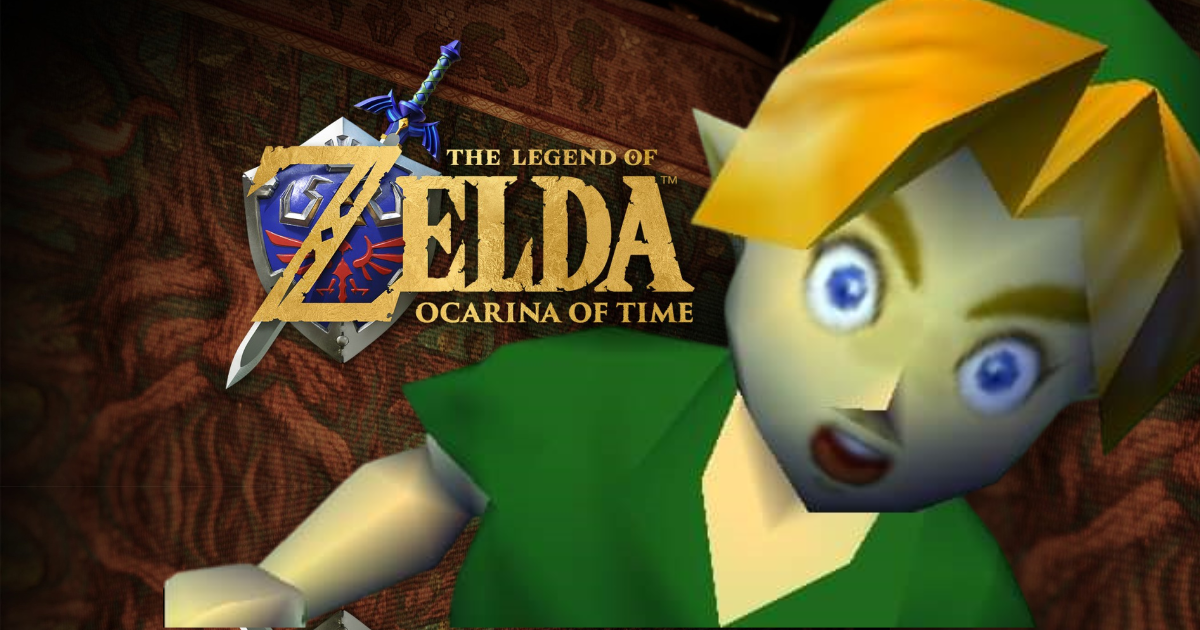
There are moments in gaming history that don’t just shift the landscape—they redefine it. For many of us, that moment was in 1998, when we first stepped onto the sun-drenched, rolling grass of Hyrule Field. The Legend of Zelda: Ocarina of Time didn’t just give us a 3D adventure; it gave us a world that felt alive, a story that felt epic, and a sense of wonder that has never truly left us.
And now, nearly three decades later, the cycle begins anew. It is official: Nintendo has confirmed that Ocarina of Time is being rebuilt from the ground up for the Nintendo Switch 2.
While the announcement trailer offered only a glimpse—a handwoven tapestry fading into that iconic, cozy treehouse—the message was clear: this isn’t just a remaster. This is a rebirth. For the veteran who spent months saving allowance money to buy the original cartridge, and for the ten-year-old who will experience Hyrule for the very first time in 2026, the timing couldn’t be more perfect.
A 40-Year Legacy: Celebrating Zelda’s History
The Legend of Zelda series is celebrating its 40th anniversary in 2026. Since the original NES title launched in 1986, the franchise has been the North Star of Nintendo’s output, pioneering open-world exploration, dungeon design, and narrative pacing that developers are still chasing today.

Ocarina of Time occupies a sacred space within those four decades. It is consistently ranked atop “Greatest Games of All Time” lists because it successfully translated the intricate puzzle-box design of its 2D predecessor, A Link to the Past, into a sprawling, three-dimensional space. It introduced mechanics like Z-targeting that became the industry standard for action-adventure games for the next twenty years. Honoring this legacy with a ground-up remake in the year of the franchise’s 40th anniversary is more than a marketing strategy—it is a fitting tribute to the game that taught us what an epic journey could truly feel like.
The Hardware Hurdle: Why the 3DS Version Isn’t Enough
You might be asking: “We already have a remake—the 2011 version on the 3DS! Why do we need another?”
That question has a practical answer rooted in the changing landscape of hardware. The 2011 remake was a marvel for its time, designed specifically for a dual-screen, low-resolution handheld device. But in 2026, the 3DS is a relic of the past. As original hardware ages and the aftermarket for collector’s items drives prices into the stratosphere, the 2011 remake is becoming increasingly inaccessible to the average player.


Furthermore, you cannot simply “port” a game designed for two screens onto a modern, single-screen device like the Switch 2. The entire interface, the menu management, and the item navigation were built around the physical architecture of the 3DS. To bring Ocarina of Time to modern hardware properly requires an entirely new approach to the game’s core systems. If Nintendo is going to invest the time and engineering resources to rework the game from the ground up, why stop at a port? A full, top-to-bottom remake allows them to modernize everything, from the art style to the navigation, ensuring the game feels as fluid and intuitive as Tears of the Kingdom.
Bridging the Gap: The New Zelda Blueprint
We have entered a new era for The Legend of Zelda. With the massive, open-world success of Breath of the Wild (2017) and Tears of the Kingdom (2023), it is clear that the open-sandbox formula is the new blueprint for mainline entries.
However, this massive scale comes with a cost: development time. We saw a six-year gap between Breath of the Wild and Tears of the Kingdom, and with the complexity involved in creating these modern Zelda sandboxes, a multi-year wait between new entries is likely the new normal. For fans who crave the Zelda experience, this stretch of time can be brutal.
A high-profile Ocarina of Time remake serves as the perfect palate cleanser. It’s a project that leverages an existing, near-perfect blueprint, allowing Nintendo to deliver a massive, high-quality title during the long wait for the next mainline open-world adventure.
The Cinema Connection: A Moment for New Fans
Perhaps the most compelling reason for this timing is the upcoming Legend of Zelda live-action movie, scheduled for release on April 30, 2027. We have seen this strategy work before: Nintendo synchronized Super Mario Galaxy remasters to launch shortly before The Super Mario Bros. Movie. The logic is airtight—kids will walk out of the theater having seen Hyrule, fall in love with the characters, and want to jump into the action themselves.
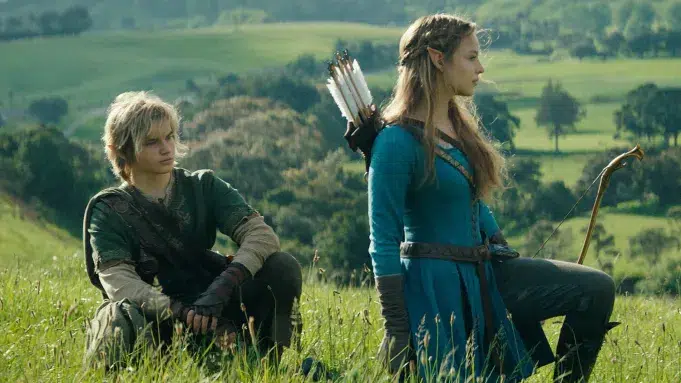
Imagine the excitement of a new generation of fans—kids who haven’t even been born when the original Ocarina launched—walking out of that theater and finding a stunning, modern Ocarina of Time waiting for them on the eShop. It’s an opportunity to bridge the gap between decades, introducing the game that defined the childhood of their parents to a generation that will be seeing it for the very first time.
The High-Stakes Balancing Act
Of course, nostalgia is a double-edged sword. Remaking a classic—especially one as untouchable as Ocarina of Time—is a delicate dance. How much do you change? How much do you leave untouched?
Should the game retain the original’s tight, deliberate scale, or should it expand Hyrule Field to accommodate modern expectations of massive open worlds? Should the notoriously cumbersome Water Temple be further streamlined, or is its complexity an essential part of the Ocarina experience? Nintendo showed with the Majora’s Mask 3DS remake that even well-intentioned changes to boss fights or save mechanics can lead to fan controversy.
Expectations are astronomical, and the legacy of the original is heavy. But even with the risks, the opportunity is too great to ignore.
Looking Forward: A Journey We Can Share
I cannot express how excited I am to experience this all over again. I still remember the magic of exploring Hyrule, the frustration of the Water Temple, and the emotional weight of seeing the world change from the perspective of a child to that of an adult. Getting to share that journey with my daughter—after we recently finished a fantastic playthrough of Twilight Princess—is a memory I am already looking forward to making.
Whether or not this becomes the “definitive” version for the purists, it is undeniably the right version for this moment in time. It is a bridge between the past and the future, a way to keep the magic of Hyrule alive during the long development cycles of the modern era, and a perfect introduction for the next generation of fans.
The stars have aligned. Ocarina of Time is returning, and I’ll be there on day one.
Are you planning to jump back into Hyrule when the remake hits the Switch 2, or are you holding onto your original N64 copy? And how do you think Nintendo should handle the classic mechanics—should they keep them strictly “retro” or modernize them for the new audience? Let us know your thoughts in the comments below!